
Building a greener Botswana isn’t just a noble goal—it’s a massive opportunity for local entrepreneurs to drive innovation, create jobs, and protect our natural resources. As our climate changes and consumers become more eco-conscious, starting a business that addresses environmental challenges is one of the smartest moves you can make today.
Whether you are looking for a small side hustle or a scalable startup, these sustainable business ideas in Botswana are designed to solve local problems like water scarcity, energy dependence, and waste management while remaining profitable.
What is a Sustainable Business in the Botswana Context?
Going green isn’t just about being eco-friendly—it is about “triple-bottom-line” sustainability: Profit, People, and Planet. In Botswana, this means operating in ways that reduce environmental damage, create decent jobs for Batswana, and support long-term economic development.
Defining Green Entrepreneurship Locally
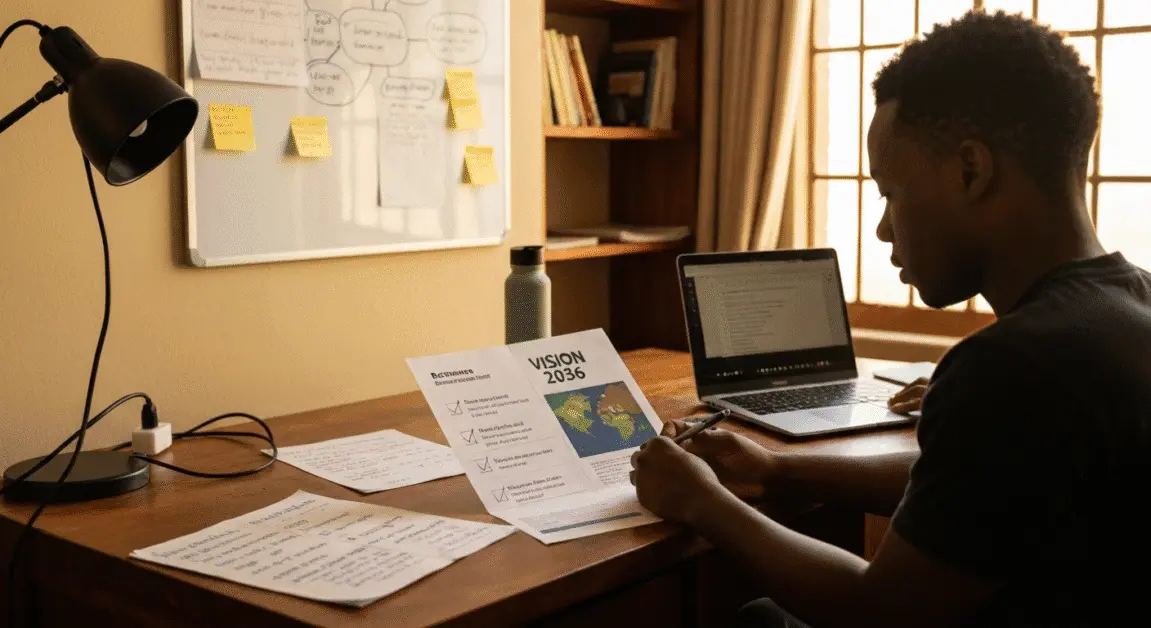
A sustainable business in Botswana addresses national priorities. With our arid climate and reliance on imported energy, green entrepreneurship fills critical gaps. It aligns with Vision 2036, specifically the pillars of sustainable economic development and environmental stewardship.
Why Start a Green Business in Botswana Now?
The demand for eco-friendly solutions is rising from Gaborone to Maun. Here is why you should consider this path:
- Market Demand: More consumers want natural products and reduced plastic. Eco-conscious tourists in the Delta and Chobe expect greener services.
- Cost Savings: Efficient sustainable operations reduce electricity and water bills over time.
- Government Support: Policies promoting renewable energy business opportunities and local manufacturing offer specific incentives for SMEs.
- Risk Mitigation: Green businesses are better prepared for future environmental regulations and carbon taxes.
Top 10 Sustainable Business Ideas in Botswana
Here are viable green business options tailored to our local environment and emerging market needs.
1. Solar Energy Solutions
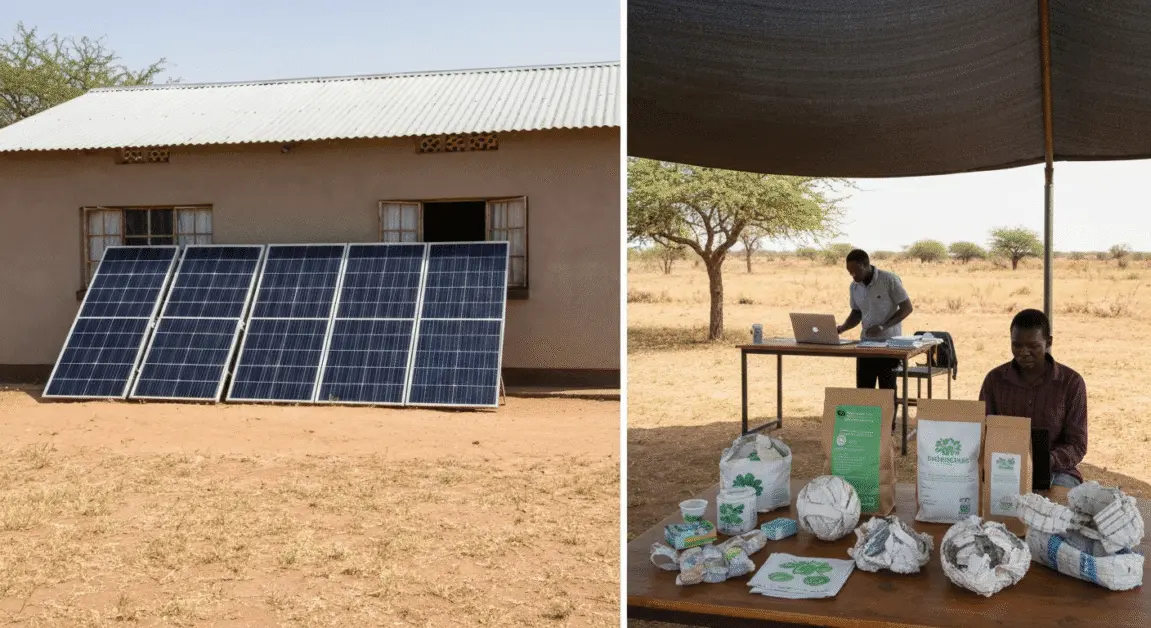
Botswana has over 3,200 hours of sunshine per year. You can start a business providing solar installation for homes, cattleposts (meraka), or farms. Beyond installation, there is a gap in battery maintenance and selling solar-powered appliances like water pumps.
- Potential Costs: P15,000 – P100,000+ (inventory and tools).
- Next Step: Check out our guide on creating a solar energy business plan.
2. Waste Recycling & Upcycling
Instead of letting waste pile up in landfills, you can start a recycling business. This could involve scrap metal collection, plastic pelletizing, or upcycling old tires and pallets into furniture. Many large retailers in Botswana are looking for waste management partners to meet their ESG goals.
3. Organic Farming & Hydroponics
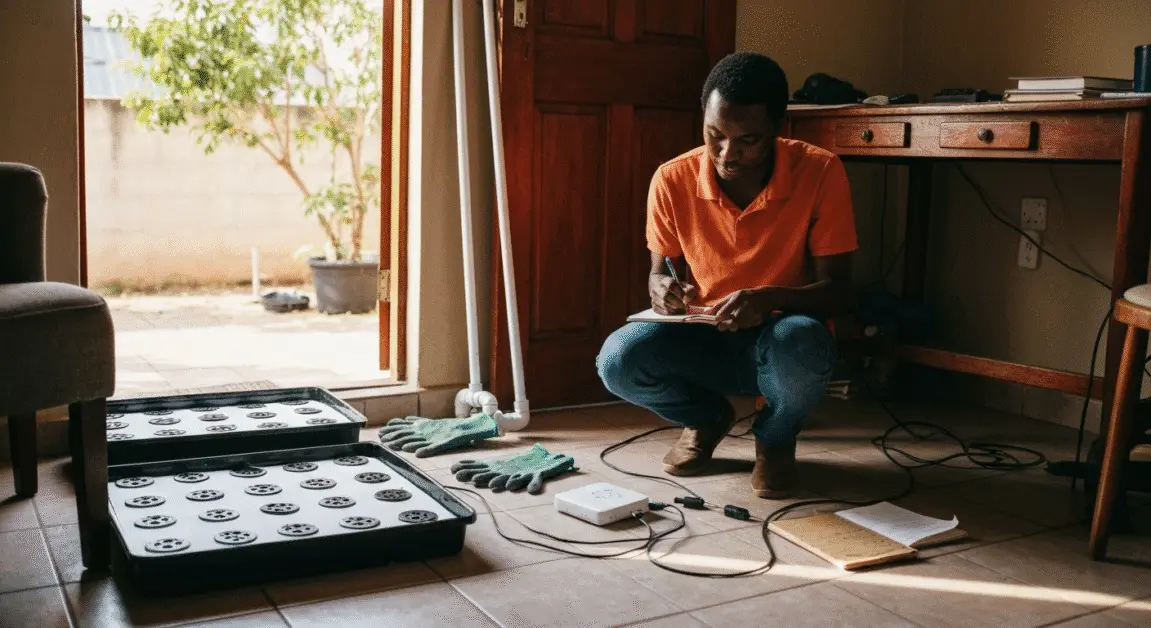
With water being scarce, organic farming using hydroponics or aquaponics is highly efficient. You can supply fresh, pesticide-free vegetables to local supermarkets or directly to households through subscription boxes.
- Local Reality: Focus on leafy greens, herbs, and tomatoes which have high turnover in urban areas like Gaborone and Francistown.
4. Eco-Friendly Retail & Beauty
There is a growing market for natural skincare using indigenous ingredients like Morula oil, Kalahari melon seed oil, and Ximenia. You can start a home-based business making handmade soaps or lotions with biodegradable packaging.
5. Water Conservation Technology
As a water-stressed nation, solutions like greywater recycling systems, rainwater harvesting tanks, and smart irrigation sensors for farmers are in high demand. Providing affordable installation services for these systems can be very profitable.
6. Green Consulting for SMEs
Help other businesses reduce their carbon footprint. You can offer energy audits, waste reduction strategies, or help them get green certifications to attract international investors.
7. Electric Mobility & E-Bikes
While still new, electric scooters and e-bikes for last-mile deliveries in congested areas like Gaborone CBD are gaining interest. You could offer rental services or sales of eco-friendly transport options.
8. Sustainable Tourism & Eco-Lodges
If you have land or access to tourism areas, building low-impact campsites or eco-lodges that use solar power and bio-digesters for waste can attract high-paying international tourists who prioritize conservation.
9. Eco-Friendly Construction Materials
Manufacturing “green bricks” from recycled plastic or compressed earth, or importing eco-friendly insulation, helps developers build more sustainably. This is particularly relevant as the government looks for greener housing solutions.
10. Professional Cleaning with Eco-Products
Many cleaning services use harsh chemicals. Starting a cleaning company that uses only biodegradable, non-toxic products is a great way to differentiate yourself in the market. This is a perfect low-cost business idea for beginners.
How to Launch Your Green Business in Botswana
1. Planning and Compliance
Every successful venture starts with a solid plan. Avoid common business planning mistakes by focusing on your unique environmental value. Register your company through CIPA (OBRS) and ensure you obtain a relevant trading license from your local council. If you handle waste, check with the Department of Waste Management and Pollution Control for specific permits.
2. Funding Your Eco-Business
Green businesses often have access to specialized funding. Look into:
- CEDA: They often have products tailored to agriculture and manufacturing.
- National Environmental Fund (NEF): Look for calls for proposals for community and environmental projects.
- Commercial Banks: Some banks now offer “Green Loans” with slightly better rates for renewable energy projects.
3. Marketing and Local Visibility
Use social media to tell the story of your impact. Showing the “behind the scenes” of how you recycle or farm organically builds trust. To get discovered by local customers, add your business to the Lephutshi directory and use local advertising strategies to reach your community.
Practical Tips for Botswana Entrepreneurs
- Getting Paid: Offer flexible payment options like Orange Money, MyZaka, or eWallet alongside traditional bank transfers to cater to all customer types.
- Logistics: For delivering eco-products, consider using local couriers or Poso Botswana for nationwide reach. For local town deliveries, small-scale independent delivery bikes are often faster.
- Networking: Join local business groups to find partners. You can explore listings on Lephutshi to find potential green suppliers near you.
Final Thoughts
The shift toward sustainability is not just a trend; it is the future of the global economy. By choosing one of these sustainable business ideas in Botswana, you are positioning yourself for long-term growth while making a positive impact on our beautiful country.
Ready to take the next step? If you need a professional website to showcase your green brand, contact Lephutshi Developers. To keep learning, browse our latest business blogs or join a course on Dithutong today.
Recommended Reading
- Botswana Country Climate and Development Report
- Practical Sustainable Practices for Every Business
- Future Trends in Botswana’s Green Economy
FAQ
- What is the most profitable green business in Botswana?
Solar energy installation and sustainable agriculture (hydroponics) are currently among the most profitable due to high demand and clear cost-saving benefits for customers. - How can I get green certification for my business?
You can look into the BOBS (Botswana Bureau of Standards) for quality marks or explore international labels like the SABS Eco-Label. There are also specific certifications for the tourism sector through the Botswana Tourism Organisation (BTO). - Are there grants for eco-friendly startups in Botswana?
Yes, while competitive, organizations like the National Environmental Fund and certain international NGOs offer grants for projects that focus on conservation and waste management. - Does a sustainable business need a special license?
Most green businesses follow standard CIPA registration. However, specific sectors like waste management or large-scale solar power generation require additional permits from relevant government departments or BERA. - Where can I promote my eco-friendly products?
Social media (Facebook and TikTok) is very effective in Botswana. Additionally, listing on Lephutshi helps local customers find your business via search engines.