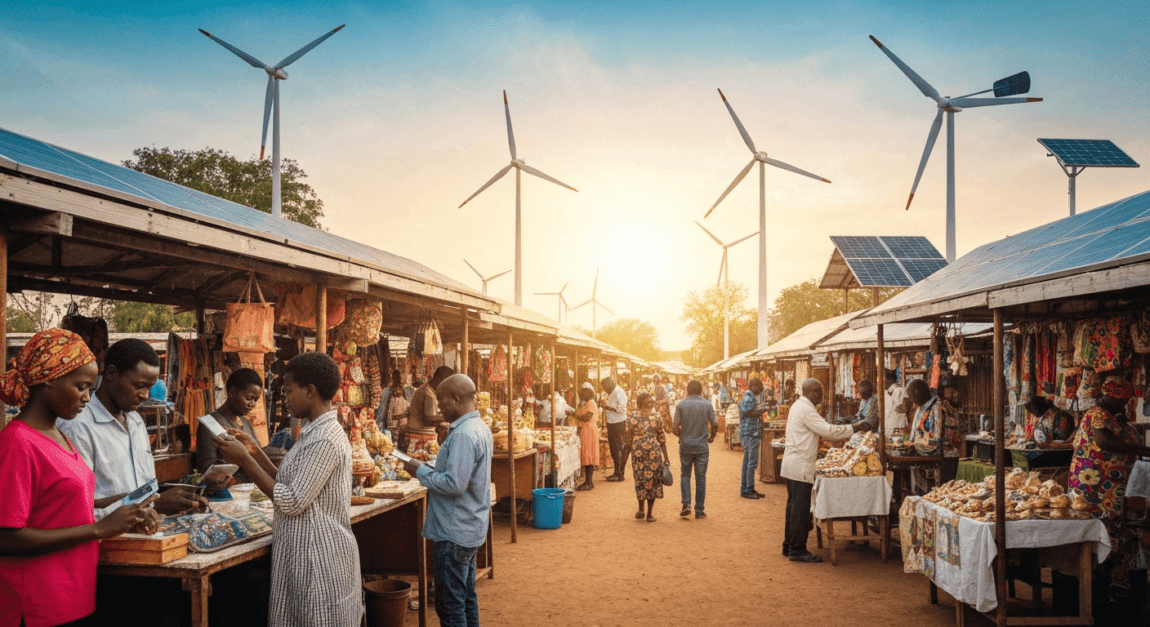
The renewable energy sector is no longer just a global trend; it is a booming reality in Botswana. With over 3,200 hours of sunshine every year and a government mandate to increase green energy usage, the opportunity for local entrepreneurs is massive. Whether you are looking to start a small-scale solar installation firm or a larger bioenergy project, now is the perfect time to explore renewable energy business opportunities in Botswana.
The Renewable Energy Market Outlook in Botswana
Botswana is uniquely positioned to lead the region in sustainable power. The country’s Integrated Resource Plan (IRP) aims to diversify the energy mix, moving away from a heavy reliance on coal and imported electricity. For local SMEs, this means a growing demand for independent power producers, equipment suppliers, and maintenance technicians.
Solar Potential: Our Most Abundant Resource
Botswana holds some of the highest solar radiation levels in the world. This makes solar energy the most accessible entry point for new business owners. The government has set a strategic target for 30% renewable energy by 2030, creating a supportive environment for those who want to start a sustainable business.
Biogas and Wind Energy
While solar is the leader, bioenergy (especially from cattle waste) and wind projects in areas like the Kgalagadi and Central districts offer untapped potential. These sectors are ideal for entrepreneurs looking to solve energy problems for remote farms or industrial sites.
Top Renewable Energy Business Models for Botswana Entrepreneurs
If you are looking for specific ways to enter the market, consider these practical models tailored to the local Botswana context.
1. Solar Panel Installations (Residential and Commercial)

With frequent power outages and rising electricity tariffs, many homeowners and businesses in Gaborone, Francistown, and Maun are looking for off-grid or backup solutions.
- Service: Supply, installation, and maintenance of PV panels, inverters, and lithium batteries.
- Startup Cost Range: P20,000 to P100,000 (depending on initial stock and tools).
- Target Market: Urban households, retail shops, and remote safari lodges.
2. Solar Water Heating Systems
Solar geysers are a high-demand, low-maintenance product. Many new housing developments in Botswana now prioritize solar heating to reduce load on the national grid. This is a great entry-level niche for plumbing or electrical startups.
3. Solar Borehole and Agri-Energy Solutions
Agriculture is the backbone of many Botswana households. Farmers often struggle with the cost of diesel for water pumping. Providing solar-powered borehole kits is one of the most profitable business ideas for small towns and rural areas.
4. Biogas for the Cattle Industry
Botswana’s massive cattle population provides a steady supply of organic waste. Biogas digesters can turn this waste into clean cooking gas and organic fertilizer. This model is highly effective for large-scale feedlots or integrated farms.
How to Launch Your Renewable Energy Business
Starting a green energy startup requires more than just technical skill; it requires a solid business plan and compliance with local authorities.
Step 1: Conduct a Feasibility Study

Before buying stock, assess the demand in your area. Are you focusing on urban rooftops or rural boreholes? Understanding the technical requirements and your local market analysis is crucial for long-term success.
Step 2: Business Registration and Licensing
In Botswana, you must register your company through the Companies and Intellectual Property Authority (CIPA/OBRS). For energy-related activities, you may need to engage with the Botswana Energy Regulatory Authority (BERA) for specific licenses, especially if you plan on generating power for sale or large-scale installations.
Step 3: Securing Funding
Renewable energy projects can be capital-intensive. Fortunately, institutions like CEDA (Citizen Entrepreneurial Development Agency) and the National Development Bank (NDB) often have specific funding windows for “Green Energy” or “Thebe-phatshwa” projects. Be sure to prepare a professional pitch for your CEDA loan application.
Local Reality Check: Operations and Marketing
- Getting Paid: Most SMEs use bank transfers, Orange Money, or MyZaka for deposits. Consider offering payment plans for expensive solar installations to attract more customers.
- Logistics: You will need a reliable bakkie for transporting panels and batteries. For regional deliveries, many businesses use local couriers or bus parcel services to reach remote areas.
- Marketing: Build trust by showing off your work on Facebook and TikTok. Adding your business to Lephutshi helps local customers find your services when they search for renewable energy providers in Botswana.
Government Policies & Incentives
Botswana’s government has introduced the Rooftop Solar Program, which allows domestic and commercial consumers to generate their own electricity and sell the excess back to the Botswana Power Corporation (BPC). This policy is a huge incentive for solar installation businesses.
For further details on national strategy, explore the National Energy Compact for Botswana. You may also want to read about the green certifications and incentives available for local businesses.
Final Thoughts on Botswana’s Renewable Frontier
Botswana is at the start of a green revolution. As technology costs drop and local demand rises, entrepreneurs who position themselves now will be the leaders of tomorrow. Focus on quality components, gain the necessary certifications, and ensure your business is visible to those searching for solutions.
Ready to get discovered? Add your renewable energy business to Lephutshi today. If you need help building a professional website for your green startup, Lephutshi Developers can help you get online. To learn more about the mechanics of starting a company, check our guide on starting a business in Botswana.
Frequently Asked Questions (FAQ)
A small-scale startup can begin with around P20,000 for basic tools and a few demo panels. Larger-scale operations that hold stock of batteries and inverters may require P100,000 or more. Many entrepreneurs start as “installers only” to keep overheads low.
Do I need a license from BERA?
For small residential rooftop installations, you typically don’t need a generation license, but you must follow BPC’s technical grid-tie standards. For large-scale power generation or commercial solar farms, a license from the Botswana Energy Regulatory Authority (BERA) is mandatory.
Which renewable energy business is most profitable in Botswana?
Solar borehole pumps and residential backup systems currently offer the fastest returns due to high demand from the agricultural sector and urban households facing power fluctuations.
Can I get a loan from CEDA for a green energy business?
Yes, CEDA actively funds renewable energy projects that show technical feasibility and a clear market. Having a solid business plan and quotes from reputable suppliers is essential for your application.