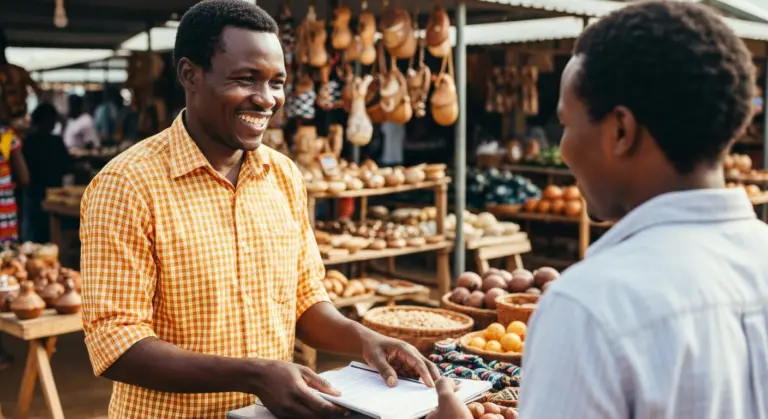

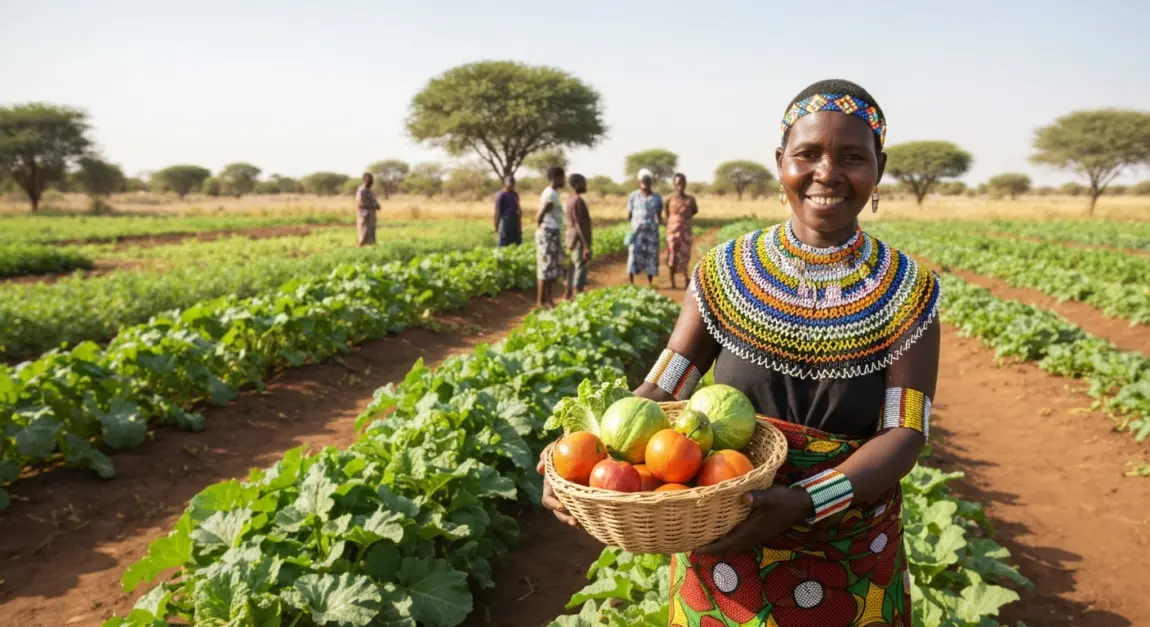
Starting an organic farming or eco-friendly business in Botswana is no longer just a “green” hobby; it is becoming a serious commercial opportunity. As Batswana become more health-conscious and the demand for chemical-free food grows, local entrepreneurs have a unique chance to lead this sustainable shift. Whether you are looking at small-scale horticulture or manufacturing natural products, the potential for growth is significant.
The Rising Demand for Organic & Green Products in Botswana
There is a visible shift in consumer behavior across Gaborone, Francistown, and Maun. More people are looking for the “organic” label in retailers like Choppies or Woolworths, and niche health shops are popping up. This demand is driven by a global awareness of health and the environmental impact of traditional farming and manufacturing.
Understanding Local Consumer Interest

Eco-conscious consumers are not just looking for “natural” labels; they want transparency. Entrepreneurs who can prove their products are free from synthetic pesticides or harmful chemicals can build strong brand loyalty. This trend isn’t limited to food—it extends to skincare, cleaning supplies, and packaging.
Impact on the Botswana Economy
Focusing on sustainable business ideas helps reduce our reliance on food imports. By producing high-quality organic goods locally, we create jobs, improve food security, and keep money circulating within our borders.
Profitable Organic Farming Ventures in Botswana
If you have access to land—whether it is a backyard in a village or a multi-hectare farm—several organic niches are currently underserved in the local market.
1. Organic Vegetable Production
Horticulture is the most direct route into organic farming. Focus on high-demand crops like spinach, kale (chomolia), tomatoes, and peppers. Because organic farming avoids synthetic fertilizers, you will need a reliable source of manure or high-quality compost.
2. Free-Range and Organic Poultry
There is a massive market for “Morogo wa Maotwana” (traditional chicken) and organic eggs. These birds are raised without routine antibiotics and are fed organic grains. While growth is slower than commercial broilers, the price per bird is often significantly higher.
3. Aquaponics and Hydroponics
Given Botswana’s water challenges, aquaponics (combining fish farming with plant growth) is an excellent way to produce both organic tilapia and leafy greens with minimal water waste. It is a high-tech but highly efficient way to manage a winning business idea in semi-arid conditions.
The Power of Indigenous Crops: Marula and Beyond

Crops that are naturally adapted to our climate, like Marula, Moringa, and Mogongo, are “superfoods” that require less water and no chemicals to thrive. Processing these into oils or dried powders can open doors to international markets. For instance, Botswana has already seen success exporting Moringa to Germany.
Eco-Friendly Product Business Ideas
Beyond farming, the manufacturing of eco-friendly alternatives to everyday items is a wide-open market.
Natural Cosmetics and Green Cleaning
Many household cleaners and soaps contain chemicals that are harsh on the skin and the environment. You can start a business producing soaps using beef tallow (fat), marula oil, or aloe vera. Similarly, green cleaning products made from vinegar, lemon, and baking soda are gaining traction among health-conscious families.
Biodegradable Packaging
With the government’s push to reduce plastic waste, there is a huge opportunity in supplying biodegradable bags, paper straws, and cardboard food containers to local restaurants and retailers. This is a key part of green and eco-friendly business models.
Practical Reality Check: Costs and Logistics
Starting an organic venture requires careful planning. Here is what to expect on the ground:
- Startup Costs: Small-scale organic gardening can start with as little as P2,000 to P5,000 for seeds, basic tools, and compost. A commercial-grade aquaponics setup might require P50,000+.
- Water Access: In Botswana, water is gold. Ensure you have a reliable borehole or a water-saving irrigation system (like drip irrigation).
- Logistics: Organic produce has a shorter shelf life because it lacks chemical preservatives. Use local couriers or bus services for quick delivery to urban centers, or consider a farm-to-table delivery model via WhatsApp.
- Payments: Most local customers prefer Orange Money, MyZaka, or eWallet for small transactions. For bigger retail orders, you will need a formal bank account to accept online payments or bank transfers.
How to Start and Comply
To move from a hobby to a real business, you must follow the right steps for registering your business in Botswana.
Certification and Standards
While “organic” is often used loosely, formal certification makes you more trustworthy. Contact the Botswana Bureau of Standards (BOBS) to understand the requirements for food safety and quality labels. If you plan to export, you may need international certifications like EcoCert.
Marketing Your Green Brand
Don’t just sell a product; sell a story. Use social media to show your farming process—people love to see where their food comes from. You can also add your business to the Lephutshi directory to improve your local discovery.
Case Studies: Local Success
Botswana is already seeing pioneers in this space. From Moringa exporters to local farmers markets in Gaborone, the blueprint is being written. Farmers who have integrated sustainable operations are finding that while the initial work is harder, the long-term operating costs are lower because they rely less on expensive imported fertilizers and pesticides.
In conclusion, the shift toward organic farming and eco-friendly products is a massive opportunity for the modern Motswana entrepreneur. By combining traditional knowledge with modern sustainable practices, you can build a business that is both profitable and beneficial for our country.
Ready to get your eco-friendly business noticed? List your business on Lephutshi today. If you need help building an online store to sell your organic products, check out Lephutshi Developers. To learn more about modern business skills, visit Dithutong.
Recommended Reading
- How to Write a Business Plan for a Botswana Startup
- Top 10 Funding Institutions in Botswana for Farmers
- Organic Farming Training Courses in Botswana
FAQ
How do I get my farm certified as organic in Botswana?
Currently, you should start by aligning your practices with the Botswana Bureau of Standards (BOBS) guidelines. For international export, you would typically look for third-party certifiers who operate in Southern Africa to audit your soil and processes.
Is organic farming profitable in Botswana?
Yes, because organic products often fetch a higher price (20-50% premium) and there is lower expenditure on chemical inputs. However, labor costs for weeding and composting can be higher.
What are the best eco-friendly products to manufacture locally?
Natural skincare (using marula or tallow), biodegradable packaging for the catering industry, and organic fertilizers (like vermicompost/worm tea) are high-potential areas.
Where can I find funding for my organic farm?
You can explore funding options through CEDA (which often has agricultural packages) or the Citizen Entrepreneurial Development Agency’s agribusiness department. Always ensure you have a solid market analysis before applying.