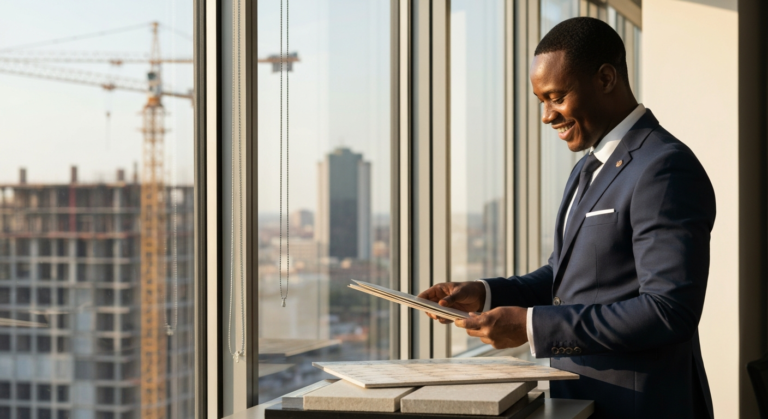

Sustainable construction in Botswana is no longer just a niche trend; it is a practical response to the high cost of traditional building materials and the urgent need for energy-efficient housing in our hot climate. For local entrepreneurs, this shift offers a unique opportunity to provide faster, cheaper, and more eco-friendly building solutions.
What Sustainable Construction Means for Botswana Businesses
Sustainable construction involves using eco-friendly building materials and methods that reduce waste throughout a building’s lifecycle. In the Botswana context, this means moving beyond standard brick-and-mortar to explore materials that handle our heat better and reduce long-term electricity bills for homeowners.
For small and medium enterprises (SMEs), this includes sourcing or manufacturing materials like fly-ash bricks, compressed earth blocks, recycled steel, and low-VOC (Volatile Organic Compound) paints. By focusing on sustainable business ideas, contractors can differentiate themselves in a crowded market.
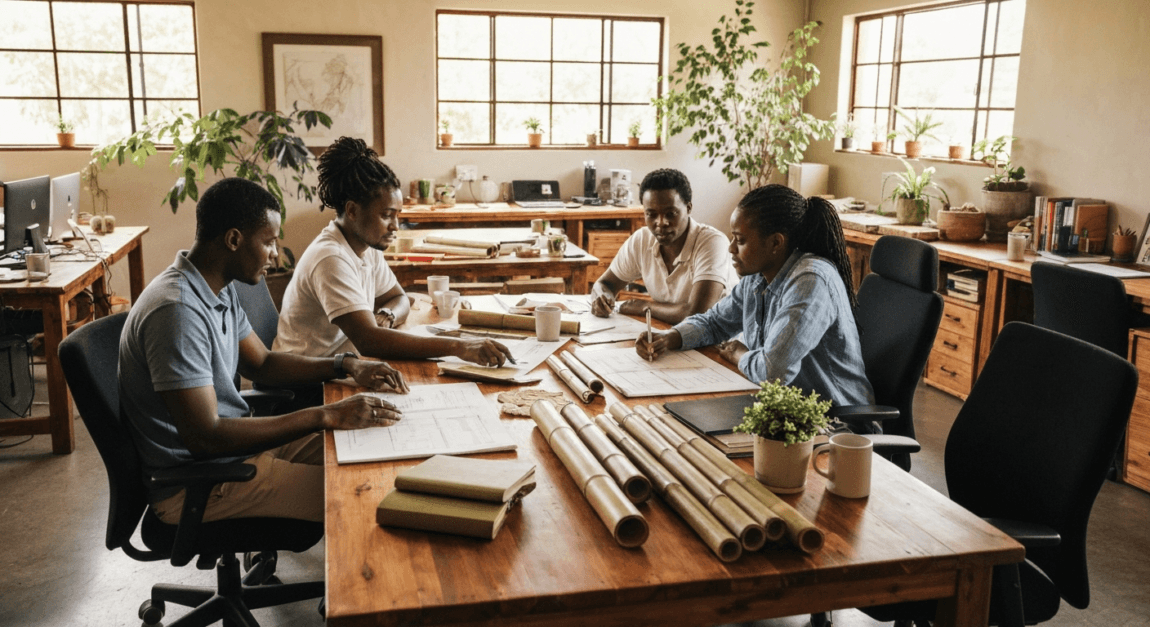
- Source Locally: Look for suppliers of sustainable materials within SADC to keep transport costs manageable.
- Climate-Smart Design: Incorporate natural ventilation and shading to reduce the need for expensive air conditioning.
- Upskill Your Crew: Train your staff on specialized modular assembly or the application of green insulation.
Profitable Business Ideas in Prefab and Modular Building
The demand for renewable energy integration and fast housing solutions has made prefabricated building business models highly attractive. Prefab involves manufacturing components off-site and assembling them on-site, which significantly reduces construction time.
1. Modular Container Conversions
Converting shipping containers into tuck-shops, site offices, or even affordable residential units is a booming trade in Botswana. They are durable, easy to transport, and can be fitted with solar panels for off-grid use. If you are looking for low-cost business ideas, container modification is a great entry point.
2. Light Gauge Steel Framing (LGS)
LGS is a sustainable alternative to timber or heavy steel. It is lightweight, 100% recyclable, and ideal for Botswana’s terrain. Businesses specializing in LGS can offer quicker turnaround times for residential extensions or commercial warehouses.
3. Solar-Ready Modular Homes
With Botswana’s high solar radiation, building homes that are “solar-ready” with built-in wiring and roof reinforcements is a major selling point. You can partner with local energy firms listed on the Lephutshi directory to offer a complete package.
Local Operational Realities: Costs, Logistics, and Payments
Starting a construction-related business requires a clear understanding of the local landscape. Here is a reality check for Botswana entrepreneurs:
- Startup Costs: A small-scale prefab or container conversion business can start with approximately P50,000 to P150,000 for tools, initial material deposits, and a secure yard. Larger modular manufacturing setups may require P500,000+.
- Getting Paid: Most local contractors use a milestone-based payment system. Accepting payments via EFT, Orange Money, or Smatsana is common. For larger projects, ensure you have a business bank account to handle professional transactions and invoicing.
- Logistics: Moving prefab units requires flatbed trucks. If you don’t own one, build a relationship with a local logistics provider early. Consider the road conditions if delivering to remote cattle posts or farms.
- Compliance: Ensure your business is registered via CIPA (OBRS). You will also need a valid trading license from your local council and must adhere to Botswana Bureau of Standards (BOBS) guidelines for building safety.
Analyzing Cost vs. Lifecycle Savings
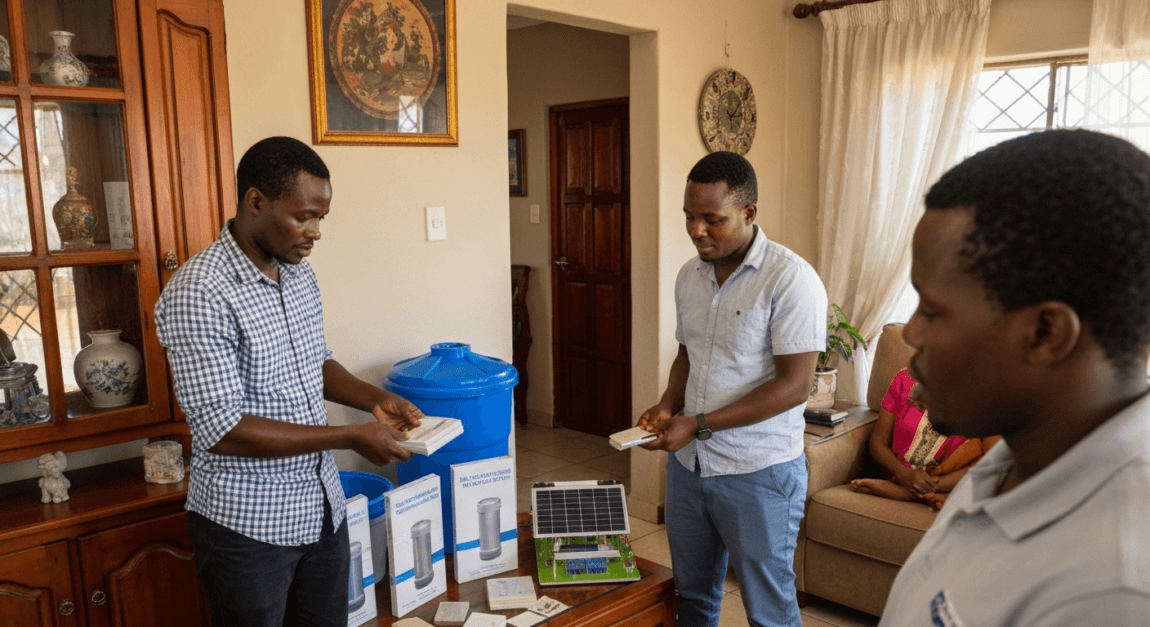
While some sustainable materials have a higher upfront cost, the lifecycle savings are the real hook for customers. For example, a well-insulated prefab home can save a homeowner up to 40% on cooling costs during our hot summer months. When pitching to clients, use data to show how they will save money over 5 to 10 years.
To help manage your own finances, refer to our Construction Cost Estimation Guide for Small Contractors. Including a financial projection in your business plan can also help when applying for CEDA or NDB funding.
How to Market Your Construction Business in Botswana
The construction industry relies heavily on trust and referrals. To get noticed:
- Use Social Media: Share “Before and After” photos or time-lapse videos of your prefab builds on Facebook and TikTok.
- Local Visibility: Add your business to Lephutshi so developers and homeowners can find you when searching for local contractors.
- Referrals: Encourage happy clients to leave reviews. Word-of-mouth is still one of the most powerful tools in Botswana.
Conclusion: The Way Forward for Botswana Builders
Sustainable construction and prefab building are the future of the Botswana housing market. By embracing modular techniques and eco-friendly materials, you can build a business that is not only profitable but also helps solve our local housing and energy challenges. Whether you are a newcomer or an established contractor, the time to innovate is now.
Ready to grow your business visibility? Add your business to Lephutshi today. For professional help with digital marketing or building a company website, visit Lephutshi Developers. To learn new business skills or teach others, explore Dithutong.
Recommended Reading
- How to Start a Construction Company in Botswana: A Step-by-Step Guide
- Green Certifications and Incentives for Botswana Businesses
- Factors Influencing Prefabricated Building Adoption in Botswana (Academic Study)
- Writing a Solar Energy Business Plan in Botswana
- IRENA: Renewables Readiness Assessment for Botswana
FAQ
- What is green construction?
Green construction refers to building practices that prioritize environmental responsibility and resource efficiency in every phase, from design and construction to operation and demolition. - Is prefab building cheaper than traditional building in Botswana?
Generally, yes. While high-end modular units can be expensive, the savings in labor costs, reduced waste, and faster construction times (weeks vs. months) often make it more affordable overall. - Do I need a special permit for prefab buildings in Botswana?
Yes. All permanent structures, whether prefab or traditional, usually require planning and building permission from your local town or district council. Always check with your local physical planning office first. - What materials are best for sustainable building in our climate?
Materials with high thermal mass (like stabilized earth blocks) or high-quality insulation (like rockwool or specialized foam panels) are excellent for keeping buildings cool in the Botswana heat. - Where can I find green building suppliers in Botswana?
You can search the Lephutshi local directory for hardware stores, solar specialists, and modular building providers near you.