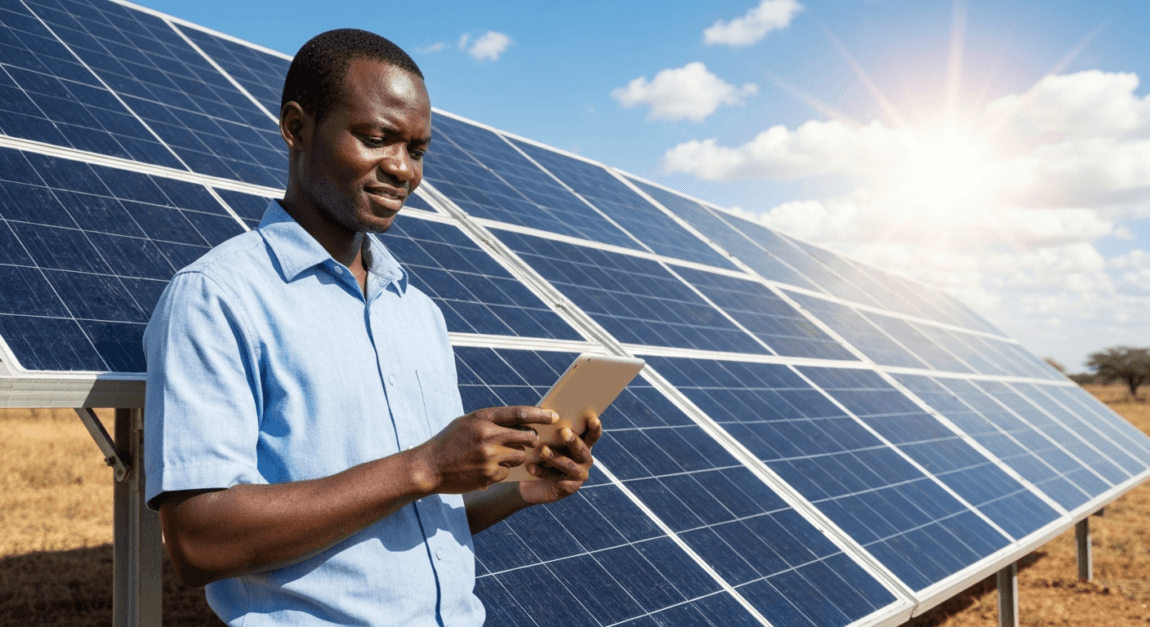
With over 3,200 hours of sunshine annually, Botswana is one of the best places in the world to launch a renewable energy venture. If you are looking for a solar energy business plan in Botswana, you are tapping into a sector supported by the National Energy Policy and a growing demand for reliable, off-grid power. Whether you want to install panels for homes in Phakalane or set up a solar farm in the Kgalagadi, a structured plan is your first step to success.
Solar Energy Industry Overview in Botswana
The solar energy landscape in Botswana has shifted from a niche interest to a national priority. The Botswana Government, through the Integrated Resource Plan (IRP), aims to have a significant portion of the country’s electricity generated from renewable sources by 2030. This creates a massive opening for local entrepreneurs to bridge the gap in supply and installation services.
Botswana’s Solar Market Potential
Unlike many other sectors, solar energy is resilient. As electricity tariffs from BPC (Botswana Power Corporation) continue to adjust, more businesses and homeowners are looking for ways to lock in their energy costs. From small-scale solar geysers to large-scale irrigation systems for farms in Pandamatenga, the applications are endless. For those just starting, exploring sustainable business ideas in Botswana can provide a broader context on the green economy.
Global Technology Trends
Technology is moving fast. Lithium-ion battery storage has become more affordable, allowing solar systems to provide power throughout the night. For a Botswana-based company, staying updated on these trends is vital to ensure you aren’t selling outdated tech to your clients. Innovation in bifacial panels and smart inverters can give your business a competitive edge.
Choosing the Right Solar Business Model
Before writing your business plan, you must decide which part of the value chain you want to occupy. Specializing helps you manage costs and focus your marketing efforts effectively.
1. Residential Solar Installations
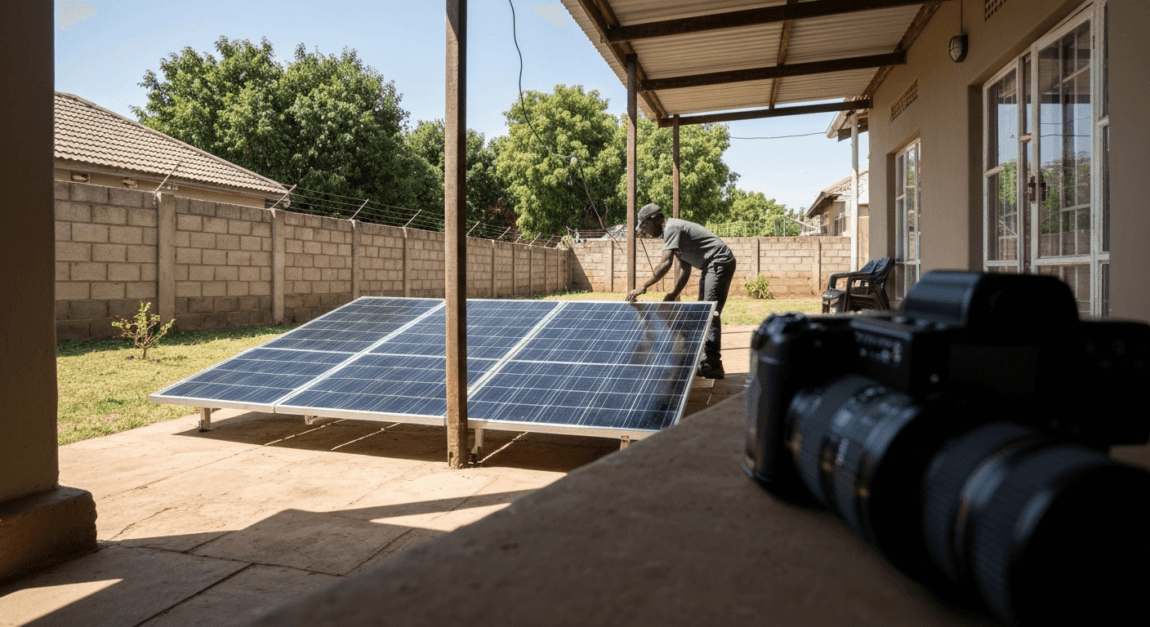
This is the most common entry point. You focus on providing solar solutions for private homes—lighting, solar geysers, and backup systems for power outages. Success here depends on quality workmanship and word-of-mouth referrals. You can improve your reach by improving your online presence to attract homeowners searching for installers.
2. Commercial and Industrial (C&I)
Medium to large businesses, lodges, and retail centers are looking to reduce operational costs. These projects are larger and require higher technical expertise and bigger capital, but they offer significantly higher profit margins. Many lodges in the Okavango Delta, for example, rely entirely on these systems.
3. Utility-Scale Solar Farms
These are massive projects that sell power back to the national grid. They require millions in Pula for investment and involve intense regulatory hurdles with BERA and BPC. This model is usually for established firms with strong international partnerships.
Key Components of a Solar Energy Business Plan

A bankable solar energy business plan in Botswana needs more than just a good idea; it needs data. If you are applying for a loan, your business plan structure must be professional.
Market Analysis and Competition
Who are your competitors in Gaborone, Francistown, or Maun? What is your “Unique Selling Proposition” (USP)? Perhaps you offer a 5-year maintenance contract, or you specialize in solar-powered boreholes. A thorough market analysis will help you identify underserved areas.
Financial Projections and Startup Costs
A solar business is capital-intensive because of inventory. You need to account for:
- Equipment Sourcing: Costs of panels, inverters, and batteries (often imported from South Africa or China).
- Logistics: Import duties and transport.
- Certifications: Licensing fees and staff training.
Ensure you include detailed financial projections to show how long it will take to break even.
Funding Your Solar Business in Botswana
Finding the capital to stock equipment is often the biggest hurdle. Fortunately, Botswana has several institutions that favor renewable energy projects.
CEDA and NDB Loans
The Citizen Entrepreneurial Development Agency (CEDA) is a primary source of funding for Batswana. They have specific interest in projects that promote energy security. When navigating CEDA loans, ensure your technical drawings and quotations from reputable suppliers are ready. The National Development Bank (NDB) also offers industrial and commercial loans for energy projects.
Private Investors and Crowdfunding
If you have a large-scale project, you might look toward venture capital or angel investors. There is a growing global interest in African green energy, making this an attractive sector for impact investors.
Regulations, Licensing, and Compliance
You cannot simply start installing large-scale solar systems without the right paperwork. Compliance ensures safety and builds trust with your clients.
BERA Licensing
The Botswana Energy Regulatory Authority (BERA) is the body responsible for regulating the energy sector. For small residential installations, the requirements are minimal, but for any business involved in generation, transmission, or distribution, you must apply for a license. Visit the BERA website for the latest application forms.
Company Registration and Tax
Your business must be registered through CIPA (OBRS). Additionally, you should obtain a trading license from your local council. Don’t forget to register for tax with BURS; while there are incentives for green energy, staying compliant is non-negotiable for tax clearance which is often required for government tenders.
Practical Tips for Local Operations
Running a solar business in Botswana comes with unique logistical challenges. Here is how to handle them:
- Getting Paid: For residential clients, offer flexible payment options like bank transfers, FNB eWallet, or Orange Money. For larger commercial projects, use professional online payment methods and milestone-based invoicing.
- Sourcing Materials: Most high-quality solar components are imported. Establish relationships with suppliers in South Africa or Namibia to ensure a steady supply chain and handle BURS customs clearances efficiently.
- Marketing: Most people find installers via Facebook groups or Google. Make sure your business is easy to find by adding your business to Lephutshi, Botswana’s local business directory.
Conclusion
A solar energy business in Botswana is more than just a money-making venture; it’s a contribution to the nation’s energy independence. By creating a solid solar energy business plan, understanding BERA’s regulations, and targeting the right market, you can build a sustainable and profitable company.
Ready to get your solar business noticed? Add your business listing to Lephutshi today. For help building a professional website to showcase your solar projects, contact Lephutshi Developers. To learn more about business management, browse our entrepreneurship blog.
Recommended Reading
- Solar Energy Policies and Regulations in Botswana
- How to Write a Business Plan for Funding in Botswana
- Botswana Energy Regulatory Authority (BERA) Official Site
- Top Sustainable Business Ideas for Batswana
FAQ
- Do I need a license to sell solar panels in Botswana?
General retail usually requires a standard trading license from the local council. However, for installation and generation, you may need to comply with BERA regulations and have certified electricians on your team. - How much does it cost to start a small solar installation business?
A small-scale startup (home-based) can begin with roughly P20,000 to P50,000 for basic tools, a website, and initial marketing. However, stocking inventory like batteries and panels can easily push costs over P150,000. - Does CEDA fund solar businesses?
Yes, CEDA provides funding for citizen-owned businesses in the energy sector, provided you have a viable business plan and the necessary technical expertise. - What are the best solar business ideas?
Profitable niches include solar borehole pump installation, solar street light maintenance for councils, and residential solar backup systems for urban homes.