
The push towards sustainability in business is more than just a trend; it’s a necessity driven by global environmental goals and Botswana’s own developmental needs. As our market aligns with the Sustainable Development Goals (SDGs) and local frameworks like Vision 2036, there is a massive opportunity for local entrepreneurs to lead the way.
For a Botswana SME, sustainability isn’t just about “being green”—it’s about building a resilient, cost-effective business that attracts modern customers and complies with future regulations. Whether you are running a small shop in Maun or a tech startup in Gaborone, understanding these future trends in sustainable business Botswana will give you a competitive edge.
The Intersection of Global Goals and Botswana’s Vision 2036
Globally, the Paris Agreement and the SDGs define how businesses should operate to protect the planet. In Botswana, these goals are localized through Vision 2036, which aims to transform the country into a high-income, sustainable economy.
For entrepreneurs, this means that government tenders, international partnerships, and even business funding in Botswana are increasingly looking for “green” credentials. Aligning your business with these targets early is a smart way to future-proof your operations.
Practical Steps to Align Your Business:
- Resource Efficiency: Reduce water and electricity waste to lower your overheads.
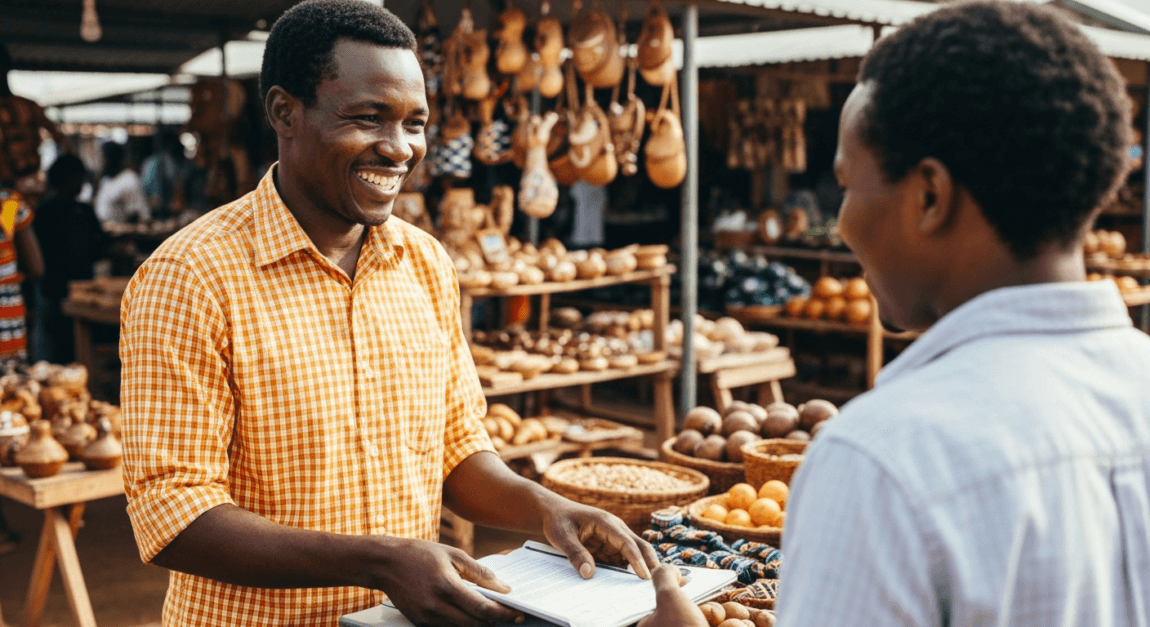
- Local Sourcing: Buying from other local suppliers reduces transport emissions and supports the local economy.
- Compliance: Stay updated on environmental requirements via compliance checklists for Botswana businesses.
- Reporting: Even small businesses can benefit from tracking their waste and energy savings to show transparency to investors.
Emerging Sustainable Business Models in Botswana
Innovation is redefining how we think about profit. We are moving away from the “take-make-dispose” model toward systems that keep resources in use for longer.
The Circular Economy & Recycling
The circular economy focuses on eliminating waste. In Botswana, this trend is visible in the rise of specialized recycling and upcycling ventures. From turning glass bottles into construction materials to repurposing old tires, the potential for starting a recycling business is huge.

AI and IoT for Energy Efficiency
Technology is a major driver of sustainability. Using AI for business allows SMEs to monitor energy usage in real-time. For example, smart sensors (IoT) can automatically dim lights or turn off air conditioning in offices when no one is present, significantly cutting BPC bills. You can explore more on how to use AI in business to streamline your own operations.

Plant-based and Local Food Security
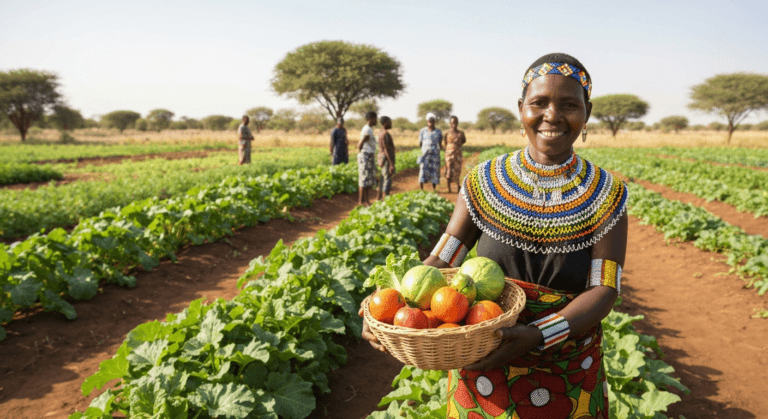
With increasing concerns over food security and the carbon footprint of imported goods, plant-based foods and organic farming are booming. Entrepreneurs can look into hydroponics or small-scale vegetable production to supply local retailers, reducing the need for long-haul truck deliveries from neighboring countries.
The Shift in Consumer Demand: Gen Z and Beyond
The modern Motswana consumer, particularly Gen Z (those born between the late 90s and early 2010s), is more eco-conscious than previous generations. They prefer brands that are ethical, transparent, and environmentally friendly.
How to capture this market:
- Eco-Friendly Packaging: Replace plastic bags with paper or reusable options.
- Digital-First approach: Reduce paper waste by using digital receipts and online payment methods like Orange Money or payment links.
- Authenticity: Avoid “greenwashing.” Be honest about your journey toward sustainability.
The Role of Renewable Energy (Solar Power)
Botswana has some of the highest solar radiation levels in the world. As the cost of solar panels drops and BPC tariffs rise, investing in solar energy is one of the most practical renewable energy business opportunities available today. This trend isn’t just for big mines; small guesthouses and retail shops are now installing solar systems to ensure business continuity during power outages.
Local Reality Check: Starting Sustainable
Before jumping into a green venture, it is important to understand the local operating environment in Botswana.
| Factor | Botswana Reality |
|---|---|
| Startup Costs | Can range from P5,000 (small upcycling) to P100,000+ (solar installations). |
| Registration | Must register via CIPA (OBRS). Check if you need a specific trading license. |
| Getting Paid | Cash, FNB eWallet, Orange Money, or MyZaka are standard for local trade. |
| Logistics | Use local couriers or Poso Botswana for nationwide delivery. |

Conclusion – Future-Proofing Your Business
Sustainable business is no longer a niche market in Botswana; it is becoming the standard. By adopting green business ideas and focusing on efficiency, you are not only helping the environment but also ensuring your business survives in a changing economy.
Next Steps for Entrepreneurs:
- Audit your waste: See what you can reuse or recycle.
- Explore Solar: Get a quote for a small solar backup system.
- Get Discovered: To grow your visibility, add your business to the Lephutshi directory so customers looking for local solutions can find you.
Need a professional website to showcase your sustainable products? Visit Lephutshi Developers. Want to learn more skills? Explore Dithutong today or browse all our other articles for more business tips.
Recommended Official Reading
- [PDF] Botswana’s 2050 – Long-Term Vision – The Africa NDC Hub
- [PDF] Botswana’s Adaptation Communication to the UN
FAQ
1. What are the biggest sustainable business trends in Botswana?
Key trends include the circular economy (recycling), renewable energy (solar), water conservation technologies, and the rise of eco-conscious consumerism among the youth.
2. How can a small business in Botswana start being sustainable?
Start small by reducing electricity usage, switching to digital receipts to save paper, and sourcing materials from local suppliers to reduce transport emissions.
3. Is there funding for green businesses in Botswana?
Yes, institutions like CEDA and various international grants often have specific windows for projects that focus on renewable energy, waste management, and sustainable agriculture.
4. Does sustainability actually increase profit?
In the long run, yes. Sustainability reduces waste (saving money) and builds brand loyalty with modern customers who prefer ethical businesses.