
Starting a recycling business in Botswana is no longer just about cleaning the environment; it is a viable commercial opportunity. With the Botswana government’s push toward a circular economy and increased public awareness, waste has become a valuable resource for local entrepreneurs. This guide covers how to identify profitable niches, navigate local regulations, and scale your operations.
The Opportunity in Botswana’s Circular Economy
Recycling is the backbone of the circular economy, where materials are reused and repurposed instead of ending up in landfills like Gamodubu. In Botswana, this sector is growing as businesses seek to meet sustainability goals. By starting a recycling venture, you aren’t just managing waste—you are providing raw materials for industries and creating local jobs.
Success in this industry depends on your ability to secure steady waste streams and find reliable off-takers (buyers). You can explore more about sustainable business ideas in Botswana to see how recycling fits into the bigger green economy.
Top Profitable Recycling Niches in Botswana
Not all waste is equal. To build a profitable business, you must choose a material that has a high resale value or high volume in your area.
1. Plastic Recycling (PET and HDPE)
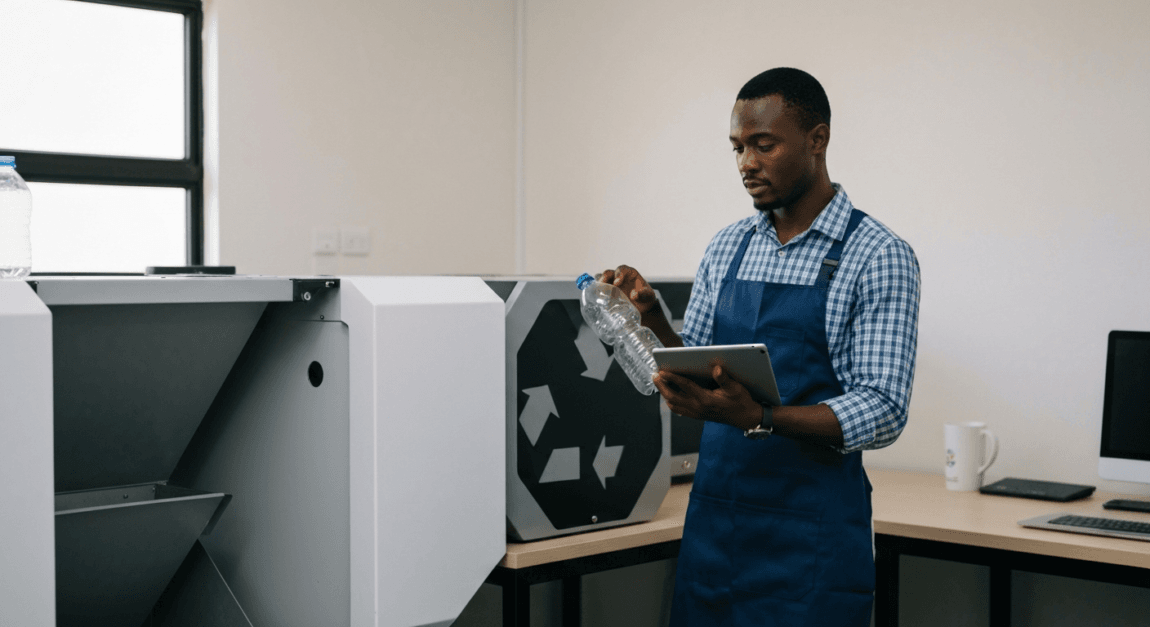
Plastic waste, especially PET bottles and packaging, is abundant. This is one of the most popular low-cost business ideas in Botswana for beginners. You can start by collecting, sorting, and baling plastic to sell to larger processing plants in Gaborone or across the border.
2. Scrap Metal and E-Waste
E-waste (old computers, phones, circuit boards) contains precious metals like copper and gold. While it requires technical knowledge to extract safely, the returns are high. Similarly, scrap metal (cans, steel, aluminum) remains a staple in the Botswana recycling market due to high demand from construction and manufacturing sectors.
3. Paper and Cardboard
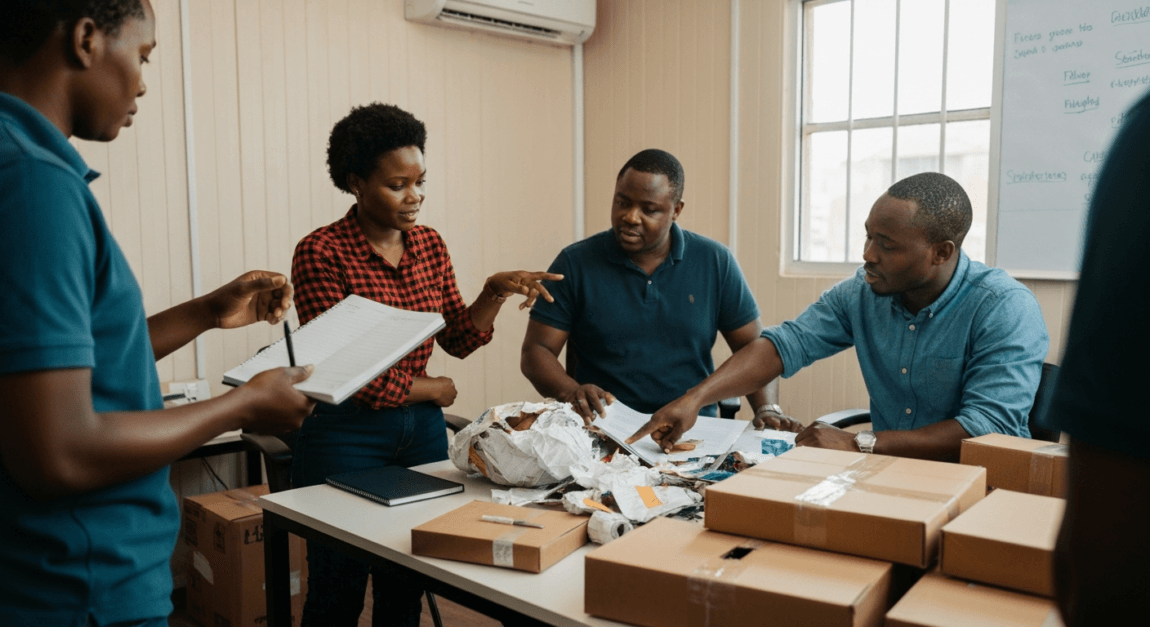
Many retailers and offices in Botswana produce massive amounts of cardboard. By partnering with local shopping malls or industrial sites, you can secure a consistent supply of raw materials. This is an excellent business idea for students or those looking for a part-time side hustle.
4. Organic Waste and Composting
If you are located near agricultural hubs or busy residential areas, turning organic waste into compost can be highly lucrative. This supports local farmers and matches the organic farming trends in Botswana.
Steps to Start Your Recycling Business
Launching a recycling venture requires more than just a truck. You need a structured approach to ensure long-term sustainability.
Step 1: Write a Practical Business Plan
Your plan should detail how you will collect waste, where you will store it, and who will buy the final product. Financial projections are vital if you plan to apply for CEDA loans or other funding. For help, check out our guide on how to write a business plan.
Step 2: Company Registration and Compliance
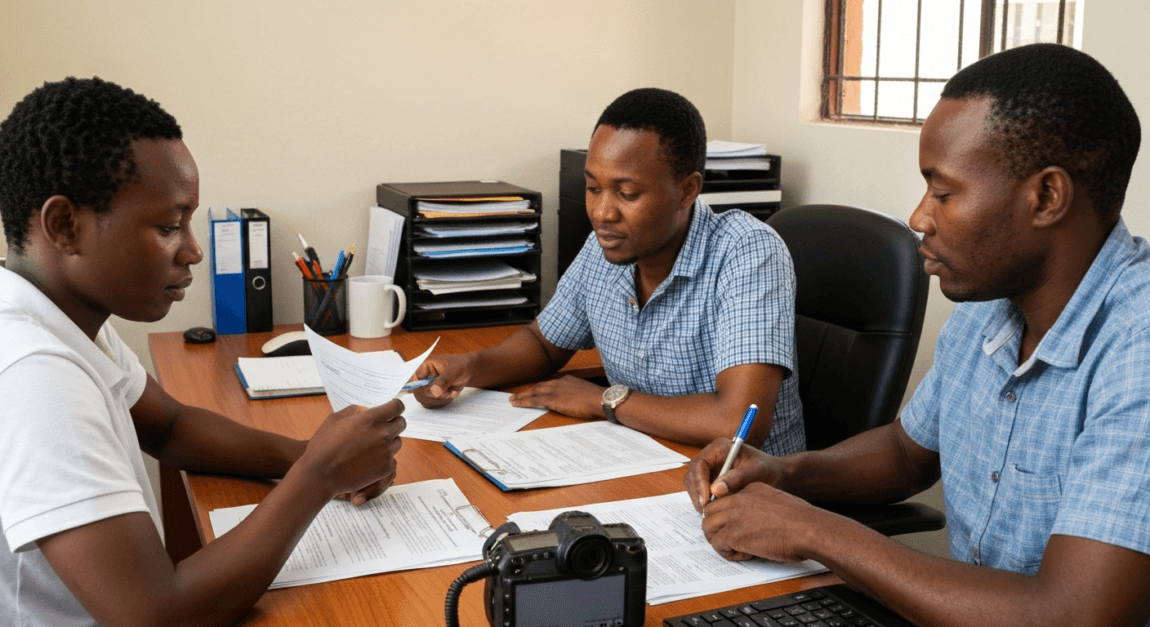
You must register your company through the CIPA OBRS system. Beyond standard registration, you may need:
- A Trading License from your local City or Town Council.
- An Environmental Impact Assessment (EIA) or a summary from the Department of Environmental Affairs (DEA), depending on the scale of your processing site.
- A waste management license if you are transporting or disposing of hazardous materials.
Note: Always verify current requirements with the Ministry of Environment and Tourism.
Step 3: Secure Your Site and Equipment
You will need a space (plot) zoned for industrial or light industrial use. For equipment, small-scale startups might only need basic PPE, scales, and a collection vehicle. Larger operations will require shredders, balers, or granulators. Startup costs in Botswana can range from P5,000 for a small collection point to over P150,000 for a fully equipped processing center.
Operations: Logistics and Payments
Efficiency is what makes a recycling business in Botswana profitable. Consider these local operational realities:
- Logistics: Fuel is your biggest overhead. Plan your collection routes to minimize travel time. For deliveries to distant buyers, consider using local logistics companies or Poso Botswana’s parcel services.
- Getting Paid: Most street-level collectors prefer cash or mobile money. Set up Orange Money, MyZaka, or eWallet for quick payments. For larger B2B transactions, ensure you have a business bank account to receive EFTs.
- Marketing: Use local marketing strategies like Facebook community groups, WhatsApp Business, and physical flyers in industrial areas to let people know you buy waste.
Profitability: Where is the Money?
The real profit in recycling often lies in “Value Addition.” Selling raw, unsorted waste gets the lowest price. However, if you sort, clean, and shred the material, the price per kilogram increases significantly. Materials like copper, PET plastic, and aluminum currently offer the best margins in the local market. For deeper insights into managing your margins, see our article on reducing operating costs.
Conclusion & Next Steps
Starting a recycling business in Botswana is a journey that combines environmental passion with sharp business logic. By focusing on a specific niche, ensuring compliance with local councils, and optimizing your logistics, you can build a sustainable and profitable venture.
Ready to get noticed? Add your business to Lephutshi to connect with customers. If you need help building your online presence, Lephutshi Developers can help you create a professional website. To learn more entrepreneurial skills, visit Dithutong today.
FAQ
- How much does it cost to start a recycling business in Botswana?
A small-scale collection business can start with as little as P2,000 to P5,000 for basic tools and marketing. A full-scale processing plant with machinery may require P100,000 or more. - Do I need a special license for recycling?
Yes, you typically need a Trading License from your local council and potentially a waste management permit from the Department of Waste Management and Pollution Control (DWMPC). - Which materials are most profitable to recycle in Botswana?
Currently, scrap metal (copper and aluminum), E-waste (electronics), and PET plastic bottles are among the most lucrative materials due to demand from regional manufacturers. - How do I find buyers for my recycled materials?
You can sell to large-scale waste aggregators in Gaborone and Francistown, or export to specialized recycling plants in South Africa, provided you have the necessary export permits. - Is recycling a viable side hustle?
Yes, many people start by collecting cardboard or cans in their spare time and selling them to local depots for extra income.