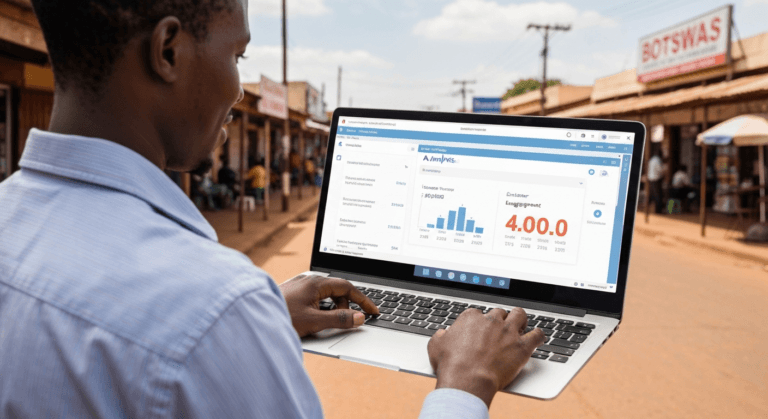


A solid business plan is the cornerstone of any successful enterprise, particularly for entrepreneurs in Botswana. It serves as your roadmap, helping you navigate the local market while acting as a vital document for securing funding from institutions like CEDA, NDB, or commercial banks. Writing this document with care ensures a clear vision, helps you manage risks, and sets measurable goals for your growth.
Why a Business Plan Matters in Botswana
Writing a business plan is crucial for both internal strategy and external attracting of partners or investors. In Botswana, a well-structured plan is often the first thing a loan officer or an investor will ask for. It helps you understand the competitive landscape in areas like Gaborone, Francistown, or Maun, identifies unique local opportunities, and sets achievable milestones.
For example, a local transport company might use a plan to justify the purchase of a new fleet based on the growth of the Botswana transport and logistics industry. Without a plan, you are simply guessing; with one, you are managing a real business.
Preparation Before Writing Your Plan
Before drafting your business plan, it’s essential to conduct thorough research. In Botswana, this means more than just looking online; it often involves visiting local suppliers, checking competitors’ prices, and understanding the purchasing power of your target audience.

- Research local market trends: Look at what is currently in demand in your specific village or town.
- Identify key competitors: Who else is providing this service? Are they established businesses or informal traders?
- Outline financial requirements: Estimate your startup costs in Pula, including rent, stock, and equipment.
The Essential Components of a Business Plan
1. Executive Summary
The executive summary should succinctly overview your company’s mission and objectives. Even though it appears first, it is usually written last. It should act as an elevator pitch that captures the reader’s interest within two minutes, clearly stating what you do and why you will succeed.
2. Company Description
Dive into what sets your business apart. Detail your legal structure (e.g., a private company registered via CIPA/OBRS), your management team, and the specific problems you solve for Botswana consumers.
3. Market Analysis
Understanding your market is vital. Analyze customer segments, average income levels, and shopping behaviors unique to Botswana. For instance, are your customers reachable via WhatsApp Business or do they prefer physical storefronts? Visit our guide on Market Analysis in a Business Plan for more specific insights.
4. Marketing and Sales Strategy
How will people find you? In Botswana, a mix of local advertising, social media, and word-of-mouth is often most effective. Mention how you will use platforms like Facebook and Botswana business directories to get discovered.
5. Financial Plan
A robust financial plan showcases potential profitability and sustainability. It should include your startup costs, monthly overheads (water, electricity, wages), and a sales forecast. This section is critical if you are navigating CEDA loans or seeking private investors.

Step-by-Step Writing Guide
Writing a business plan doesn’t have to be overwhelming if you follow these steps:
- The Research Phase: Gather data on your industry, customers, and costs.
- Draft the Body Sections: Start with the Company Description, Market Analysis, and Operations.
- Develop the Financials: Use a spreadsheet to calculate your cash flow projections.
- Write the Executive Summary: Summarize the most exciting parts of your plan.
- Review and Edit: Ensure there are no spelling mistakes and that your numbers make sense.
If you need a head start, you can find helpful resources in our business plan Botswana template guide.
Botswana Reality Check: Compliance and Operations
When writing your plan, don’t forget the practical local requirements. Mentioning these shows investors that you understand the Botswana regulatory environment:
- Licensing: Do you need a trading license or a specialized permit (like a food handling permit from the local council)?
- Taxation: Have you accounted for BURS requirements? Ensure you understand the process for obtaining a Tax Identification Number.
- Payments: How will customers pay you? Consider integrating online payments or mobile money solutions like Orange Money and eWallet, which are widely used locally.
Common Mistakes to Avoid
Many entrepreneurs fail because their plans are too optimistic. Avoid these common planning mistakes:
- Overestimating Revenue: Be conservative with your sales figures.
- Ignoring Competition: Never assume you have no competitors.
- Lack of Detail in Operations: Explain exactly how the product gets from your supplier to the customer.
Conclusion & Next Steps
A business plan is a living document. Regularly review and update it to reflect changing market dynamics in Botswana. Once your plan is ready and your business is running, the next step is getting noticed by customers.

Ready to grow your business visibility? Add your business to Lephutshi to get discovered by local customers. Need a professional website to back up your plan? Visit Lephutshi Developers. For those looking to learn new entrepreneurial skills, explore Dithutong today.
Recommended Reading
- Market Analysis in a Business Plan: Insights for Botswana
- Business Plan vs. Strategic Plan: Key Differences
- Lean Business Plan – Is a One-Page Business Plan Feasible?
Frequently Asked Questions
- How do I write a business plan step by step?
Start with thorough market research, define your business structure, create a marketing and operational plan, develop financial projections, and finish by writing your executive summary. - Is a business plan required for CEDA funding?
Yes, a detailed business plan is a primary requirement for CEDA and most other financial institutions in Botswana to assess the viability of your project. - How long should a business plan be?
For a small startup, 15 to 25 pages is usually sufficient. However, for internal use, a lean one-page plan might work during the early stages. - What are the most important parts of a business plan?
The most critical parts are the Executive Summary (for first impressions), the Market Analysis (to prove demand), and the Financial Plan (to prove sustainability).