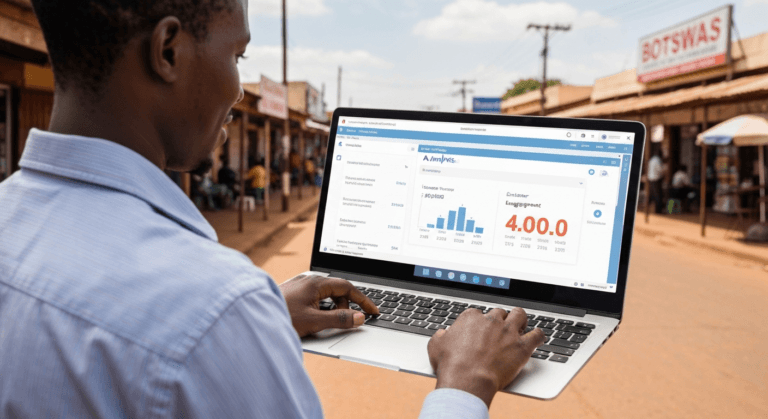


Embarking on the journey of entrepreneurship in Botswana demands more than just a great idea—it requires a robust business plan. Many local founders ask, "Do I really need a business plan to succeed?" The answer is a definite yes. In a market as competitive as ours, the importance of business planning cannot be overstated. It is the difference between a side hustle that stays small and a registered company that scales across the country.
Introduction – Do You Really Need a Business Plan?
While some may argue that a business plan is just a formality or a piece of paper for the bank, the opposite is true. For small businesses in Gaborone, Francistown, or even smaller villages, a structured plan is essential to navigate the dynamic local market landscape. It serves as your GPS, helping you avoid costly mistakes and helping you spot opportunities your competitors might miss.
Addressing skepticism about planning
Some entrepreneurs question the necessity of a detailed business plan, thinking it takes too much time away from "actual work." They wonder, "Can you succeed without a business plan?" While some people get lucky, the reality is that without a plan, your vision lacks direction. You risk running out of cash, miscalculating your market, or failing to meet the requirements for local tenders and grants.
The real benefits of a structured plan
Having a comprehensive business plan offers numerous advantages, from securing funding from institutions like CEDA to clarifying your specific business objectives. It helps you decide which business structure is best for you and how to manage your daily operations effectively.
1. Provides Direction & Strategy
Clarity in your business goals is paramount. A well-structured business plan helps you calculate the path forward, ensuring your time and money are not wasted on activities that don’t bring profit.

Clarifying goals and paths
With a business plan, you pinpoint your objectives, formulate effective strategies, and create a roadmap to success. Instead of guessing, you use tools like a SWOT analysis to understand your internal strengths and external threats in the Botswana market.
Local Botswana Reality: The Power of Strategy
Consider a local Botswana entrepreneur who wants to start a landscaping business. Without a plan, they might buy expensive equipment they don’t need. With a plan, they realize their target market is actually corporate office parks in Phakalane, requiring different tools and a specific marketing approach. You can read more about strategic management here. For official SME development support, the Doing Business Botswana portal is a great external resource.
2. Helps in Obtaining Funding and Loans
Securing financial backing is a critical stepping-stone for any entrepreneur in Botswana. Whether you are looking for an investor or a government grant, a meticulously crafted business plan is usually the first document they request.

Importance for investors and local banks
Investors and banks like Absa, FNB, or Stanbic look for well-articulated business visions before committing resources. A business plan reassures them of your preparedness. If you are applying for CEDA loans or LEA support, your plan must demonstrate how you will repay the funds and create local employment.
Why lenders care about your plan
According to global studies, businesses with plans grow 30% faster. Locally, lenders want to see your financial projections to ensure the business is viable. They want to know you’ve thought about your operating costs—from shop rent to BURS tax compliance. For those seeking funding insights, Absa Bank Botswana often shares tips on SME challenges and success.
3. Improves Decision-Making and Risk Management
Running a business involves making dozens of decisions daily. Should you hire more staff? Should you lower your prices? Effective decisions stem from thorough understanding and analysis, not guesswork.
Through thorough market analysis
Market analysis helps you comprehend industry trends, competitor behavior, and customer needs in your specific town or village. This enhances your strategic positioning. If you know there are already five hair salons on your street, your plan might help you decide to offer specialized services like organic hair treatments to stand out. Learn more from our Market Analysis Guide.
The role of financial insights
Financial insights within your plan help you manage risks and predict cash flow. In Botswana, where supply chains can sometimes be slow, knowing your "burn rate" (how much money you spend each month) is vital to keep your doors open. It also helps you prepare for Botswana business taxes so you aren’t surprised by a large bill from BURS.
4. Acts as a Management Tool
A business plan is not a static document you hide in a drawer; it’s a dynamic management tool that guides everyday operations. It is your benchmark for success.

Tracking progress with benchmarks
By setting Key Performance Indicators (KPIs), you can measure progress, adjust strategies, and maintain control over business growth. If your plan said you’d reach 50 customers by month three, but you only have 10, the plan forces you to ask "why" and pivot your marketing.
Example: The Lephutshi Experience
At Lephutshi, we use planning to navigate the fast-changing digital landscape. By having a clear roadmap, we can adapt to new technologies while staying focused on our mission to help Botswana businesses get discovered online. It keeps our team aligned and resilient during market shifts.
5. Increases Your Odds of Long-Term Success
Strategic planning is closely linked with business sustainability. It provides a measurable edge over competitors who are just "winging it."
Planning’s correlation with success
Case studies suggest that companies with clear plans have a higher rate of success and are less likely to fail in the first two years. By identifying common planning mistakes early, you save yourself the stress of a failing business.
Start with a solid foundation
Businesses with a solid plan grow faster because they can identify the most profitable business ideas and focus their resources there. If you aren’t ready for a 40-page document, start with a lean one-page business plan to get your thoughts in order.
Conclusion – A Living Document for Business Growth
A business plan isn’t just a document for an office; it’s a vital instrument for your survival and growth. It provides direction, helps you secure funding from banks or CEDA, improves your daily decisions, and acts as a management tool to keep you on track. Real-world success stories in Botswana show that those who plan are the ones who stay in business for the long haul.
Ready to grow your business visibility in Botswana? Add your business to Lephutshi to get discovered by more customers. If you need a professional website or online promotion to match your new business plan, visit Lephutshi Developers. Want to learn or teach new business skills online? Explore Dithutong today.
Recommended Reading
- How to Write a Business Plan: A Step-by-Step Guide
- Business Plan Template for Botswana Entrepreneurs
- How to Get Business Funding in Botswana
- Catalyzing Entrepreneurship for Economic Development in Botswana
FAQ
Common Questions About Business Planning
- Why is a business plan important for a small business in Botswana?
A business plan is crucial because it provides a clear roadmap, helps in securing funding from institutions like CEDA or NDB, and ensures you understand your local competitors before spending money. - Can you succeed without a business plan?
While some businesses survive on luck, a business plan significantly increases your odds of long-term success by helping you manage risks and make better financial decisions. - What are the main benefits of writing a business plan?
The main benefits include a clearer strategy, better decision-making based on market data, improved chances of getting bank loans, and a tool to track your company’s growth. - How often should I update my business plan?
Your business plan is a living document. You should review and update it at least once a year, or whenever there is a major change in the market, your finances, or your business goals. - Do I need a business plan for CIPA registration?
No, CIPA (OBRS) registration does not require a business plan. However, you will definitely need one if you plan to apply for a trading license or business funding after registration.