


Effective management of livestock diseases is crucial to maintain the health of animals and the profitability of farms in Botswana. Whether you are a commercial farmer selling to the Botswana Meat Commission (BMC) or a small-scale poultry producer, understanding local health challenges is the difference between profit and loss. This guide explores common livestock diseases treatment in Botswana, symptoms to watch for, and practical prevention steps.
Understanding Livestock Diseases in the Botswana Context
Livestock diseases can have significant impacts on agricultural productivity and national export status. In Botswana, the Department of Veterinary Services (DVS) and the Botswana Vaccine Institute (BVI) play vital roles in monitoring and controlling outbreaks. Recognizing symptoms early is the first step in effective animal health management.
Classification of Livestock Diseases

Livestock diseases can be classified based on their causes (viral, bacterial, or parasitic) and the species they affect. By understanding these categories, farmers can better choose between antibiotics, vaccines, or parasite control measures.
Infectious vs Non-Infectious Diseases
Infectious diseases, such as Foot and Mouth Disease (FMD) and Anthrax, are caused by pathogens and can spread quickly through a herd or across farms. In Botswana, FMD is highly regulated because it affects our beef export market. Non-infectious diseases include nutritional deficiencies (like phosphorus deficiency common in the Kalahari sands) and genetic disorders.
Common Cattle Diseases in Botswana
Cattle are the backbone of Botswana’s rural economy. Diligent disease management ensures herd health and production efficiency. Understanding cattle diseases treatment in Botswana is essential for every moraka owner.
Symptoms and Treatment Options for Cattle
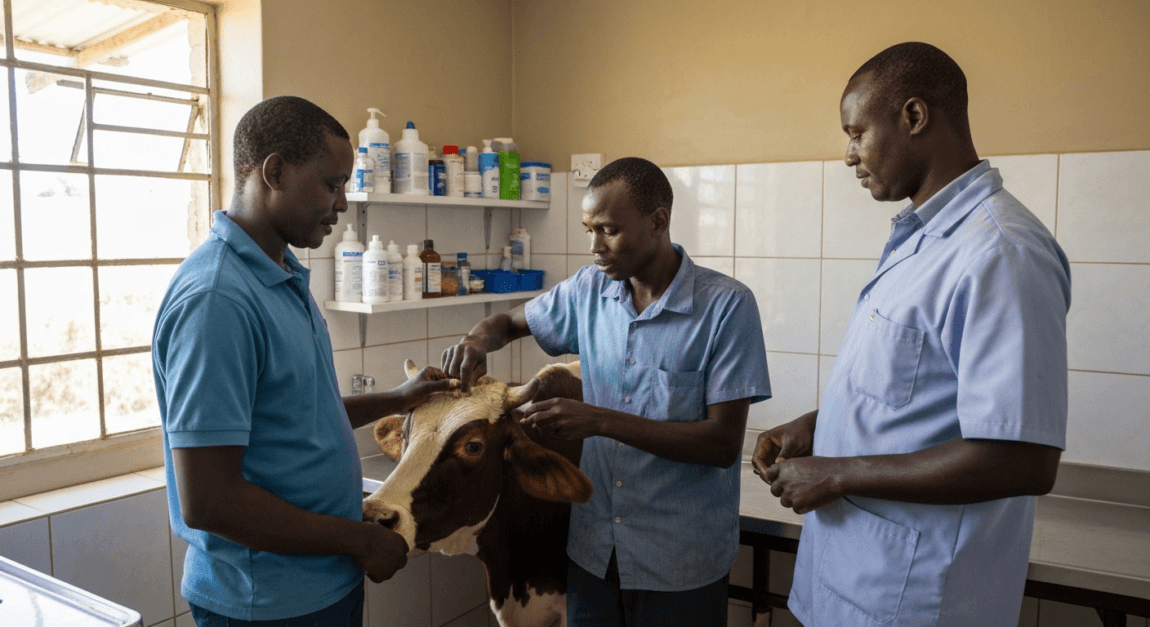
- Foot and Mouth Disease (FMD): Look for blisters on the mouth and hooves, and excessive salivation. FMD is a notifiable disease; if suspected, you must contact your local Veterinary Office immediately.
- Lumpy Skin Disease: Characterized by firm, raised nodules on the skin. Prevention is through annual vaccination, usually available at local agrivets or LACs (Livestock Advisory Centres).
- Quarter Evil (Blackquarter): A bacterial infection causing swelling in the heavy muscles and sudden death. Annual vaccination is the primary control.
- Heartwater: A tick-borne disease common in the bushveld. Symptoms include high fever and nervous signs (circling). Treatment requires specific antibiotics like Oxytetracycline.
Stay informed about best practices by visiting our Cattle Farming Guide and ensure your animals are registered on the BAITS system for traceability.
Goat and Sheep (Small Stock) Diseases
Goat and sheep farming is growing rapidly in Botswana, especially through government initiatives like CEDA funding. Small stock are hardy but susceptible to specific ailments.
Recognizing Small Stock Symptoms
Common symptoms of goat and sheep diseases include lameness, coughing, diarrhea (scours), and sudden weight loss. In Botswana, Pasteurellosis (often called “shipping fever” or pneumonia) is a major killer of goats during seasonal changes.
Effective Control Measures
Sanitation, rotational grazing to reduce worm loads, and strict vaccination schedules are critical. For internal parasites (worms), use effective dewormers available at BAMB or private agrivets. Orf (Mogau) is also common; while usually not fatal in adults, it can cause severe issues in kids and lambs. Treatment involves topical antiseptics and ensuring the animal can still feed.
Poultry Diseases Overview
Poultry farming offers a quick return on investment, but disease can wipe out an entire flock in days. Success in this sector requires strict biosecurity.
Signs of Health Issues in Poultry
Poultry health issues often manifest as respiratory distress (gasping), huddling, greenish diarrhea, or a sudden drop in egg production. Diseases like Newcastle Disease and Infectious Bursal Disease (Gumboro) are common in Botswana.
Prevention and Treatment

Biosecurity is the best treatment. Limit visitors to your poultry houses and use disinfectant footbaths. Explore specific prevention strategies in our Common Poultry Diseases Guide.
Zoonoses and Farmer Safety in Botswana
Zoonotic diseases—those transmissible between animals and humans—are a public health concern. Farmers should be aware of the risks when handling sick animals or raw animal products.
- Rabies: Highly dangerous and transmissible via bites. Ensure all farm dogs are vaccinated.
- Anthrax: Can be fatal to humans. Never open the carcass of an animal that died suddenly without a known cause.
- Brucellosis: Can cause undulant fever in humans, often contracted through unpasteurized milk.
Practical safety measures include wearing gloves during assisted births, using masks in dusty poultry houses, and washing hands thoroughly after handling livestock.
Prevention, Biosecurity, and Local Realities
In Botswana, livestock diseases treatment is often hampered by distance to veterinary services. Proactive prevention is cheaper than cure.
Farm Biosecurity Best Practices
- Quarantine: Always isolate new animals for at least 14–21 days before introducing them to the main herd.
- Tick Control: Regular dipping or pour-on treatments are essential, especially during the rainy season.
- Nutrition: Use lick blocks (phosphate/salt) to keep the immune system strong, especially during the dry winter months.
Sourcing Medicines and Payments
Most veterinary drugs can be purchased from Botswana Agricultural Marketing Board (BAMB), Livestock Advisory Centres (LACs), or private agrivets in centers like Gaborone, Francistown, or Palapye. Many private vets and suppliers now accept Orange Money, eWallet, or MyZaka, making it easier to pay for emergency services even from the cattle post.
When to Call a Vet
While basic first aid is useful, some situations require a professional. In Botswana, you can contact government vets at your district agricultural office or hire private practitioners.
Recognizing Serious Health Issues
Seek professional help if you see:
- Multiple animals dying in a short period.
- Persistent high fever that doesn’t respond to basic treatment.
- Abortions in several cows or goats.
- Signs of notifiable diseases (FMD, Anthrax).
Collaboration with Veterinary Experts
Building a relationship with a vet allows for better long-term planning. They can help you design a vaccination calendar tailored to your specific region (e.g., Ngamiland vs. Southern District).
Conclusion and Next Steps
Managing livestock diseases in Botswana requires a mix of traditional knowledge and modern veterinary science. By staying vigilant, following a strict vaccination schedule, and maintaining biosecurity, you can protect your livestock investment and contribute to the nation’s food security. Remember that healthy animals lead to healthy profits.
Ready to grow your agribusiness visibility? Add your business to Lephutshi today. If you are looking for eco-friendly farming methods, check our guide on organic farming in Botswana. For professional digital growth, visit Lephutshi Developers or learn new skills at Dithutong.
Recommended Reading
- Cattle Farming Guide: Housing, Feeding, and Profit
- Common Poultry Diseases and Prevention in Botswana
- Organic Farming & Eco-Friendly Agribusiness in Botswana
- Botswana Vaccine Institute: FMD Vaccine Impact
- Botswana Veterinary Association & BVI Collaboration
FAQ
- What is the most common livestock disease in Botswana?
Foot and Mouth Disease (FMD) and Lumpy Skin Disease are among the most common and economically significant cattle diseases. In small stock, Pasteurellosis is a frequent challenge. - Where can I buy livestock vaccines in Botswana?
Vaccines can be purchased at Livestock Advisory Centres (LACs), Botswana Agricultural Marketing Board (BAMB), and various private agrivets. For FMD, the Botswana Vaccine Institute (BVI) is the primary producer. - How do I report a suspected disease outbreak?
You should immediately contact the nearest Department of Veterinary Services (DVS) office or your local veterinary technician (Mmaditshika). - Which diseases can humans catch from farm animals (Zoonoses)?
Diseases such as Rabies, Anthrax, Brucellosis, and Salmonellosis can be spread from animals to humans. - What are the costs for veterinary services in Botswana?
Costs vary. Government vets may provide free service for notifiable diseases, while private vet call-out fees can range from P500 to P1,500+ depending on distance and treatment required.