

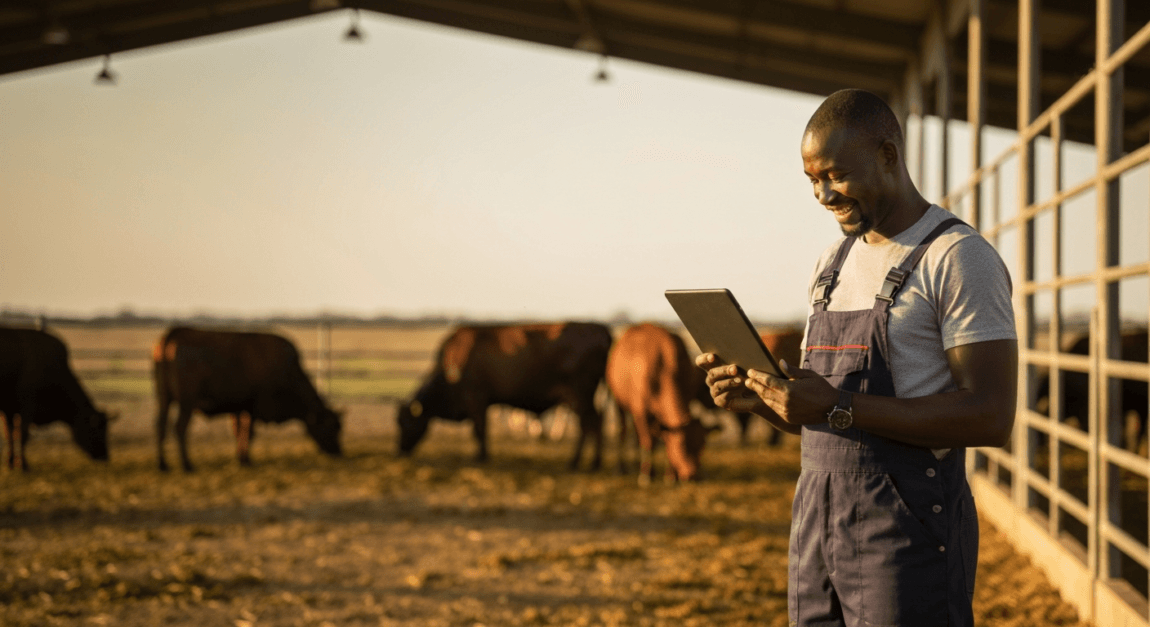
Cattle farming in Botswana is more than just a business; it is a cultural cornerstone and a primary driver of the rural economy. Often referred to as “Botswana’s black gold,” cattle represent wealth, security, and a significant export opportunity through the Botswana Meat Commission (BMC). For local entrepreneurs, success requires moving beyond traditional methods toward a more commercialized cattle farming guide approach that prioritizes animal health, efficient feeding, and market-ready breeding.
Choosing Your System: Beef vs. Dairy
Before you clear land or buy your first heifer, you must decide on your production system. In Botswana, the climate and market demand usually dictate this choice.
Exploring Beef Cattle Farming
Beef production is the most common system in Botswana. It ranges from extensive grazing at a cattle post (moraka) to intensive feedlotting. Popular breeds include the Brahman (known for heat tolerance), Bonsmara (developed for Southern African conditions), and Tswana cattle (highly resilient). If your goal is to sell to the BMC or local butcheries, beef is often the most straightforward winning business idea in Botswana.
Key Differences in Dairy Cattle Farming
Dairy farming is highly intensive and requires proximity to urban centers like Gaborone or Francistown for fresh milk distribution. Breeds like Friesian (Holstein) and Jersey are high producers but require massive amounts of water and high-quality supplementary feed. Unlike beef, dairy provides daily cash flow but demands 24/7 management.
Land, Housing, and Infrastructure Basics
Securing the right land is your first hurdle. In Botswana, land is typically held under Tribal (Land Board), State, or Freehold title. Your infrastructure needs will depend on which system you use.
Optimal Land Use and the ‘Cattle Post’ Reality
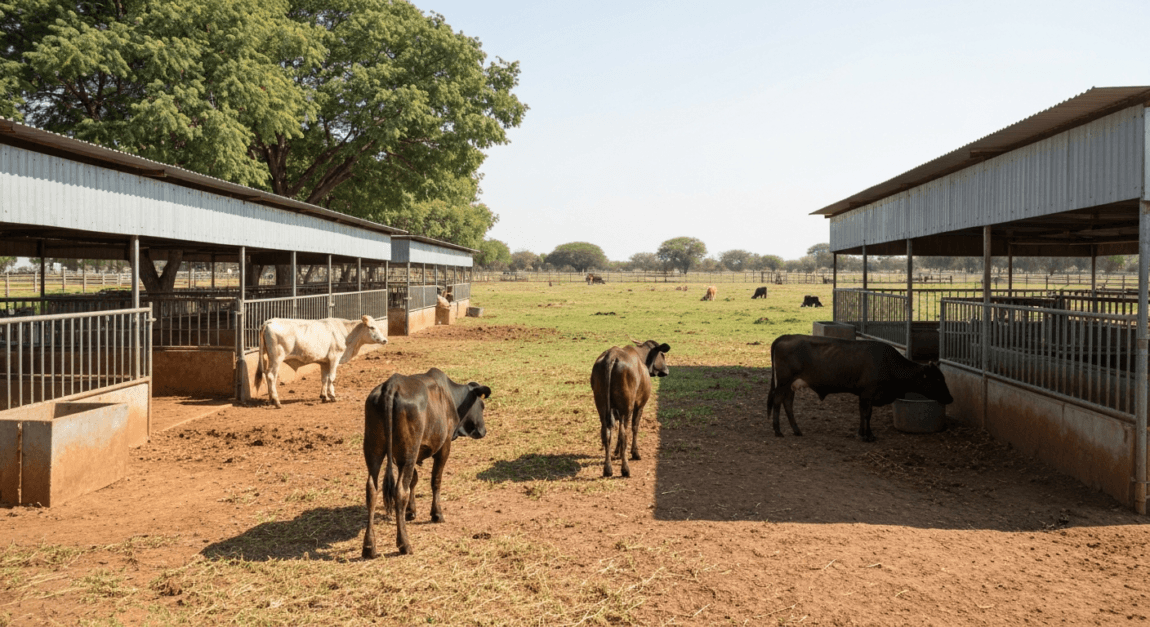
Most Batswana utilize communal grazing or leased ranches. When selecting land, prioritize water reliability—a borehole is often the most expensive but vital investment. Ensure your land size matches your “stocking rate” (how many cows the land can feed without being overgrazed). For more on land requirements, check the Ministry of Agriculture’s livestock guidelines.
Essential Features of Cattle Housing
While beef cattle often roam, you still need sturdy handling facilities (kraals). Essential structures include:
- Crushes and Head Clamps: For vaccinations, branding, and ear-tagging.
- Loading Ramps: For transporting cattle to markets or the BMC.
- Shade Structures: Crucial for protecting calves and dairy cows from the intense Botswana sun.
Feeding Systems and Drought Resilience
Feeding is the highest cost in any cattle farming guide. In Botswana, the challenge is the long dry season where grass loses its nutritional value.
The Two Main Groups of Cattle Feed
To keep cattle healthy, you must balance two types of feed:
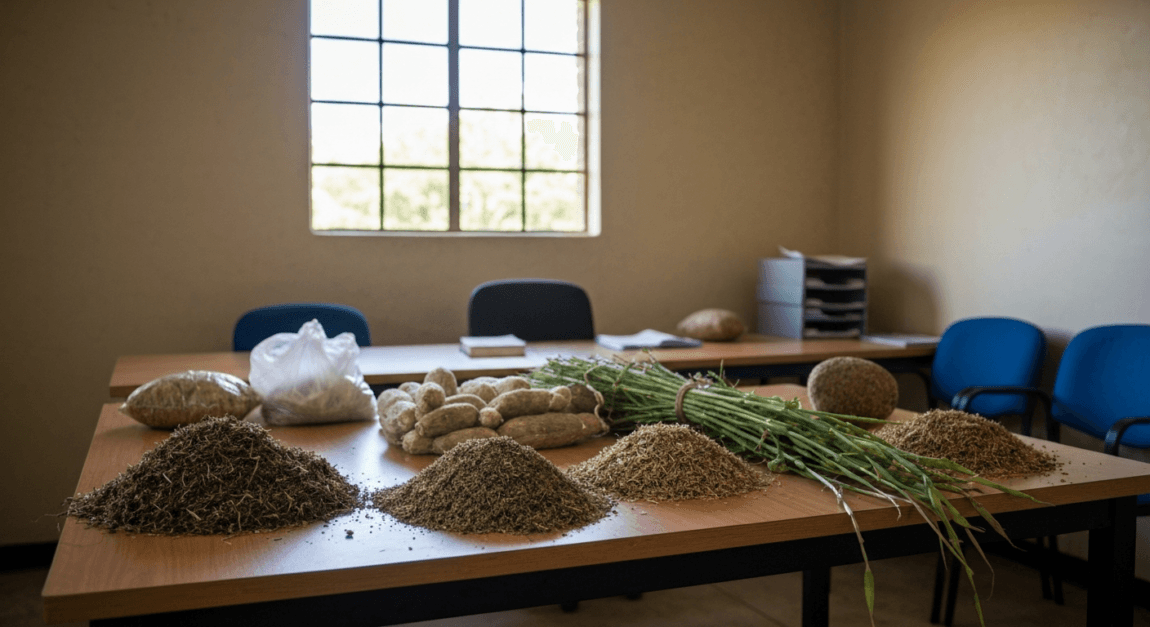
- Roughages: Natural grazing (veldt), hay, and silage. This is the bulk of their diet.
- Concentrates: Energy and protein-dense feeds (like maize germ or cotton seed) used to boost growth or milk production.
Tailoring Feed Strategies for Botswana
Smart farmers use Winter Licks (phosphorus and urea supplements) to help cattle maintain weight when the grass is dry. Growing your own fodder, like Lablab or Lucerne, can significantly reduce operating costs. Always keep a reserve of hay for drought years to avoid “emergency sales” at low prices.
Breeding and Health Management
A cow that doesn’t produce a calf every year is an expense, not an asset. Effective breeding is about timing and health.
Optimal Breeding Standards
Heifers should generally be bred when they reach about 60-70% of their adult weight, typically between 15 and 24 months. Over-breeding or breeding too young can stunt the cow’s growth and lead to difficult births.
Local Health and Compliance (LITS)
Botswana has strict animal health laws. All cattle must be registered under the Livestock Identification and Traceability System (LITS), which involves digital boluses or ear tags. Regular vaccinations for Foot and Mouth Disease (FMD), Lumpy Skin, and Anthrax are mandatory in many zones. Always consult your local Veterinary Office for a seasonal vaccination schedule.
Record Keeping and Digital Tools
You cannot manage what you do not measure. Proper record-keeping is the difference between a hobby and a business.

What Records Should You Keep?
- Individual Animal Files: Birth date, breed, parentage, and weight.
- Health Records: Dates of vaccinations, deworming, and any treatments.
- Financials: Feed costs, labor, fuel, and sale prices at the BMC or auctions.
Using a structured business plan helps you track these metrics against your long-term goals.
Profitability: Selling and Marketing
Profit in Botswana cattle farming comes from high “off-take” rates—selling animals at their peak value rather than keeping them until they are too old.
The Botswana Market Reality
There are three main ways to get paid for your cattle:
- Botswana Meat Commission (BMC): Best for high-quality, EU-compliant beef. Payments are usually via bank transfer (EFT).
- Local Butcheries: Often pay quickly and are less strict on EU export rules, but prices may be lower.
- Private Sales (Speculators/Farmers): Selling breeding stock or “weaners” to other farmers. Payments can be via EFT, Orange Money, or eWallet.
Estimated Startup Costs (BWP)
While costs vary, here is a realistic range for starting small in Botswana:
- Quality Heifer: P6,000 – P12,000 per head.
- Good Quality Bull: P25,000 – P60,000+ (can be shared among neighbors).
- Borehole Drilling/Equipping: P80,000 – P150,000.
Beginner Mistakes to Avoid
Many new farmers lose money by ignoring the “business” side of the cattle farming guide.
- Neglecting Water Security: Depending on seasonal pans that dry up in July.
- Buying Poor Genetics: Cheap cattle often take longer to grow, costing you more in feed over time.
- Ignoring Compliance: Failing to brand your cattle or keep your tax clearance updated can prevent you from selling to the BMC.
Conclusion
Cattle farming in Botswana remains one of the most reliable ways to build long-term wealth. By focusing on quality breeds, maintaining a strict feeding schedule during drought, and keeping accurate records, you can transform a traditional cattle post into a profitable enterprise.
Ready to grow your agricultural business visibility? Add your farm or supply business to Lephutshi. For professional help with your digital presence, visit Lephutshi Developers, or learn new agricultural skills on Dithutong.
Recommended Reading
- How to Write a Business Plan for Botswana Agriculture
- Compliance Checklist for New Businesses in Botswana
- How to Identify a Winning Business Idea in Botswana
- Official Botswana Meat Commission (BMC) Website
FAQ
Which cattle are best for meat in Botswana?
The Brahman, Bonsmara, and Beefmaster are excellent for beef. The local Tswana breed is also highly valued for its hardiness and meat quality.
How do I sell my cattle to the BMC?
You must ensure your cattle have the required digital bolus/ear tags (LITS), are from a Foot and Mouth-free zone, and you have a registered vendor number from the BMC.
Which cow gives more milk?
Friesian (Holstein) cows are the top milk producers, though Jerseys are often preferred for the high butterfat content of their milk.
What is the best age to breed a cow?
Usually between 15 and 24 months, or once the heifer has reached approximately 60% of her expected mature body weight.
What is the cost of a brand registration in Botswana?
Brand registration is done through the Department of Veterinary Services. Costs are minimal (usually under P100), but the legal protection it provides against theft is priceless.
What are the two main groups of cattle feed?
The primary groups are roughages (grass, hay, silage) and concentrates (grains, high-protein supplements).