
In the modern Botswana business landscape, sustainability is moving from a “nice-to-have” trend to a core operational necessity. As fuel prices fluctuate and consumers become more eco-conscious, companies are realizing that green logistics in Botswana is not just about saving the planet—it is about securing the bottom line. By aligning environmental goals with innovative supply chain strategies, local businesses can improve efficiency and stay competitive.
What is Green Logistics and Why Does it Matter?
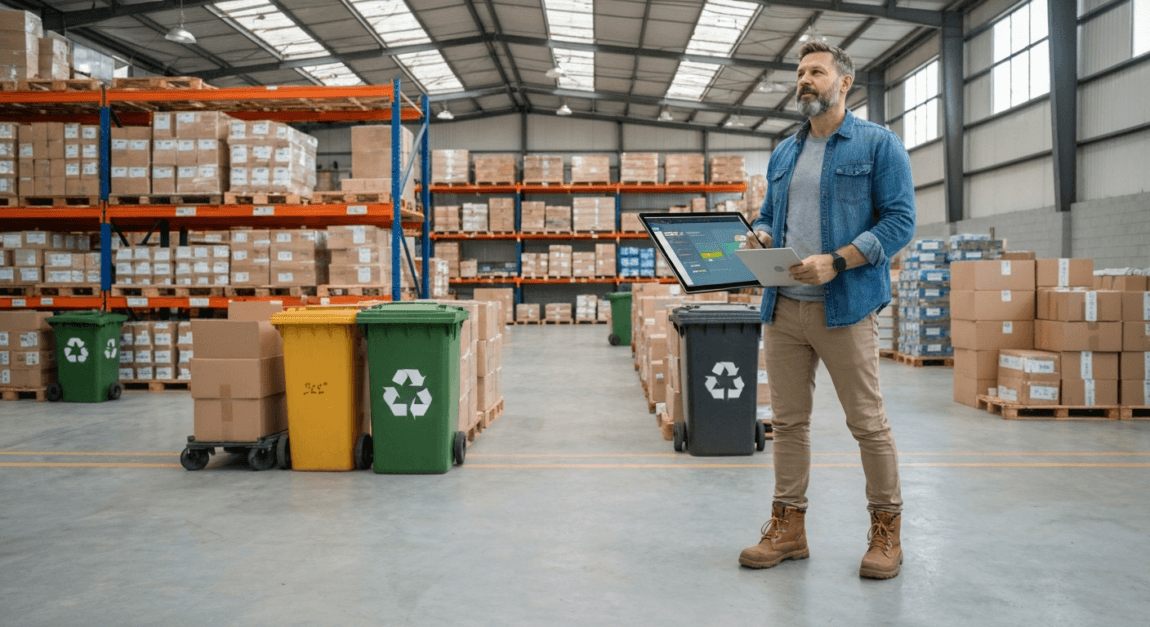
Green logistics involves designing and managing supply chain operations to minimize environmental impact. This includes reducing carbon emissions, cutting down on waste, and optimizing resource use from the point of origin to the final consumer. In the local context, this often means finding ways to navigate the Botswana transport logistics industry more efficiently.
The Link to Vision 2036
Sustainable operations resonate deeply with Botswana’s Vision 2036, which aims for high-income status driven by sustainable economic growth and environmental preservation. For a business owner, embracing these practices means you are not just building a company; you are contributing to a national agenda of energy independence and long-term resilience.
The Benefits of Sustainable Operations for Botswana SMEs
Adopting green practices provides a range of practical advantages that go beyond “being green.”
- Significant Cost Savings: By reducing fuel consumption and energy waste, you can directly reduce operating costs in your Botswana business.
- Enhanced Brand Reputation: Today’s consumers, especially younger Batswana, prefer brands that show social and environmental responsibility.
- Future-Proofing: As environmental regulations tighten globally and locally, being an early adopter of green logistics ensures your business remains compliant and ready for future trade requirements.
Practical Green Logistics Practices to Implement
Transitioning to green logistics in Botswana doesn’t have to happen overnight. You can start with small, impactful changes in how you handle transport and sourcing.
1. Optimizing Transportation and Routing
Transportation is often the biggest contributor to a business’s carbon footprint. For Botswana businesses, where distances between towns like Gaborone, Maun, and Francistown are vast, optimization is key.

Using basic routing software or even Google Maps to plan multi-stop deliveries can significantly cut fuel usage. Regular vehicle maintenance is also crucial; a well-tuned engine and correctly inflated tires improve fuel efficiency by up to 10-15%.
2. Leveraging Local Sourcing
One of the simplest ways to go green is to shorten your supply chain. When you buy from local suppliers, you reduce the “transport miles” associated with your products. This not only cuts emissions but also supports other local entrepreneurs. If you are struggling with your current setup, it may be time to navigate supply chain challenges by looking closer to home.

3. Solar Power in Warehousing and Offices
Botswana has some of the highest solar potential in the world. For businesses with warehouses or large office spaces, solar energy is a game-changer. While the initial setup cost for a solar system might range from P10,000 for small systems to over P100,000 for larger commercial setups, the long-term savings on BPC bills are substantial.

Waste Reduction and Eco-Friendly Packaging
The transition toward a circular economy in Botswana is gaining speed. Businesses can lead by reducing plastic use and encouraging recycling.
- Biodegradable Packaging: Swap plastic bags for paper or compostable options. Several local suppliers now offer these alternatives.
- Digital Documentation: Move away from paper-heavy invoicing. Use digital tools to accept online payments in Botswana through payment links, Orange Money, or eWallet. This reduces paper waste and the need for physical travel to make payments.
- Recycling Partnerships: Partner with local recycling companies like Somarelang Tikologo or private collectors to manage your waste responsibly.
Compliance and Local Realities
When implementing green logistics in Botswana, it is important to stay compliant with local authorities. Ensure that any major changes to your operations or facilities align with trading license requirements and local council bylaws. If you are importing green technology (like solar panels or electric vehicle components), consult with BURS regarding any potential VAT exemptions or rebates that may apply to renewable energy equipment.
Marketing Your Green Efforts
Don’t keep your sustainable efforts a secret. Use your business listing on Lephutshi to highlight your eco-friendly practices. This helps you get discovered by customers who specifically look for sustainable businesses in the local business directory.
Conclusion
Embracing green logistics in Botswana is a smart move for any business looking to grow in the 21st century. By optimizing your transport, switching to solar power, and sourcing locally, you can reduce costs, attract loyal customers, and contribute to the country’s Vision 2036 goals. Start small, track your savings, and build a business that is both profitable and planet-friendly.
Ready to increase your business visibility and showcase your sustainable practices? Add your business to Lephutshi today. For help with digital marketing or building a professional website to show off your green initiatives, visit Lephutshi Developers. Want to learn more about eco-friendly business models? Explore our full blog archive for more tips.
Recommended Reading
- Green Logistics Practices in Botswana: Challenges and Prospects
- Sustainable Procurement in Botswana’s Public Sector
- ITC: Botswana Green Value Chain Development
- Top Sustainable Business Ideas in Botswana
FAQ
1. What is green logistics in Botswana?
It involves managing supply chains in Botswana with a focus on reducing environmental impact, such as using solar power for warehouses and optimizing truck routes to save fuel.
2. Is it expensive to start sustainable operations?
While some changes like solar installation have an upfront cost (often starting around P10,000 for small setups), others like route optimization and local sourcing can actually save you money immediately.
3. How does green logistics help my brand?
It builds trust. Many customers in Botswana prefer businesses that care about the community and the environment, which can lead to higher customer loyalty.
4. Can green logistics work for small home-based businesses?
Yes! Simple steps like using digital invoices, minimizing packaging waste, and using local delivery services instead of driving everywhere yourself are all parts of green logistics.