


Starting a small farm is one of the most rewarding profitable small business ideas in Botswana. Whether you are looking to supply local retailers or sell directly to your community, a solid vegetable and crop production guide is essential for navigating our unique climate and soil conditions. This guide provides practical steps to help you move from a backyard hobbyist to a profitable commercial farmer.
The Difference Between Crop and Vegetable Production
While often used interchangeably, understanding the distinction helps in planning your farm layout and business model. Crop production (often referred to as agronomy) usually involves large-scale cultivation of grains or legumes like maize, sorghum, and cowpeas, often for mass-market or industrial use.
Vegetable production (horticulture) focuses on edible plant parts like leaves, roots, and fruits consumed by humans. In Botswana, many small-scale farmers succeed by combining both—planting field crops during the rainy season and maintaining vegetable tunnels or gardens year-round to ensure a steady cash flow.
Understanding Basic Agricultural Terms
- Horticulture: The art and science of growing fruits, vegetables, and ornamental plants.
- Agronomy: The science of soil management and crop production, typically for field crops.
- Dryland Farming: Farming that relies solely on rainfall, common in Botswana for sorghum and maize.
The Role of Botswana’s Climate and Soil
Botswana is known for its semi-arid climate and predominantly sandy soils (Kgalagadi sand). This means moisture evaporates quickly, and nutrients can leach away. Success requires choosing crops that can handle high heat and implementing sustainable practices like mulching to keep the soil cool and moist.
Site and Soil Selection for Small Farms
Your farm’s location and soil type are the biggest predictors of your yield. In Botswana, you must consider proximity to water and protection from livestock.
Analyzing Your Farmland for Productivity
Before planting, it is vital to know what you are working with. Many farmers in Botswana fail because they plant high-nutrient-demanding crops in depleted soil. Testing your soil for pH and nutrient levels is a decisive step. You can seek assistance from the Department of Agricultural Research (DAR) or private labs to understand your soil’s health.

Improving Soil Health Naturally
In our climate, organic matter is your best friend. Incorporating kraal manure, compost, and practicing organic farming techniques significantly improves water retention. Crop rotation (e.g., planting beans after maize) helps naturally replenish nitrogen in the soil, reducing your dependence on expensive chemical fertilizers.
Seed Selection and Planting Strategies
The foundation of any profitable vegetable and crop production guide is the quality of the seeds. Cheap seeds often result in poor germination and weak plants.
Choosing the Right Seeds for the Season
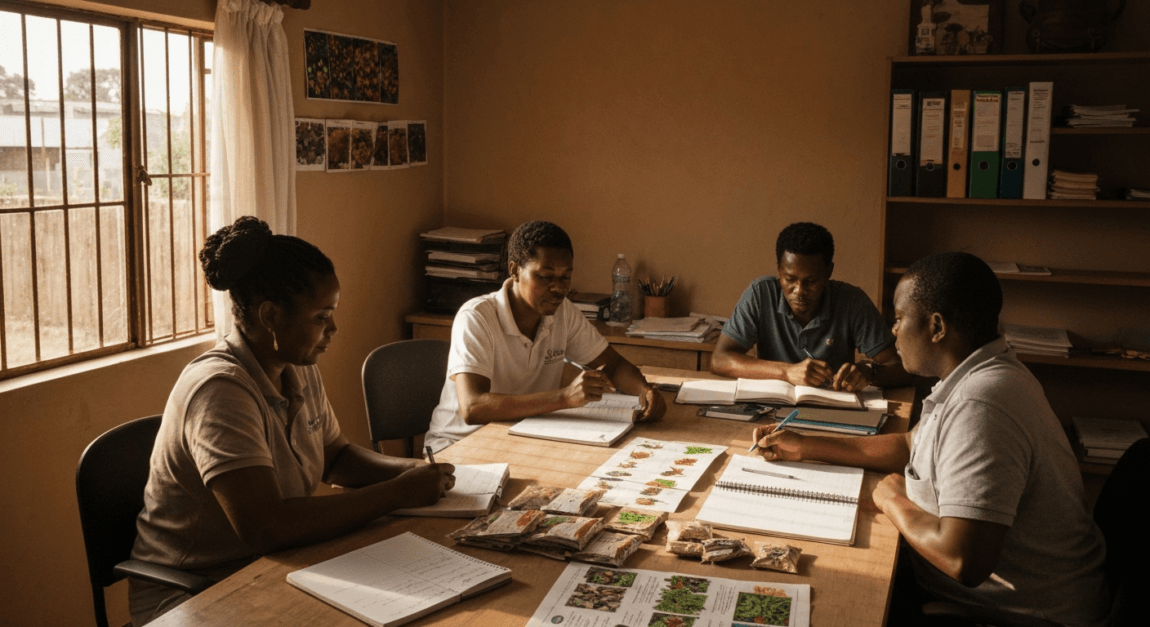
Botswana has distinct seasons. Summer (October–March) is ideal for heat-loving crops like tomatoes, peppers, and watermelons. Winter (May–August) is perfect for leafy greens like spinach (Swiss chard), cabbage, and rape. Always look for “heat-tolerant” or “drought-resistant” varieties from reputable suppliers like Seed Co or local agricultural shops.
Optimal Planting Techniques
For vegetables, using seed trays (transplanting) is often better than direct seeding because it allows the young plants to develop in a controlled environment before facing the harsh sun. Ensure correct spacing to allow airflow, which reduces the risk of fungal diseases during the humid months.
Effective Irrigation and Water Management
In Botswana, water is gold. Relying on rain is risky for small-scale commercial farming.
Efficient Water Usage
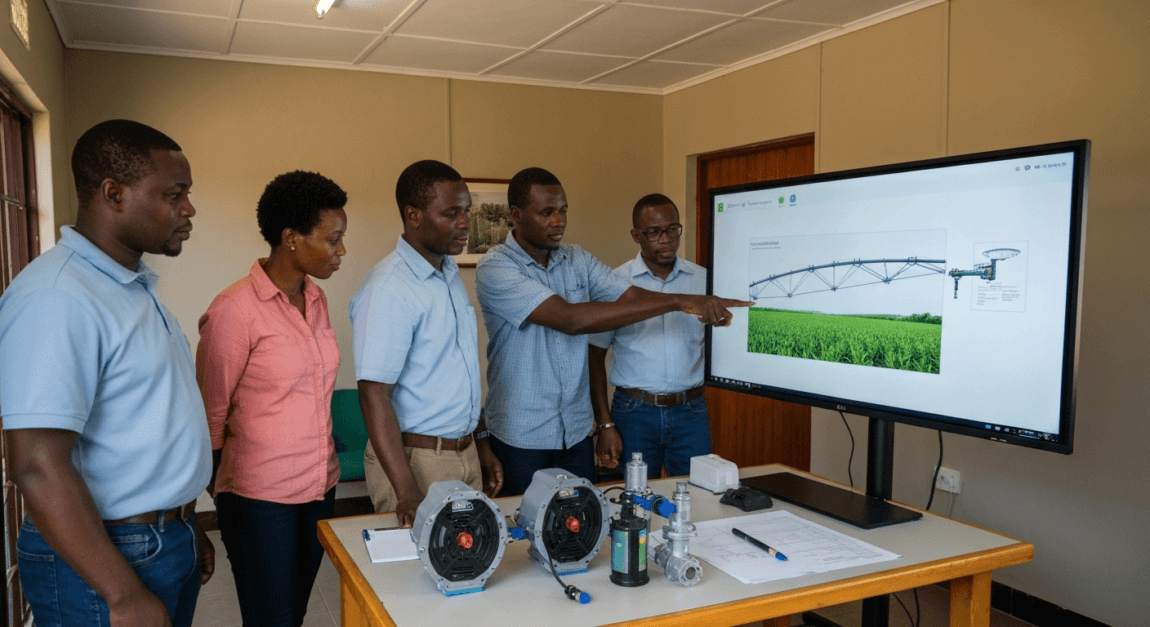
Drip irrigation is the most recommended method for Botswana’s small farms. It delivers water directly to the plant roots, minimizing waste through evaporation. Sprinkler systems are common for field crops but can lead to high water loss in the afternoon heat.
Irrigation Technologies Suited for Botswana
Many local farmers are now adopting solar-powered boreholes to reduce the high cost of electricity or diesel. If you are starting small, even a simple gravity-fed drip system from a raised Jojo tank can be highly effective. Remember to water early in the morning or late in the evening to maximize absorption.
Pest and Disease Control
Pests can wipe out an entire season’s profit in days. In Botswana, Bagrada bugs, aphids, and diamondback moths are common enemies of vegetable crops.
Integrated Pest Management (IPM)
Rather than relying solely on harsh chemicals, use IPM. This includes:
- Scouting: Checking your plants every morning for early signs of damage.
- Biological Controls: Encouraging ladybugs that eat aphids.
- Natural Sprays: Using neem oil or soapy water for minor infestations.
If you must use pesticides, ensure you follow the instructions regarding the “waiting period” before harvest to ensure consumer safety.
Harvesting, Storage, and Logistics
How you handle your produce after picking it determines whether it reaches the market as a premium product or as waste.
Timely Harvesting to Maximize Value
Vegetables like spinach and lettuce should be harvested in the cool early morning and kept in the shade immediately. Over-mature vegetables become tough and lose their market appeal. For field crops like maize, ensure they are properly dried to prevent mold during storage.
Local Logistics and Delivery
In Botswana, many small farmers use local couriers, small trucks (bakkies), or even arrange with public transport (taxis/buses) to deliver small vegetable crates to urban customers. If you are selling to individuals, consider “veg packs” delivered via Orange Money or eWallet payments for convenience.
Marketing and Pricing for Profitability
Growing the crop is only half the battle; selling it is where the profit happens. You need a clear plan for marketing your business locally.
Finding Buyers and Building Visibility
Don’t wait until harvest day to look for buyers. Start by talking to local “mamas” who sell at street corners, small general dealers, and restaurants. Use WhatsApp Business and Facebook Groups to showcase your progress.
For long-term growth, add your farm to Lephutshi so local buyers and retailers can discover your produce online.
Pricing Strategies and Payments
Research the prices at major retailers like Choppies or Spar, but offer a competitive rate for fresher, locally grown produce.
Startup Tip: Most small-scale transactions in Botswana are done via cash, Orange Money, or MyZaka. Offering these flexible payment options will help you close sales faster.
Conclusion
Farming in Botswana is challenging but highly profitable for those who treat it as a business. By following this vegetable and crop production guide, focusing on soil health, and utilizing efficient irrigation, you can build a sustainable farm that contributes to our nation’s food security. Start small, master one or two crops, and gradually scale your operations as you build your market presence.
Recommended Reading
- How to Start Organic Farming in Botswana
- Farming and Business Ideas for Retirees
- Government Vegetable Enterprise Guidelines (PDF)
- Commercial Production Training Guide
- Seed Co Farmers Agronomy Manual
Frequently Asked Questions
- What are the most profitable vegetables to grow in Botswana?
High-demand vegetables like tomatoes, onions, cabbage, and rape are generally profitable. Specialized crops like English cucumbers, peppers, and butternut can also fetch higher prices if you have a direct link to restaurants or supermarkets. - How much land do I need to start a small vegetable farm?
You can start on as little as a backyard plot or 1/4 hectare. Intensive farming techniques like vertical gardening or tunnels allow you to produce a high volume in a small space. - What are the main factors affecting crop yield in Botswana?
The primary factors are water availability, soil nutrient levels (especially phosphorus and nitrogen), extreme heat, and pest management. - Do I need a license to sell my vegetables?
To sell informally or at local markets, you generally don’t need a specific license, but to supply large retailers, you may need to register your business and meet food safety standards set by the local council. - How do I handle pests without expensive chemicals?
Practice crop rotation, use netting to keep out insects, and consider natural repellents like garlic or chili sprays. Keeping your farm clean of weeds also reduces pest hiding spots.