


Managing business expenses is crucial for the financial health and survival of any small business. For Botswana entrepreneurs, understanding what counts as a tax-deductible business expense can significantly impact your bottom line, reduce your tax bill at the Botswana Unified Revenue Service (BURS), and help you manage cash flow more effectively.
In simple terms, knowing which costs you can legally subtract from your income means you only pay tax on your actual profit, not your total sales. This guide breaks down how to identify, track, and claim tax-deductible business expenses in Botswana while staying compliant.
What are Tax-Deductible Business Expenses in Botswana?
In the eyes of BURS, business expenses are generally deductible if they are incurred “wholly and exclusively” for the production of income. This means the money spent must be directly related to running your business and generating revenue.
Examples of Allowable Business Expenses
Common examples of business expenses include office rent, staff salaries, and marketing costs. Classifying these correctly is the first step toward a smart expense management strategy. In Botswana, local businesses should also keep track of specific regional costs, such as:
- Trading Licenses: Fees paid to local councils for a trading license in Botswana.
- Staff Costs: Salaries, wages, and training costs.
- Utilities: Electricity (BPC), water (WUC), and business internet/phone bills.
- Marketing: Expenses for Facebook ads, printing flyers, or advertising in Botswana platforms like Lephutshi.

The Local Reality: Record Keeping
In Botswana, the law requires businesses to keep records of all transactions for at least seven years. This includes physical or digital copies of invoices, receipts, and bank statements. If you cannot prove the expense with a receipt, BURS may disallow the deduction during a tax audit.
Operating Expenses vs. Capital Expenses
Understanding the difference between operating and capital expenses is pivotal for your financial projections and tax filings.
Operating Expenses (OPEX)
Operating expenses are the day-to-day costs required to keep your business running. These are usually fully deductible in the tax year they are incurred. Examples include:
- Rent for your office or shop.
- Fuel and maintenance for delivery vehicles.
- Stationery and office supplies.
- Cleaning services and security.
Capital Expenses (CAPEX)
Capital expenses involve buying long-term assets that benefit the business for more than one year, such as property, machinery, or vehicles. Unlike OPEX, you cannot usually deduct the full cost of a capital asset in one year. Instead, you claim Capital Allowances (depreciation) over several years as per BURS guidelines.
Impact on Botswana SMEs
For Botswana SMEs, distinguishing between these categories helps in managing cash flow. For instance, buying a new delivery bakkie is a capital expense, but the petrol used for deliveries is an operating expense. Knowing this helps you plan for your tax clearance certificate applications by ensuring your books are accurate.
Deductible Startup Expenses
For new entrepreneurs, the costs incurred before the business even opens its doors can often be claimed once you start trading.
What Qualifies as a Startup Expense?
Startup expenses include costs associated with launching your business, such as market research, legal fees for registering a company in Botswana, and initial marketing campaigns.
Practical Example from Botswana
Imagine a Gaborone-based tech startup developing a mobile app. The costs for software prototypes and initial cloud hosting before the official launch are startup costs. Once the business begins generating income, these costs can often be amortized or deducted to reduce initial tax liability. Be sure to consult a tax professional to see how BURS treats pre-trading expenditure for your specific industry.
Expense Tracking Methods and Tools
Effective expense tracking is vital to maintain profitability and ensure you are ready when it’s time to register for VAT or file annual returns.
Tools and Software
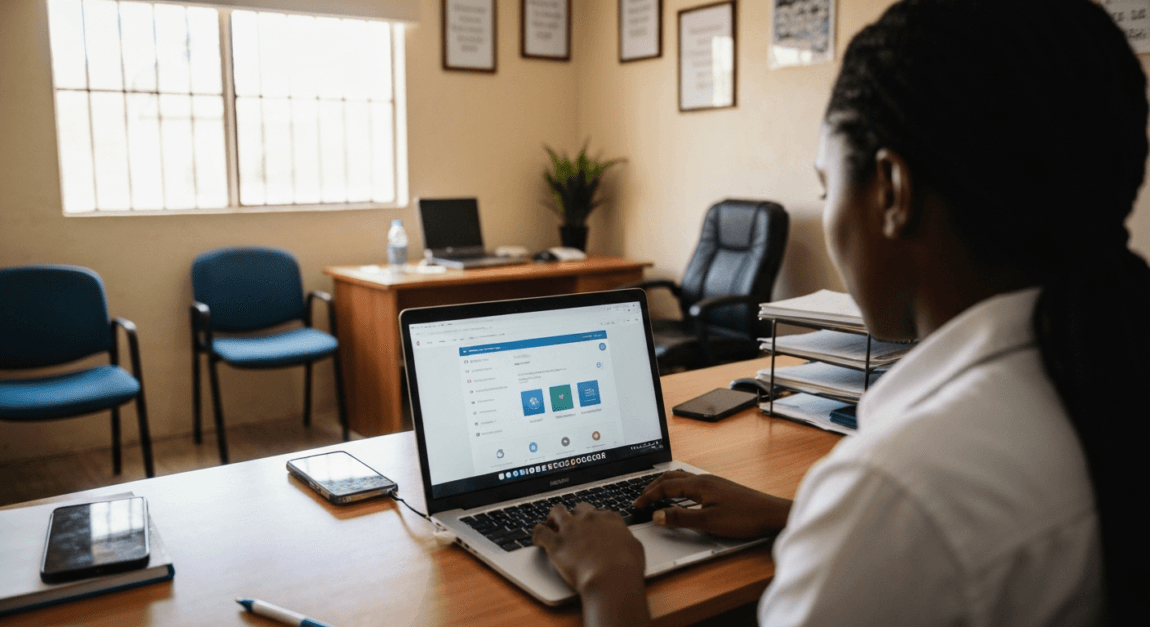
While some small traders still use a manual logbook, digital tools are far more efficient. Software like QuickBooks, Xero, and Sage are popular because they allow you to link your bank accounts and snap photos of receipts. For more local options, see our guide on the best accounting software for small businesses in Botswana.
Best Practices for Botswana Small Businesses
- Separate Accounts: Open a business bank account immediately. Never mix personal groceries with business stock purchases.
- Digital Backups: Use Google Drive or Dropbox to save photos of receipts. Thermal paper receipts (like those from retail shops) often fade over time.
- Mobile Money Tracking: If you use Orange Money or MyZaka for business, download your monthly statements to reconcile your expenses.
Common Pitfalls in Expense Management
Avoiding simple mistakes can save your business from penalties and high tax bills.
1. Mixing Personal and Business Expenses
This is the most common mistake. If you use your personal car for business, you can only claim the portion of expenses related to business travel. Keeping a logbook of your mileage is essential to justify this to BURS.
2. Failing to File Returns on Time
Even if your business is making a loss, you must still file your tax returns. Failing to do so can lead to heavy penalties and make it impossible to get a Tax Clearance Certificate, which is often required for government tenders.
3. Missing the Compliance Checklist
Many new owners forget that their company needs to remain in good standing. Following a compliance checklist ensures you don’t miss filing annual returns with CIPA or tax returns with BURS.

Efficiently managing your tax-deductible business expenses in Botswana is a cornerstone of professional entrepreneurship. By distinguishing between operating and capital expenses, utilizing digital tools, and maintaining strict record-keeping, you set your business up for long-term growth and compliance.
Ready to grow your business visibility in Botswana? Add your business to Lephutshi to get discovered by local customers. If you need help building a search-friendly website or managing your digital presence, visit Lephutshi Developers. To upgrade your own skills or train your team, explore Dithutong today.
Recommended Reading
- Business Taxes in Botswana: An Essential Overview
- Best Accounting Software for Small Business in Botswana
- How to Apply for a Tax Clearance Certificate in Botswana
- Top Finance and Accounting Books for Small Business Owners
- Official BURS Website (External)
FAQ
- How do I track business expenses in Botswana?
The most effective way is to use a dedicated business bank account and accounting software like QuickBooks or Sage. For small-scale traders, maintaining an Excel sheet or a physical logbook with all receipts attached is a good starting point. - What are allowable business expenses according to BURS?
Allowable expenses are those incurred “wholly and exclusively” for business purposes. This includes rent, staff salaries, electricity, marketing, and interest on business loans. - Can I claim my home rent as a business expense?
If you run a home-based business, you may be able to claim a portion of your rent and utilities based on the square footage of the area used exclusively for business. It is best to consult a tax advisor to calculate the correct percentage. - What is the difference between OPEX and CAPEX?
Operating Expenses (OPEX) are daily costs like airtime and fuel. Capital Expenses (CAPEX) are long-term assets like a delivery truck or a laptop. OPEX is usually fully deductible in the current year, while CAPEX is claimed through capital allowances over several years. - What counts as startup expenses?
These are costs incurred before your business starts trading, such as company registration fees with CIPA, market research, and initial setup costs.