

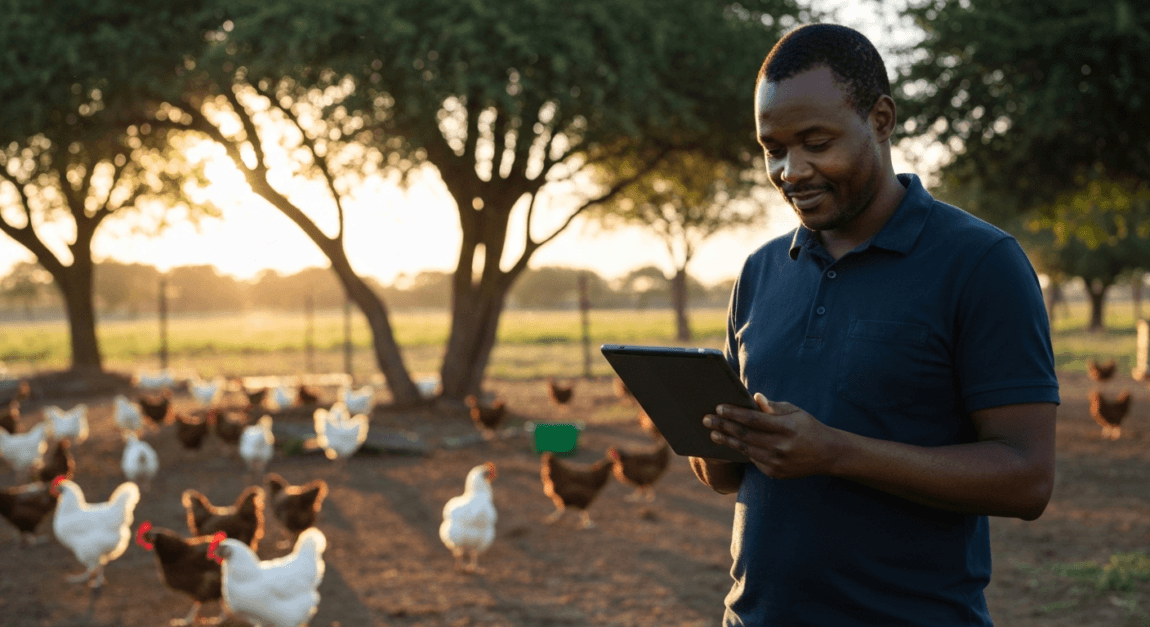
Poultry farming is one of the most popular profitable small business ideas in Botswana, providing essential income and food security for thousands of households. However, a single disease outbreak can wipe out an entire flock in days, turning a promising investment into a major loss. Understanding common poultry diseases and how to prevent them is the most important skill any local farmer can develop.
Whether you are raising broilers for the local market or layers in your backyard, your success depends on a proactive health strategy. In Botswana, our climate and the movement of wild birds mean that diseases like Newcastle and Fowl Pox are constant threats. This guide provides practical, locally relevant advice to keep your birds healthy and your business growing.
Most Common Poultry Diseases in Botswana
Chickens are susceptible to several viruses, bacteria, and parasites. Early detection is key to preventing a farm-wide catastrophe. Here are the most common diseases seen across the country, from Gaborone to Maun.
Newcastle Disease (Likotsi)
Newcastle disease is perhaps the most feared poultry illness in Botswana because it is highly contagious and often fatal. It is caused by a virus and can spread rapidly through contact with infected birds or contaminated equipment.
- Symptoms: Gasping for air, nasal discharge, twisted necks (nervous signs), green watery droppings, and a sudden drop in egg production.
- Prevention: Vaccination is the only effective defense. Ensure your birds are on a strict vaccination schedule from day-old age.
Gumboro Disease (Infectious Bursal Disease)
Gumboro typically targets young chicks (3–6 weeks old), attacking their immune system and making them vulnerable to other infections. It is very hardy and can survive in a poultry house even after a flock has been harvested.
- Symptoms: Droopy feathers, severe diarrhea, tremors, and birds huddling together.
- Local Tip: Because the virus is so resilient, thorough cleaning with strong disinfectants between batches is vital. You can find technical details in this guide to poultry vaccinations.
Coccidiosis
This is a parasitic disease caused by microscopic organisms that live in the soil or litter. It is most common in damp or overcrowded conditions, especially during the rainy season in Botswana.
- Symptoms: Bloody droppings, weight loss, and ruffled feathers.
- Prevention: Keep the floor litter dry and clean. Avoid overcrowding your birds. Many farmers use medicated feed (coccidiostats) as a preventive measure.
Fowl Pox
Often seen in Botswana during the warmer months, Fowl Pox is spread by mosquitoes and contact between birds. While it has a lower mortality rate than Newcastle, it can severely stunt growth and egg production.
- Symptoms: Warty scabs on the comb, wattles, and eyelids (dry form), or cheesy deposits in the mouth and throat (wet form).
Recognizing Symptoms Early
As a farmer, you must spend time observing your flock every day. Recognizing abnormal behavior early can save your business thousands of Pula.

The Symptoms Checklist
- Respiratory: Sneezing, coughing, or rattling sounds when breathing.
- Digestive: Changes in droppings (yellow, green, or bloody) and loss of appetite.
- Behavioral: Extreme lethargy, birds standing still with closed eyes, or huddling under heat lamps when they shouldn’t be cold.
- Physical: Swelling of the head, darkened combs, or unusual discharge from the eyes.
For official regulations and strategic insights, Botswana farmers should refer to the Diseases of Stock (Poultry) Regulations.
Biosecurity: Your First Line of Defense
Biosecurity isn’t just a fancy word; it means keeping germs away from your birds. In Botswana, where many farms are close together, biosecurity is critical for risk management and business continuity.
Essential Biosecurity Steps
- Control Access: Limit the number of people who enter your poultry house. Visitors can carry diseases on their shoes and clothes.
- Foot Baths: Place a basin with disinfectant at the entrance of every poultry house. Anyone entering must dip their shoes.
- Wild Bird Proofing: Use mesh wire to keep wild birds out of the coop, as they are major carriers of Newcastle and Avian Flu.
- Clean Water: Ensure your water source is clean. If you use borehole water, have it tested occasionally. Clean drinkers daily.
Vaccination Schedules and Local Support
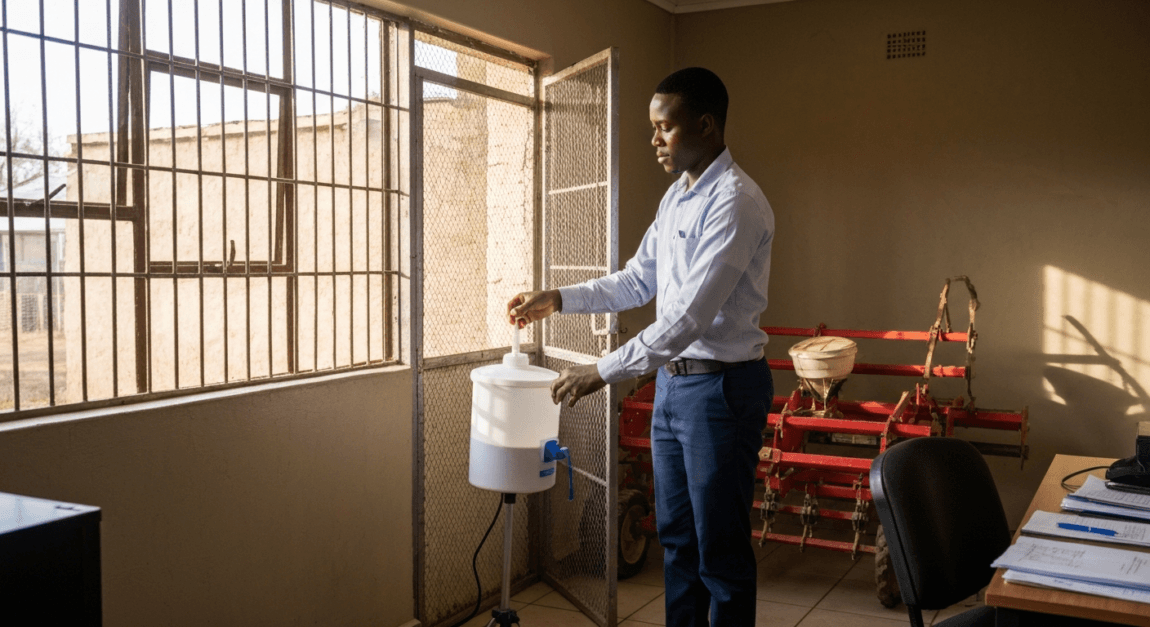
Vaccines are the most cost-effective way to prevent mass deaths. In Botswana, you can purchase vaccines from Livestock Advisory Centres (LACs), the Botswana Vaccine Institute (BVI), or private veterinary shops like Agrifeed.
Key Vaccination Tips
- Cold Chain: Vaccines must be kept cold. When buying them, always carry a cooler box with ice packs. A warm vaccine is a dead vaccine and won’t work.
- Timing: Follow the specific schedule for your breed (Broilers vs. Layers).
- Administration: Most vaccines are given via eye drops or through drinking water. Ensure the water is free of chlorine (use stabilizer or boiled/cooled water) so it doesn’t kill the vaccine.
If you are looking for funding to scale your poultry operations, consider navigating CEDA loans which often support agricultural projects.
When to Isolate and Call for Help
If you notice a sick bird, remove it from the flock immediately and place it in a separate isolation pen. This prevents the disease from spreading while you monitor the situation.
When to Call a Vet
Don’t wait for half the flock to die. Contact a veterinarian or the nearest Department of Veterinary Services office if you see:
- Multiple birds dying suddenly within 24 hours.
- Severe respiratory distress across the flock.
- A significant drop in water and feed consumption.
For government support, visit the Animal Husbandry services page.
Practical Steps for Botswana Poultry Entrepreneurs
Running a successful poultry farm involves more than just bird health; it’s about smart operations.
- Getting Paid: Most local buyers prefer paying via Orange Money, MyZaka, or FNB eWallet. Having these options ready makes selling easier. For larger supply contracts, ensure you can provide professional invoices.
- Logistics: If you don’t have a bakkie, partner with local “man with a van” services for delivery to butcheries or individuals.
- Compliance: While small backyard flocks often don’t require heavy licensing, scaling up may require a trading license and local council health inspections.
Conclusion
Managing poultry health in Botswana requires a mix of vigilance, biosecurity, and timely vaccination. By treating your farm as a professional business and staying informed about common diseases, you can ensure high productivity and long-term sustainability. Prevention is always cheaper than a cure.
Ready to grow your poultry business visibility? Add your business to Lephutshi today. If you need a professional website to market your farm to retailers, contact Lephutshi Developers. To learn more about modern farming techniques, explore the courses on Dithutong.
Recommended Reading
- 15 Profitable Small Business Ideas in Botswana
- Organic Farming: Starting an Eco-Friendly Business
- Compliance Checklist for New Businesses in Botswana
- A Guide to Navigating CEDA Loans for Farmers
- Official Botswana Poultry Production Guidelines
FAQ
- What are the most common poultry diseases in Botswana?
The most frequent threats are Newcastle Disease (Likotsi), Gumboro, Coccidiosis, and Fowl Pox. - Where can I buy poultry vaccines in Botswana?
You can buy vaccines at Livestock Advisory Centres (LACs), the Botswana Vaccine Institute (BVI), and major agricultural stores like Agrifeed. - Why did my birds die even after vaccination?
This often happens if the “cold chain” was broken (vaccines got warm), the birds were already stressed/sick when vaccinated, or the vaccine was administered incorrectly. - How can I prevent Coccidiosis during the rainy season?
Keep your poultry house dry, turn the litter regularly to prevent damp clumps, and avoid overcrowding. Using a coccidiostat in the feed can also help. - Can poultry diseases spread to humans?
While rare, some diseases like Avian Influenza and Salmonella can affect humans. Always wear protective clothing and wash your hands thoroughly after handling birds. - What should I do if I suspect a Newcastle outbreak?
Immediately isolate the sick birds and report the case to your nearest Department of Veterinary Services office for guidance and to prevent a regional outbreak.