

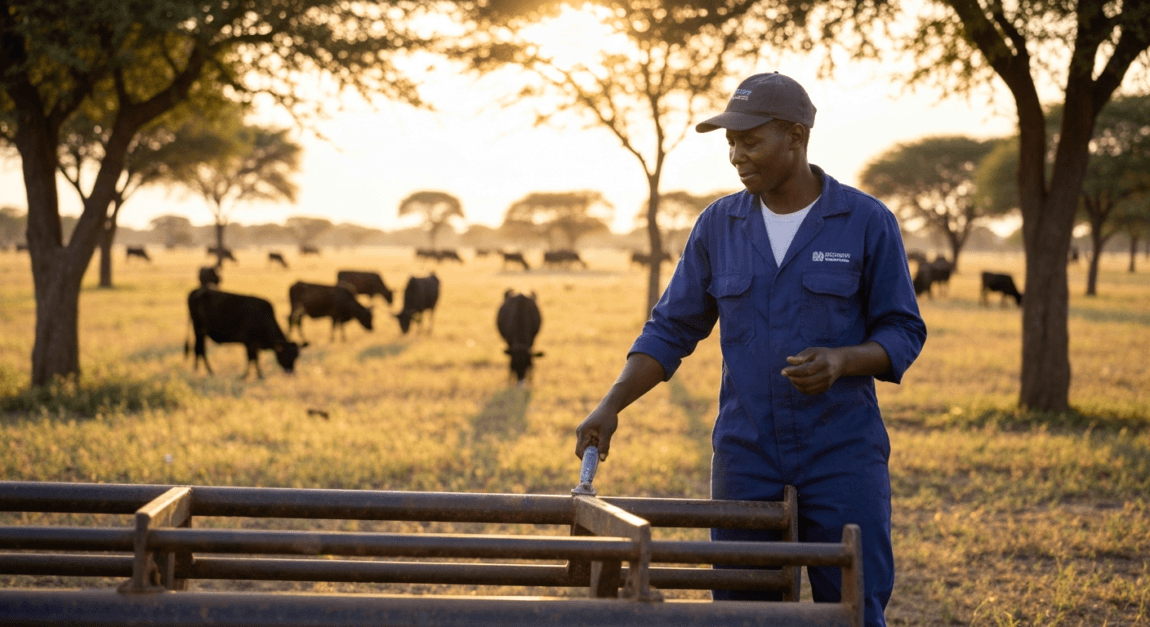
Mechanization is the backbone of modern agriculture in Botswana. Whether you are a small-scale horticulture farmer in Glen Valley or running a large commercial grain farm in Pandamatenga, understanding farm machinery and implements in Botswana is the first step toward efficiency and profitability.
Using the right tools reduces labor costs, saves time, and ensures your crops are planted and harvested at the optimal time. In this guide, we break down the different types of equipment, their uses, and the local reality of buying versus hiring in the Botswana market.
What Are Farm Machinery and Implements?
While often used interchangeably, there is a technical difference between machinery and implements. Understanding this helps when you are applying for funding through CEDA or discussing requirements with a supplier.
Key Definitions for Botswana Farmers
- Farm Machinery: These are motorized, self-powered machines used for heavy tasks. The most common example is the tractor, but it also includes combine harvesters and self-propelled sprayers.
- Farm Implements: These are tools that are pulled, pushed, or powered by a tractor. They don’t move on their own but are essential for specific tasks like ploughing (disc ploughs), seeding (planters), or baling hay.
- Farm Tools: These are basic manual devices like hoes, rakes, and spades used for small-scale gardening or maintenance.
Common Machinery Used in Botswana
In Botswana, certain brands dominate the landscape due to the availability of spare parts and local expertise. You will frequently see Massey Ferguson (MF), John Deere, and Landini tractors. For smaller operations or specialized tasks, the Oxen Power loader and walking tractors are becoming popular choices for their affordability.

Preparation Implements for Botswana Soils
Soil preparation is critical because much of Botswana’s soil is either sandy (Kgalagadi) or hard clay (clays of the North-East). Choosing the wrong implement can damage your equipment or lead to poor crop emergence.
Types of Preparation Tools
- Disc Ploughs: These are the most common in Botswana because they handle dry, hard, and rocky soils better than moldboard ploughs.
- Harrows: Used after ploughing to break up large clods of earth and create a smooth seedbed.
- Rotavators: Excellent for horticulture farmers who need a fine soil texture for vegetables.
Local Cost Reality Check
A new 2nd-hand disc plough can range from P15,000 to P35,000 depending on the number of discs. During the peak ploughing season (typically November to January), hiring a tractor with a plough can cost anywhere from P800 to P1,500 per hectare depending on your location and soil type.
Planting and Seeding Equipment
Precision is everything during planting. If you plant too deep or too shallow, your yield will suffer. Modern planting implements ensure that seeds are spaced evenly and placed at the right depth.
Precision Planters vs. Seed Drills
For crops like maize or sunflowers, a precision planter is ideal as it drops individual seeds at specific intervals. For smaller grains or fodder like Lablab, a seed drill might be more efficient. Investing in a good planter is one of the best profitable small business ideas if you plan to offer contracting services to other farmers.
Spraying and Irrigation Systems
Given Botswana’s semi-arid climate and unpredictable rainfall, irrigation is often the difference between success and failure. Managing pests through effective spraying is also vital.
Irrigation Essentials
- Drip Irrigation: Highly recommended for horticulture to save water.
- Solar Pumps: Many Botswana farms are off-grid. Solar-powered pumps have become the standard for drawing water from boreholes.
- Boom Sprayers: Mounted on tractors, these are used for large-scale pest and weed control.
Maintenance and Logistics
When buying irrigation pipes or sprayers, consider how you will get them to the farm. Most local suppliers in Gaborone or Francistown can arrange delivery via local couriers or 7-ton trucks. For small parts, many farmers use bus parcel services for quick delivery to rural areas.
Harvesting and Post-Harvest Machinery
Once your crop is ready, speed is essential to avoid loss from birds or weather. Large-scale grain farmers use Combine Harvesters, which cut, thresh, and clean the grain in one pass. For smaller farmers, mobile threshers are a more affordable option.
If you are in the cattle industry, Baler machines are essential for harvesting hay and lucerne to keep your livestock fed during the dry winter months. Buying a baler can be expensive, but navigating CEDA loans can help you acquire this machinery to improve your farm’s resilience.
Buying vs. Hiring: Which is Right for You?
This is the most common dilemma for Batswana entrepreneurs. Your decision should be based on your acreage and your cash flow.
When to Hire
If you are farming less than 10 hectares, hiring is usually better. You avoid the high cost of maintenance, the need for a skilled operator, and the “dead capital” of a machine sitting idle for 9 months of the year.
When to Buy
If you have over 50 hectares or plan to do “sub-contracting” (ploughing for others), buying makes sense. It allows you to plant at the exact moment the first rains fall, without waiting for a hired tractor to become available.

Practical Tips for Purchasing
- Check for Spare Parts: Before buying a brand like Sonalika or Ursus, ensure there is a dealer in Botswana (like BH Botswana or Agrifeed) that stocks parts.
- Payment Methods: Most dealers accept EFT (Bank Transfer). For private sales of used implements, Orange Money or FNB eWallet are common for smaller deposits, but always ensure a written agreement is in place.
- Registration: Remember that tractors used on public roads must be registered and licensed through the Department of Road Transport and Safety (DRTS).
Conclusion: Growing Your Agribusiness
Investing in the right farm machinery and implements in Botswana is a journey, not a one-time purchase. Start with the essentials that match your current scale, and as your yields increase, you can look into more advanced technology like GPS-guided tractors or automated irrigation. By staying informed and making smart equipment choices, you position your farm for long-term growth.
Ready to grow your business visibility in Botswana? Add your business to Lephutshi. If you are a supplier of farm equipment, listing your services here helps farmers find you easily. Looking for more business advice? Explore our Botswana Business Blog for more insights.
Recommended Reading
- Navigating CEDA Loans for Botswana Farmers
- Organic Farming: An Eco-Friendly Business Opportunity in Botswana
- Compliance Checklist for New Businesses in Botswana
- Farming Equipment for Sale (Facebook Group)
- Ministry of Agriculture Botswana – Official Website
FAQ
- What are the most essential farm implements for a new farmer in Botswana?
The basics usually include a disc plough for soil preparation and a trailer for transporting produce and supplies. If doing horticulture, a small pump and drip irrigation kit are also essential. - How much does a tractor cost in Botswana?
Used tractors can start from P80,000 for older models (like an MF 290), while new entry-level tractors can cost between P250,000 and P500,000+. Commercial-grade high-horsepower tractors can exceed P1.5 million. - Where can I find farm machinery for sale or hire?
You can check the Lephutshi Directory for local agricultural suppliers, or visit physical dealerships in Gaborone, Francistown, and Pandamatenga. Facebook Marketplace is also a popular place for used implements. - What is the difference between farm implements and machinery?
Machinery refers to motorized, self-powered equipment like tractors. Implements are tools attached to a tractor (like a plough or baler) to perform specific tasks. - Do I need a special license to drive a tractor in Botswana?
Yes, you need a valid driver’s license with the appropriate tractor class (Class H) if you intend to drive the tractor on public roads.