


Construction materials are the foundation of any building project, affecting everything from the final cost to the lifespan of the structure. For Botswana’s entrepreneurs, property developers, and home-builders, choosing the right materials is about more than just aesthetics—it is about durability in our harsh semi-arid climate and managing a tight budget.
Whether you are starting a hardware supply business or building your first rental units, understanding construction materials in Botswana helps you make smarter investments. In this guide, we break down the 12 most common materials and how they perform in the local market.
The 12 Most Common Construction Materials Explained
A diverse range of construction materials is used across Botswana, from the busy streets of Gaborone to rural areas. These materials are generally categorized by their strength, source, and how they are manufactured.
1. Concrete
Concrete is the most used man-made material in the world and a staple in Botswana. It is made from a mix of cement, water, and aggregates (like river sand and crushed stone). It is incredibly strong under compression and is the go-to choice for foundations and slabs.
2. Steel
Used primarily for reinforcement (rebar) in concrete structures or for the frames of large warehouses. Steel is valued for its tension strength. Locally, you will find it used in everything from window frames to structural beams in shopping malls.
3. Wood and Timber
While Botswana is not heavily forested, timber remains essential for roof trusses, doors, and decorative finishes. Treated timber is crucial here to prevent termite damage, which is a common local challenge.
4. Stone
Natural stone is often used for foundations in traditional building or as decorative cladding in modern homes. It is durable and handles the Botswana heat well, providing natural thermal mass.
5. Bricks and Blocks
In Botswana, concrete blocks (usually 4.5-inch or 6-inch) are standard for most residential walls. Burnt clay bricks (stock bricks) are also popular for their durability and classic look. Many local entrepreneurs start small businesses molding and selling these blocks.
6. Metal (Aluminium and Zinc)
Aluminium is widely used for window frames because it does not rust. Zinc-coated steel (IBR or corrugated iron) is the most common roofing material in Botswana due to its cost-effectiveness and ease of installation.
7. Glass
Essential for modern architecture to allow natural light. In Botswana, using tinted or double-glazed glass is becoming more common to help reduce the heat inside buildings during summer.
8. Plastic (PVC)
Used mainly for plumbing pipes, electrical conduits, and sometimes flooring. PVC is lightweight, cheap, and does not corrode, making it ideal for the local building industry.
9. Clay
Used for making traditional huts as well as modern high-quality floor tiles and roof tiles. Clay roof tiles are excellent for insulation but are heavier and more expensive than metal sheets.
10. Bamboo
A newer, sustainable option in the local market. While not yet common for structural use in Botswana, it is increasingly used for flooring and interior design by eco-conscious developers.
11. Composites
These are materials made from two or more constituent materials, like plywood or fiber-cement boards (often used for ceilings). They offer a balance of weight and strength that natural materials sometimes lack.
12. Thatch
A traditional Botswana favorite. Thatch provides incredible natural insulation, keeping buildings cool in summer and warm in winter. It is widely used in the tourism sector for lodges and in residential “lapa” areas.
Practical Building Realities in Botswana
Choosing materials is only half the battle. You also need to consider how to get them and how to pay for them.
Logistics and Delivery
Most major hardware stores like Panda – Building Materials or Builders Botswana offer delivery for a fee. If you are buying from small local block yards, you might need to hire a private 2-ton or 7-ton truck. For small finishing items, many people use local taxis or the “bus parcel” system to send supplies to villages outside the main cities.
Payment Methods
While large suppliers accept EFT and swiping, many local sand and stone suppliers prefer cash or mobile money. Orange Money, eWallet, and MyZaka are standard ways to pay for loads of river sand or pit sand quickly while on-site. If you are a contractor, keeping digital receipts of these transfers is vital for your business tax records.
Climate and Performance
Botswana’s sun is intense. Materials like plastic can degrade quickly if not UV-protected. When choosing paint or roofing, look for products specifically rated for high UV exposure. For those interested in alternatives, exploring Sustainable and Prefab Building Ideas can offer cooler, faster-to-build options.
Managing Costs and Quality
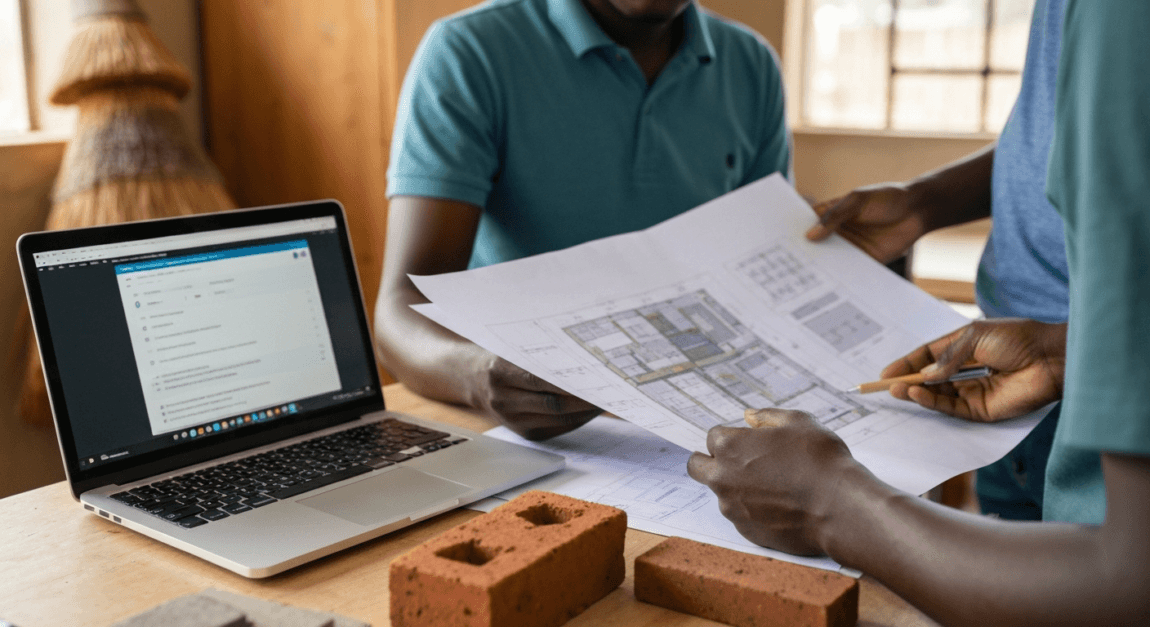
Construction costs can spiral if you don’t plan. Prices for cement and steel can fluctuate based on import costs from South Africa. It is wise to use a construction cost estimation guide before you break ground.
Pro-Tip: Buying in bulk often secures a discount, but ensure you have a secure place on-site to store materials like cement, which can spoil if it gets damp or be at risk of theft.
Compliance and Permits
Before buying your 12 materials, ensure your project is legal. You generally need a building permit from your local Town or District Council. If you are starting a business in this sector, make sure you understand the compliance checklist for new businesses. For large-scale projects, you may also need an Environmental Impact Assessment (EIA) to ensure your material sourcing doesn’t harm the local environment.
Conclusion
Mastering the use of common construction materials in Botswana allows you to build structures that are safe, cost-effective, and suited to our unique environment. Whether you are a homeowner or a growing construction entrepreneur, your choice of material is the first step toward long-term success. Ready to grow your business visibility? Add your business to Lephutshi today or explore our blog for more local business tips.
Recommended Reading
- Construction Cost Estimation Guide for Botswana
- Sustainable and Prefab Building Ideas in Botswana
- Profitable Small Business Ideas in Botswana
- Research: Sustainable Construction Industry in Botswana
- Eezzebuild – Local Building Solutions
FAQ
- What are the 12 types of construction materials?
Common construction materials include concrete, steel, wood, stone, brick, metal, glass, plastic, clay, bamboo, composites, and thatch. - Which material is best for building a house in Botswana?
Concrete blocks and bricks are most popular for their durability and thermal properties in Botswana’s heat. Metal sheets (IBR) are the most common roofing choice. - What materials are used for foundations?
Concrete reinforced with steel (rebar), stone, and properly compacted soil are the standards for strong foundations. - How can I save money on building materials?
Buy in bulk, source sand and stones from licensed local suppliers near your site to save on transport, and compare prices between major hardware stores and local manufacturers. - Do I need a permit to start building in Botswana?
Yes, most structural building requires a permit from your local District or Town Council. You should also check if your contractor is registered.