


In today’s competitive agribusiness environment, simply harvesting and selling raw produce often leaves farmers at the mercy of fluctuating market prices. Understanding agricultural value addition examples is the key for Botswana entrepreneurs who want to move beyond traditional farming and increase their profit margins. By processing raw goods, you transform from a “price-taker” into a “price-maker.”
What is Agricultural Value Addition?
Agricultural value addition involves any process that increases the economic value and consumer appeal of a raw agricultural product. Instead of selling a bag of raw sorghum, you mill it, package it, and brand it as premium mabele. This transformation—often called agro-processing—helps local farmers reach more customers and keep more money in their pockets.
The Importance of Value Addition in Botswana
For many profitable small business ideas in Botswana, value addition is the secret sauce. It helps mitigate the risks of spoilage, creates local employment, and strengthens our food security. By diversifying your product line, you create financial stability that raw farming alone rarely provides.
Profitable Agricultural Value Addition Examples for Crops
Turning local crops into shelf-stable, high-demand products can start small from a home kitchen or a small workshop.
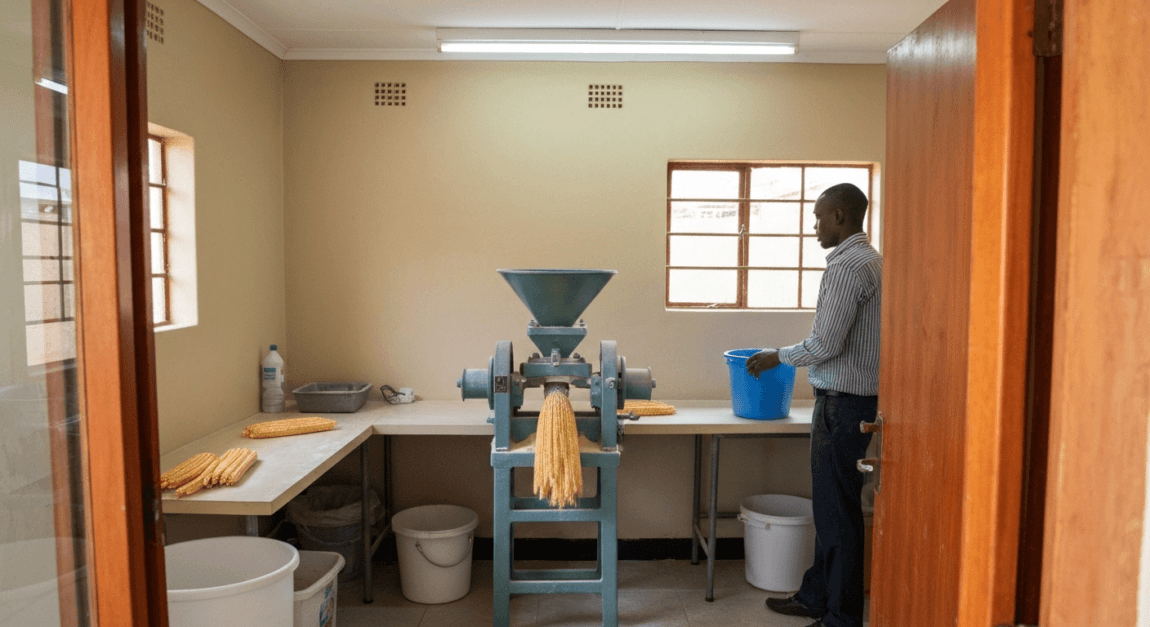
1. Maize and Grain Milling
Maize is a staple in Botswana. Selling raw maize often yields low returns, but milling it into maize meal (samp or flour) increases its value significantly. You can also package the bran as livestock feed, ensuring zero waste.
2. Groundnut Processing
Instead of selling buckets of raw groundnuts at the taxi rank, consider making peanut butter. With a basic industrial blender, you can produce smooth or crunchy peanut butter, or even honey-roasted nut snacks. This extends the shelf life from weeks to months.
Value Addition for Livestock, Dairy, and Fruits
Livestock and horticulture offer some of the most lucrative agricultural value addition examples due to the high demand for processed food in urban areas like Gaborone and Francistown.
Dairy and Poultry Transformations
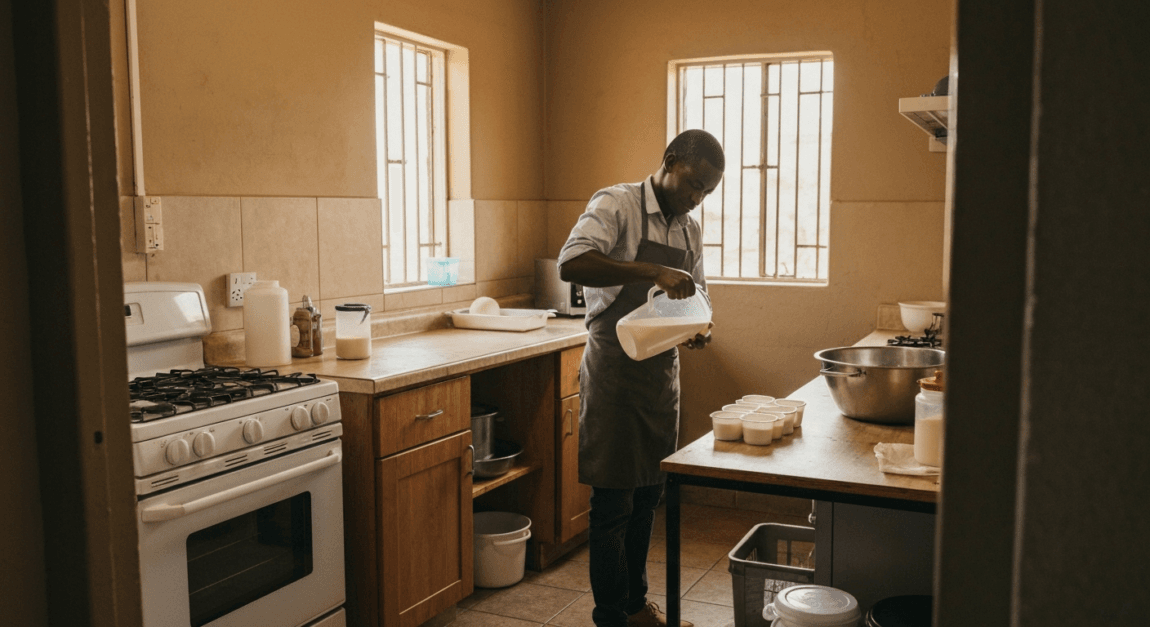
If you have dairy cows, selling raw milk is risky due to spoilage. Transforming that milk into yogurt, madila (sour milk), or artisanal cheese can triple your revenue. Similarly, poultry farmers can move into “value-added meats” by offering pre-marinated braai packs or processed polonies.
Fruit Preservation and Horticulture
Surplus tomatoes can be turned into tomato jam or dried sun-dried tomatoes. Oranges and mangoes can be processed into pure fruit juices or dried fruit rolls (fruit leather), which are popular in local retail shops.
The Power of Packaging and Branding
One of the most overlooked agricultural value addition examples is simple packaging. A product’s “value” in the eyes of a customer often comes down to how it is presented.
Effective Packaging Strategies
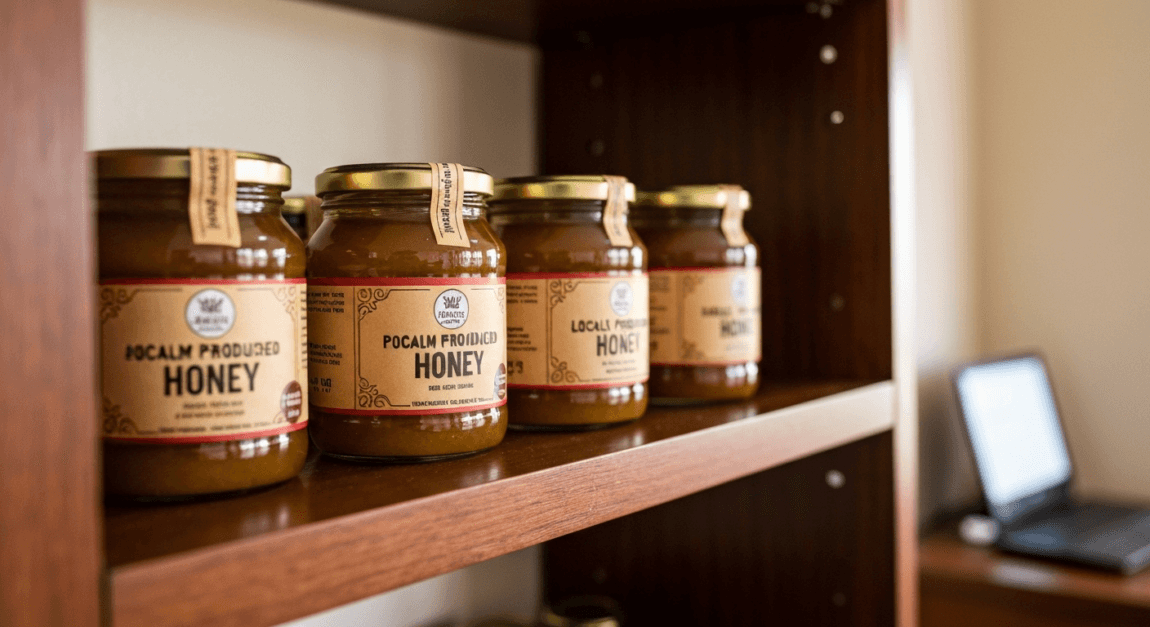
Good packaging protects the product and makes it retail-ready. Whether it is glass jars for honey or branded pouches for dried beans, investing in quality materials helps you compete with imported goods on supermarket shelves.
Branding Your Heritage
Use your brand to tell a story. Mentioning that your products are “Proudly Botswana” or locally sourced can attract loyal customers. If you are just starting, you can learn about protecting your brand to ensure your hard work is legally secured.
Local Operational Reality: Starting Your Agro-Processing Business
To succeed in Botswana, you need to navigate the practical side of business operations:
- Startup Costs: Small-scale value addition (like jam making or nut roasting) can start with as little as P2,000 – P5,000. Larger operations like grain milling may require P20,000+.
- Getting Paid: Most local customers prefer Orange Money, eWallet, or MyZaka. For retail supply, you will need a business bank account to receive EFT payments.
- Logistics: For small batches, using local taxi or bus parcel services is a cost-effective way to send products to customers in other villages. For larger volumes, look into Botswana transport and logistics options.
- Compliance: Food products usually require a Health Permit from your local council and may need to comply with the Food Control Act. You should also register your company with CIPA (OBRS) to trade formally.
Pricing and Profit Margins
When setting prices for your value-added products, don’t just guess. Calculate your total costs, including packaging, electricity, transport, and labor. Aim for a margin that allows you to reinvest in better machinery over time. Many entrepreneurs find that strategic management is the difference between a side hustle and a sustainable company.
Conclusion: Taking the Next Step in Botswana Agribusiness
Agricultural value addition transforms farming from a survival activity into a thriving business. By looking at these examples—from milling to branding—you can find a path that fits your budget and skills. Start small, focus on quality, and build your brand one customer at a time.
Ready to grow your business visibility in Botswana? Add your business to Lephutshi so customers can find your products. If you need a professional website to sell your goods online, reach out to Lephutshi Developers. To learn more entrepreneurial skills, explore the courses at Dithutong today.
Recommended Reading
- How to Start a Business in Botswana: A Step-by-Step Guide
- The Ultimate Guide to Getting Business Funding in Botswana
- FAO: Country Case Studies on Agriculture and Trade
- Botswana Investment and Trade Centre (BITC) Official Site
- Understanding the Trading License Requirements in Botswana
FAQ
- What is agricultural value addition?
It is the process of increasing the market value and shelf life of raw farm products through processing, packaging, and branding (e.g., turning milk into yogurt). - What are common agricultural value addition examples in Botswana?
Popular examples include milling maize/sorghum, making peanut butter, producing madila, drying fruits, and packaging honey. - Do I need a license for agro-processing in Botswana?
Yes, most food-related businesses require a health permit from the local town or district council and a trading license. Consult your local council for specific requirements. - How can I market my value-added products?
You can use WhatsApp Business, Facebook groups, and local markets. Listing your business on a directory like Lephutshi also helps retail buyers find you. - Is value addition expensive to start?
Not necessarily. You can start small with home kitchen equipment (for jams or pickles) and scale up as you grow your profits.