


Are you considering franchising as the next big move for your business in Botswana? If you have a successful shop in Gaborone and dream of seeing your brand in Francistown, Maun, or Kasane, franchising is one of the most powerful ways to scale. It allows you to grow rapidly using the capital and hustle of other entrepreneurs (franchisees).
However, franchising isn’t just about selling a name; it’s about selling a proven system. Successful local examples like Choppies, Sefalana, or various fast-food outlets show that consistency is the secret sauce. Before you dive in, you need to know if your enterprise is truly ready to be replicated.
Is Your Business Ready to Franchise?
Preparation is the difference between a thriving franchise network and a legal headache. In Botswana, you must assess if your business model can survive without you being there every day. Ask yourself: **Does my business have a replicable model?**
Consider factors like market demand outside your current neighborhood, your unique selling proposition (USP), and how easily someone else can learn your operations. It is often helpful to understand the pros and cons of franchising before committing.
Action Steps to Assess Readiness:
- Review your current profitability; a franchise must be profitable for both you and the franchisee.
- Check your brand protection. Have you registered your trademark with CIPA?
- Seek advice from local business consultants or existing franchisors in the Botswana market.
- Look into how to start a franchise in Botswana from the franchisee’s perspective to understand their expectations.
Step 1: Strengthen & Document Your Business Model

A solid business model is the backbone of any franchise. You need to **document detailed workflows**, from how you greet a customer at the door to how you balance the books at the end of the day. In Botswana, where logistics can be a challenge, your model needs to be robust enough to handle supply chain variations.
Key Focus Areas:
- Define your core operational procedures (SOPs).
- Map out your supply chain (where do you get your stock?).
- Prepare to adapt your model based on local market insights while keeping the brand identity intact.
Step 2: Develop a Comprehensive Operations Manual & Training
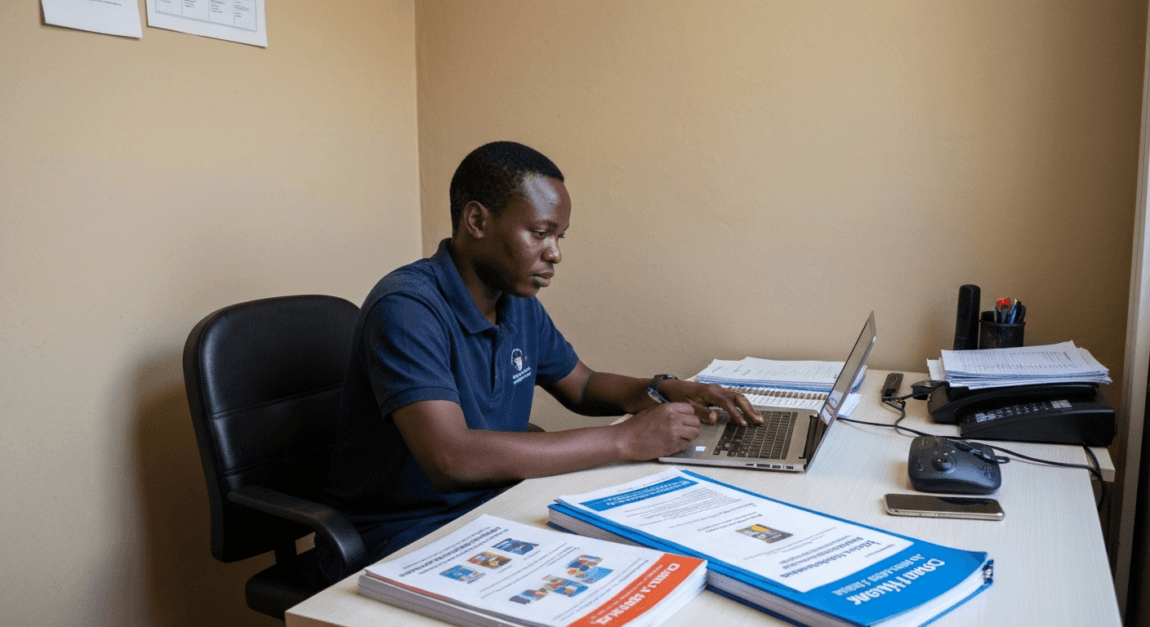
The operations manual is your “business in a box.” It ensures that a customer gets the same experience in Palapye as they do in Gaborone. Your training program should be hands-on. Consider using tools like WhatsApp for quick updates or Dithutong to host digital training modules for staff.
Action Checklist:
- Draft a manual covering: Site selection, Marketing, Daily Operations, and Financial Reporting.
- Develop a 1–2 week training program for new franchisees.
- Include a “Local Reality” section—handling power outages, local council permits, and water issues.
Step 3: Legal & Franchise Disclosure Documents

Legal compliance is non-negotiable. While Botswana does not have a specific “Franchise Act” like some other countries, your business falls under the Consumer Protection Act and general contract law. You need a rock-solid Franchise Agreement.
What legal documents do I need?
You will typically need a Franchise Disclosure Document (FDD), which gives potential investors the facts about your business, and a Franchise Agreement, which is the binding contract. Ensure you are fully compliant with company registration requirements and tax laws via BURS.
Step 4: Pilot Your Franchise Location
Before you sell the concept to others, prove it works in a different environment. If your first shop is in a Gaborone mall, try a pilot in a standalone building or a smaller town like Molepolole. This allows you to test your operations and quality control from a distance.
Pilot Implementation:
- Select a location with different demographics to test versatility.
- Gather data: Is the revenue enough to cover the franchise royalty fees?
- Adjust your manual based on the challenges faced during the pilot.
Step 5: Marketing to Recruit the Right Franchisees
Your franchisees are your partners, not just employees. You need people with the right mindset and capital. Use local advertising strategies to reach potential investors. LinkedIn and Facebook groups for Botswana entrepreneurs are excellent places to start.
Marketing Actions:
- Create a “Franchise Opportunity” page on your website (or ask Lephutshi Developers to build one).
- Be transparent about the startup costs and funding options like CEDA.
- List your business on the Lephutshi business directory to increase brand visibility.
Steps 6-9: Launch, Support, and Growth Strategy
Once you sign your first franchisee, the real work begins. Launching requires a “Grand Opening” plan. After the launch, your role shifts to support and brand management. You should offer regular check-ins and marketing support to ensure they succeed.
Critical Success Factors for Franchisors:
- Step 6 (Launch): Provide an on-site support team for the first week of opening.
- Step 7 (Ongoing Support): Use automation and BPM tools to monitor sales and stock levels.
- Step 8 (Quality Control): Conduct “mystery shopper” visits to ensure standards are kept.
- Step 9 (Strategic Growth): Don’t expand too fast. Scale as your supply chain and support team can handle it.
Realistic Costs and Logistics in Botswana
When franchising in Botswana, consider the local operational costs:
- Startup Capital: Setting up a franchise system (legal, manuals, branding) can range from P50,000 to over P200,000 depending on complexity.
- Getting Paid: Most franchisors collect a monthly royalty (e.g., 5-10% of turnover). Ensure your franchisees use reliable systems to accept online and card payments for transparent accounting.
- Logistics: If you supply ingredients or products, consider local couriers or your own delivery truck for routes like Gaborone-Francistown.
Conclusion: Start Your Expansion Journey
Franchising is a journey that transforms you from a business owner into a brand leader. By following these 9 steps—from documenting your model to supporting your partners—you can build a legacy that spans across Botswana and beyond. Remember, your success is now tied to the success of your franchisees.
Ready to get your brand discovered by potential partners? Add your business listing to Lephutshi today. If you need a professional digital presence to attract investors, contact Lephutshi Developers for expert SEO and website design.
Recommended Reading
- Top Franchise Opportunities in Botswana
- CIPA – Register Your Trademark
- Franchise Legal Checklist & Red Flags
- Best Books on Scaling Your Business
FAQ
1. How do you franchise your own business in Botswana?
Franchising involves proving your model is profitable, documenting every process into an operations manual, creating a legal franchise agreement, and recruiting partners who can replicate your success in new locations.
2. What are the 9 steps to franchise a business?
The steps are: Assessing readiness, documenting the business model, creating operations manuals, preparing legal documents (FDD/Agreement), piloting a new location, marketing for franchisees, launching, providing ongoing support, and managing strategic growth.
3. Do I need a special license to be a franchisor in Botswana?
While there isn’t a specific “Franchisor License,” you must have a valid trading license for your own operations, be tax-compliant with BURS, and it is highly recommended to register your trademark with CIPA to protect your brand.
4. How much does it cost to turn a business into a franchise?
Costs vary widely, but expect to spend on legal fees for contracts, professional manual writing, brand development, and marketing. Initial costs in Botswana can range from P50,000 upwards.
5. How do I protect my brand during franchising?
Protection starts with a trademark at CIPA. Secondly, your Franchise Agreement should have strict clauses about how your logo, name, and secret recipes/processes are used and what happens if the contract is terminated.