
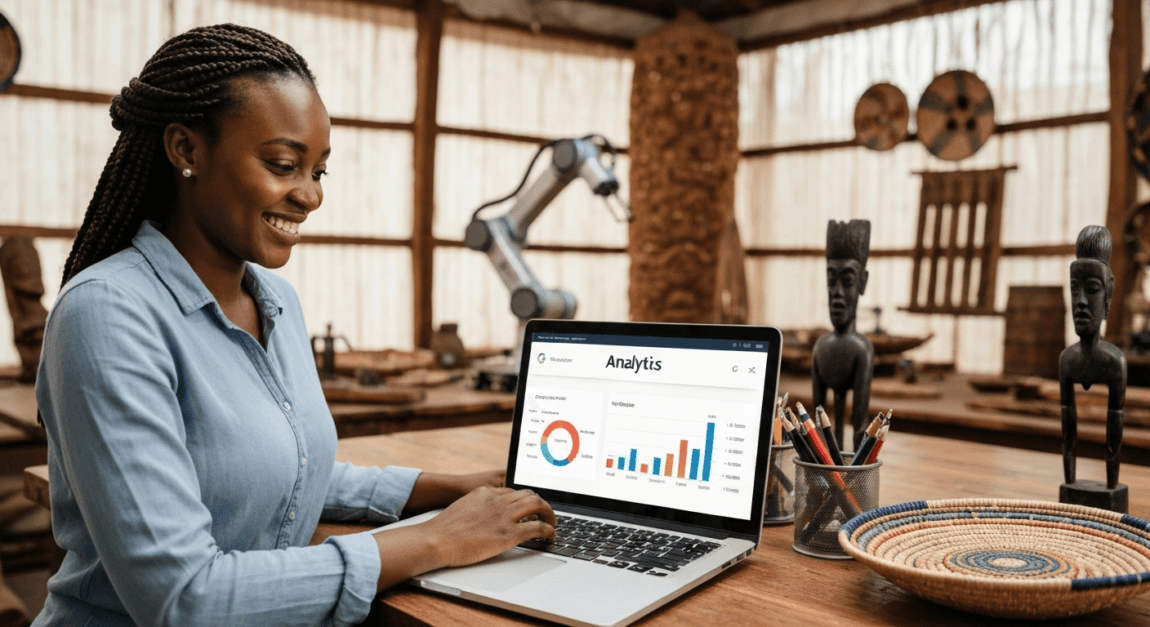
With technological advancements reshaping industries worldwide, Botswana is gradually embracing automation and AI to enhance business operations. This movement is not limited to large international corporations but has also begun to influence local SMEs, which form the backbone of the economy.
Introduction
AI and automation are more than Silicon Valley buzzwords; they are practical tools that can revolutionize businesses in Botswana. By understanding and implementing these technologies, local businesses can increase efficiency, reduce errors, and make data-driven decisions to navigate the competitive market.
Global AI Trends and Botswana’s Progress
Global advancements in AI have set a precedent, and Botswana is starting to catch up by integrating these technologies in various sectors. Key projects like the smart city initiative showcase the country’s potential as an emerging African tech hub.
Local Business Success Stories
Several local businesses have already witnessed success through AI and automation. For instance, companies in manufacturing and logistics are using robotics to streamline operations, while retail sectors have adopted automated customer service tools for better client interaction.

Current State in Botswana
While AI adoption is still in its infancy in Botswana, signs of progress are evident. Government support and policy initiatives are pivotal in creating an environment conducive to digital innovation.
Industry Adoption Examples
Industries such as healthcare and finance have begun to integrate AI for diagnostics and risk assessment, demonstrating the practical benefits of these technologies.
Government and Policy Support
The Botswanan government is actively promoting digital innovation through policies that encourage research and development. These initiatives are crucial for fostering a tech-savvy business environment.

Benefits of Automation & AI
Automation and AI offer significant advantages to businesses, enhancing overall productivity and operational efficiency.
Increased Productivity and Reduced Errors
By automating repetitive tasks, businesses can significantly increase productivity and minimize human errors, allowing employees to focus on strategic activities.
Cost Savings and Data-Driven Decisions
The implementation of AI not only reduces operational costs but also facilitates data-driven decision-making, leading to more strategic and informed business choices.
Practical Automation for SMEs
Even small businesses can harness the power of AI and automation without substantial financial investment, making these technologies accessible to all.

Repetitive Tasks SMEs Can Automate
Tasks like invoicing, inventory management, and customer feedback collection can be easily automated, freeing up valuable resources.
Simple Tools and Strategies
Utilizing simple AI tools like chatbots for customer service or automated email systems can greatly enhance operational efficiency without breaking the bank.
AI Use Cases in Business
AI can transform various facets of business operations, from customer service to maintenance.
Customer Service Innovations
AI-powered chatbots can handle customer inquiries 24/7, improving customer satisfaction and freeing staff for more complex tasks.
Advanced Analytics for Decision Making
By leveraging AI-driven analytics, businesses can gain deeper insights into consumer behavior and market trends.
AI in Operations and Maintenance
Predictive maintenance facilitated by AI can help avoid equipment failures, further reducing costs and downtime.
Overcoming Challenges
Adopting AI isn’t without challenges, but with strategic approaches, these hurdles can be overcome.
Managing Costs and Digital Skills Gap
Businesses should look for cost-effective solutions and invest in digital skills training for their workforce, turning challenges into opportunities.
Addressing Job Displacement Fears
While AI may automate certain tasks, it also creates new job opportunities in tech maintenance and operation, offering retraining as a solution for those affected.
Future Outlook
Looking towards the future, Botswana aims to become a leader in technological integration within Africa.
Botswana’s Vision for Tech Integration
The government’s vision includes expanding digital infrastructure and promoting AI initiatives to foster a tech-driven economy.
AI Initiatives and Education Programs
Programs focused on AI and digital skills education will be essential for preparing the next generation of Botswanan professionals to thrive in an automated world.
Conclusion
In conclusion, AI and automation present numerous opportunities for Botswana’s businesses, enhancing productivity, reducing costs, and fostering innovation. By addressing local challenges and leveraging these technologies, businesses can not only survive but thrive in the modern economy.
Ready to grow your business visibility in Botswana? Add your business to Lephutshi. Need a professional website or online promotion? Visit Lephutshi Developers. Want to learn or teach skills online? Explore Dithutong today.
Recommended Reading
- SME Cloud Adoption in Botswana: Its Challenges and Successes
- How AI Future-Proofs Businesses in Botswana | Tshepiso Daniel …
- Digital Transformation in Botswana 2025 – TuffleIQ Technologies
FAQ
- Are companies in Botswana using AI or automation?
Yes, companies in various industries such as healthcare, finance, and logistics are beginning to adopt AI and automation to improve efficiency and service delivery. - How can AI help my business operations?
AI can automate repetitive tasks, provide data-driven insights, improve customer service through chatbots, and help predict maintenance needs, thereby increasing your business’s overall efficiency and decision-making. - What processes can a small business automate?
Small businesses can automate tasks like invoicing, inventory management, customer service inquiries, and social media interactions using affordable AI tools. - Will automation affect jobs in Botswana?
While some jobs may be affected, automation also creates new opportunities in areas like tech management and digital services. Upskilling and retraining can help workers transition to these new roles.