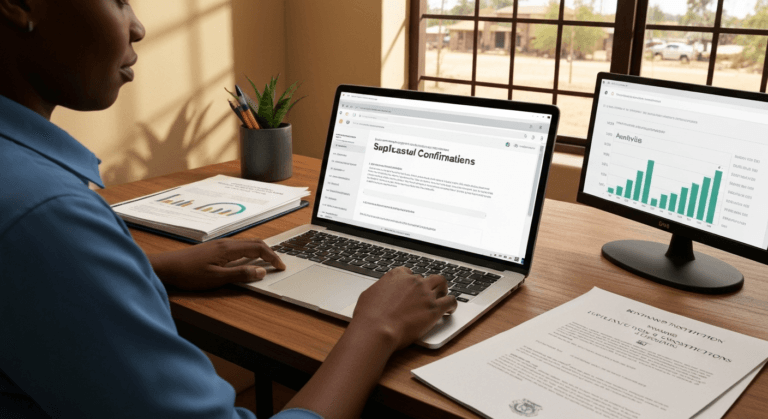

In Botswana’s evolving entrepreneurship landscape, one of the most powerful tools to fuel small and medium-sized business growth is funding from the Citizen Entrepreneurial Development Agency (CEDA). With its tailored financial products and emphasis on citizen empowerment, CEDA gives local entrepreneurs a lifeline to launch or scale their businesses.
Introduction
CEDA continues to be a game-changing entity in Botswana’s development finance space. The agency isn’t a traditional bank—it was created specifically to foster local enterprise and diversify the economy.
CEDA’s mission and what makes it unique in Botswana
CEDA exists to support citizen-owned businesses through funding and mentorship. Unlike banks focused purely on returns, CEDA prioritises impact – job creation, skills development, and national economic growth.
Why CEDA loans attract local entrepreneurs
Low interest rates, long repayment periods, and the option of partial grants for youth and strategic sectors make CEDA loans especially attractive. In contrast to standard commercial lending, CEDA is deliberately inclusive.
The responsibility behind receiving CEDA funding
Funding comes with expectations: applicants must show clear business viability, owner contribution, and strong personal accountability. As CEDA teams often note, unrealistic projections and lack of planning are key reasons for rejection.
Types of CEDA Financing Products
CEDA delivers tailored financial products depending on business size, sector, and strategic focus areas – from sole trader operations to large industrial scale ventures.
Micro and Small Business Loans
Typical funding caps and eligibility
These loans cater to businesses requiring less than P500,000. Examples include small retailers, service providers, or post-startup projects. Micro loans can cover working capital, equipment, and expansion.
Suitable business types for smaller loans
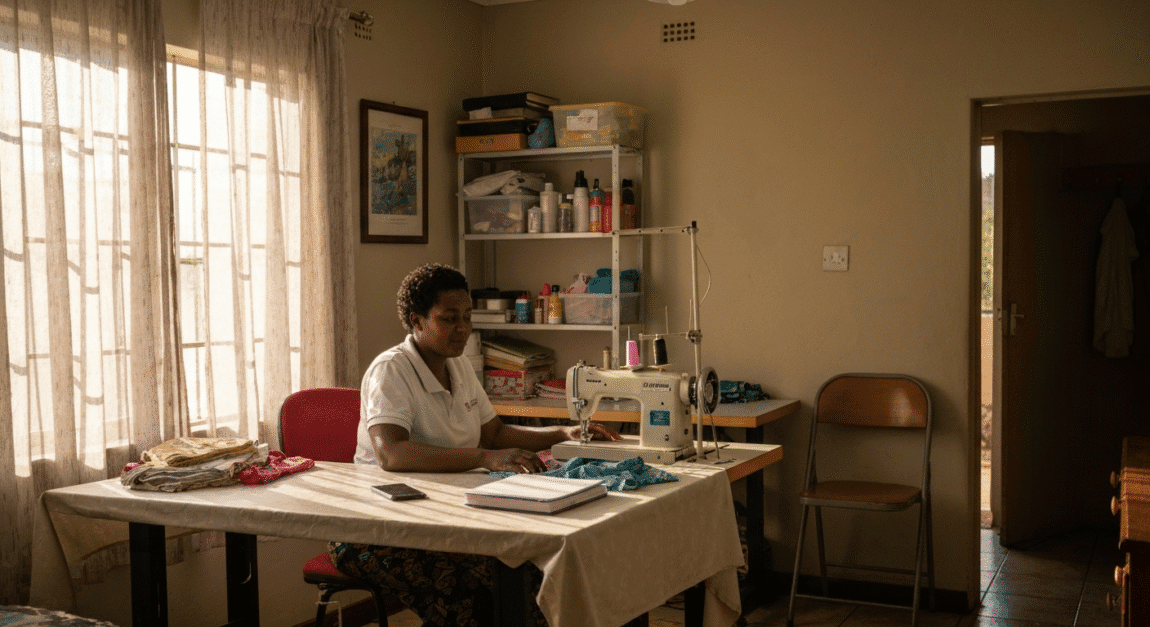
Street vendors, hair salons, agricultural inputs resellers, bakeries, and mobile mechanics are common beneficiaries.
Medium to Large Scale Project Financing
Funding range and qualified industries
CEDA can finance up to P50 million for larger operations in manufacturing, construction, logistics, and more. The bigger the proposal, the more thorough the evaluation process.
CEDA’s approach to joint ventures and high-value projects
For strategic sectors, CEDA can co-invest through equity or hybrid financing. This applies mostly to projects with high job creation potential or import substitution goals.
Specialised Funding Programs
Agricultural, youth and women-oriented schemes
CEDA supports targeted groups through sector-specific funding. Women-led agribusinesses or youth in digital services, for example, can access tailored loans with mentoring and partial grants.
Youth Development Fund (YDF) vs CEDA programs
While YDF focuses on fully grant-based small projects, CEDA provides structured loans with partial grant components in youth-led initiatives. CEDA suits entrepreneurs ready to scale.
Who is Eligible for CEDA Loans in Botswana?
Whether you’re starting or expanding, applicants must meet basic criteria to apply for CEDA funding packages.
Key CEDA requirements for business loan eligibility
Applicants must be Botswana citizens aged 18 or older, with a registered business or a viable new idea. Where possible, financial contributions from owners are encouraged.
Sector focus and business registration obligations
Your business must operate in a sector supported by CEDA – including agriculture, manufacturing, services, and tourism. Registration with BURS and CIPA is standard.
Ownership structure and citizenship requirements
CEDA funding is limited to 100% citizen-owned or majority citizen shareholding. Foreign nationals in joint ownership structures are advised to consider commercial loans or alternative funding.
How to Apply for CEDA Funding
Application success depends heavily on preparedness, transparency, and alignment with CEDA objectives.
Preparing your application: key documents and proposal development
You’ll need a properly formatted business plan (including forecast financial statements), certified IDs, bank statements, and proof of registration. Templates are available at CEDA offices.

Step-by-step: from form submission to site visits
- Collect and prepare all required documents
- Visit your local CEDA office for in-person advisory
- Submit your complete application
- Participate in interviews and site inspections
- Await decision (can take weeks to months)
Understanding the evaluation process and loan decision timelines
CEDA evaluates viability, owner experience, market research, and repayment ability. Site visits and committee reviews are standard. Official timelines vary by project size, from a few weeks to several months.

Required Documents for a Successful CEDA Application
Ensure your documents match what CEDA requires exactly – missing documents are a top reason for delays.
Checklist: business plans, IDs, forecasts, incorporation
- Certified Omang (ID)
- Business registration certificates
- BURS registration and compliance
- Bank statements (6–12 months)
- Detailed business proposal with projections
- Proof of residence
How to build a compelling and viable project proposal
Include clear financials (expenses vs. income), realistic timelines, defined customer targets, risk analysis, and owner contributions. Attend a CEDA-funded training for extra credibility.
Tips to Improve Your Chance of Approval
Treat your application like a business investor pitch—convince CEDA you’re serious, prepared, and committed.
Avoid these common CEDA application mistakes
- Overestimating income or understating costs
- No proof of market research
- Submitting templates without customization
- Missing documents or unprepared interviews
Aligning with national priorities like job creation
According to parliament transcripts, CEDA aims to fund ideas that reduce reliance on imports and create employment – tailoring your project’s impact in these areas boosts your odds.
Demonstrating commitment: owner contributions and training attendance
Showing personal investment (cash, time, training) helps prove commitment. Attending entrepreneurship workshops funded or recommended by CEDA helps, too.
CEDA vs Other Funding Alternatives in Botswana
Many SMEs weigh between CEDA loans, bank loans, and grant-type schemes. Knowing their differences helps in choosing the right fit.
Comparing interest rates, terms, and support between CEDA and banks
CEDA loans often carry longer grace periods and interest rates adjusted to empower citizens, while commercial banks require strong credit histories and collateral. Learn more in our guide on Business Loans in Botswana.
When to consider grants like YDF or hybrid strategies
Due to grant options for early stage and youth businesses, YDF may be suitable for entrepreneurs not yet ready for loan obligations. Combining phased CEDA loans with internal savings for scaling is often effective.
Conclusion
Accessing CEDA funding is one of the most empowering steps a local entrepreneur can take in Botswana. With clear preparation, a strong proposal, and alignment with CEDA’s development objectives, your project could receive the backing needed to grow jobs, impact the community, and scale operations sustainably.
Ready to grow your business visibility in Botswana? Add your business to Lephutshi. Need a professional website or online promotion? Visit Lephutshi Developers. Want to learn or teach skills online? Explore Dithutong today.
Recommended Reading
- SONA Meeting Highlights: National Priorities for SME Support
- 2025 Budget Statement: Government Investment in Entrepreneurship
- Parliamentary Debate: Boosting CEDA Impact for SMEs
- Bank of Botswana Insights: Liquidity and Lending Trends
- Cross-Border Trade and SME Strategies
FAQ
- How do I qualify for a CEDA loan?
You must be a Botswana citizen aged 18 or older with a registered business or viable business idea in a CEDA-supported sector. Submission of a proper business plan and personal commitment is essential. - What are the requirements for CEDA business loans?
Key requirements include certified Omang, business registration documents, BURS compliance, bank statements, and a clear, viable business proposal that shows potential for growth and job creation. - How long does CEDA take to approve a loan?
It varies based on business size and complexity. Small projects may be approved in 4–8 weeks, while medium to large-scale applications could take several months due to evaluations and site visits. - Is CEDA a grant or a loan?
CEDA provides development loans, but some programs (especially for youth and agriculture) include partial grant components. Full grants are available under separate schemes like YDF.