

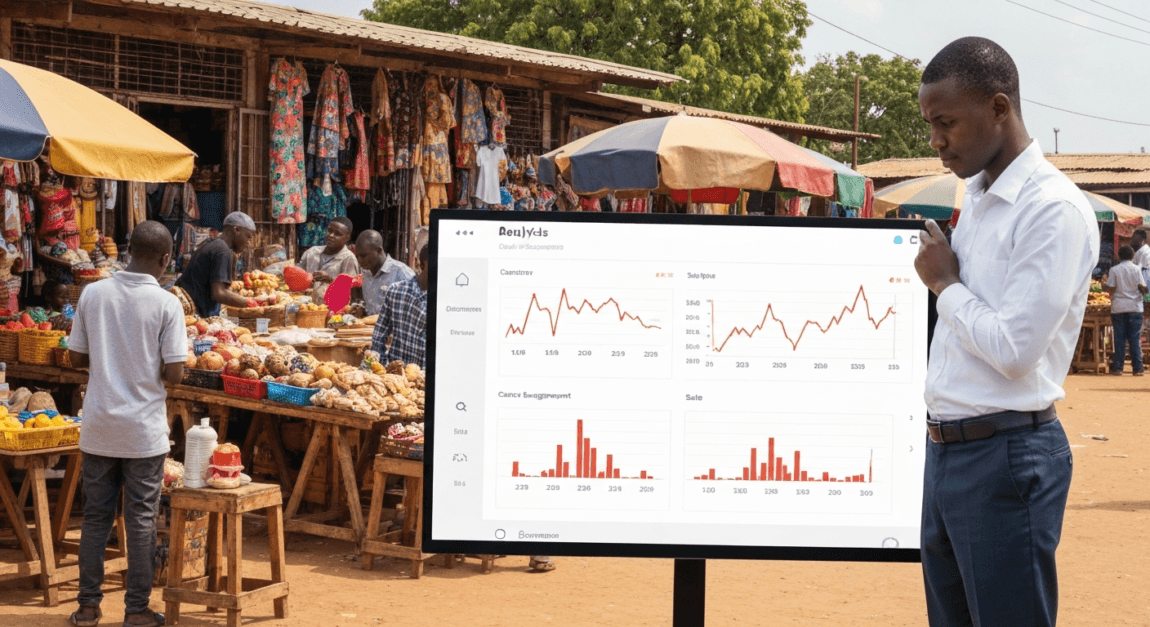
Scaling a business in Botswana is an exciting milestone, but it comes with a major risk: the ‘owner’s trap.’ This happens when a business grows so fast that the quality of service or product drops because the founder can no longer oversee every single detail. To achieve sustainable growth in our local market, you need a shift from doing everything yourself to building systems that work without you.
Strategic scaling operations in Botswana requires a balance between increasing your capacity and maintaining the reputation that got you your first customers. Whether you are moving from a home office to a warehouse in Gaborone West or expanding your service from Maun to Kasane, quality must remain your north star.
Understanding the Importance of Strategic Scaling in Botswana
In Botswana, the domestic market is relatively small (roughly 2.6 million people). This means that scaling often involves two paths: diversifying your offerings or expanding geographically into regional markets like South Africa, Namibia, or Zimbabwe. However, expanding too quickly without the right foundation can lead to high overheads and unhappy customers.
The Difference Between Growth and Scaling
Growth means adding resources at the same rate you’re adding revenue. Scaling means adding revenue at a much faster rate than you add costs. For a Botswana SME, this often involves using technology to automate tasks that previously required manual labor.

Assessing Your Readiness for Scaling
Before you hire five new people or sign a long-term lease, you must conduct a reality check. Scaling a broken process only creates a bigger, more expensive mess.
1. Financial Stability and Cash Flow
Growth is expensive. You may need to buy more stock, pay for Botswana transport and logistics, or increase your marketing budget before the new revenue starts flowing. Conduct a financial audit to ensure your margins can survive the expansion. You can also look into ways to reduce operating costs to free up capital for growth.
2. Operational Systems
Can your business run for a week if you (the owner) are not there? If the answer is no, you are not ready to scale. You need documented processes that any trained employee can follow. This is the core of strategic management.
Maintaining Quality Through Standard Operating Procedures (SOPs)
As you scale, the biggest threat to your brand is inconsistency. One customer gets great service in Francistown, while another has a terrible experience in Palapye. SOPs are the solution.
Creating Your Quality Playbook
Develop clear, written guides for every core task in your business. These should include:
- Customer Service Standards: How to greet a customer, how to handle a complaint, and how quickly to respond to WhatsApp inquiries.
- Production Standards: The exact recipe, the exact materials, and the exact steps to create your product.
- Delivery Timelines: Using local couriers or Poso Botswana? Set a standard for when the customer should receive their order.
Monitoring KPIs (Key Performance Indicators)
You cannot manage what you do not measure. Track metrics like customer return rates, average delivery time, and employee productivity. Use our guide on KPIs for business success to get started.
Building and Managing a High-Performance Team
Scaling requires more hands, but those hands must be skilled. Hiring the wrong people during a growth spurt is a common mistake for Botswana entrepreneurs.
Hiring for Culture and Training for Skill
Look for employees who share your values. You can teach someone how to use your invoicing software, but you cannot easily teach them to care about your customers. For technical skill development, platforms like Dithutong offer excellent resources for local talent to upskill.
Empowerment vs. Micromanagement
To scale, you must delegate. Give your team the authority to make decisions within the framework of your SOPs. This builds a high-performance team that can handle growth without you needing to sign off on every single transaction.
Technology: The Engine of Scalable Growth
In Botswana, technology is no longer optional for businesses that want to grow. It allows you to maintain quality while handling 10x the volume of work.
- Automation: Use automation and AI to handle repetitive tasks like appointment bookings, inventory alerts, or basic customer FAQs via WhatsApp Business.
- Local Payments: Make it easy for customers to pay you as you grow. Integrate solutions like Orange Money, eWallet, MyZaka, or card payment links to streamline your cash flow.
- Inventory Management: If you sell physical goods, use software to track stock levels in real-time across different locations.

Practical Compliance Checklist for Scaling
Growth often triggers new legal and tax requirements. When scaling your operations in Botswana, keep the following in mind (and verify with relevant authorities):
- CIPA/OBRS: Ensure your annual returns are up to date and your business address is current if you move to a new office.
- BURS: If your annual turnover exceeds P500,000, you are legally required to register for VAT.
- Licensing: If you open a new branch in a different district, you may need a new trading license from the local council.
Conclusion
Scaling operations in Botswana is a marathon, not a sprint. By focusing on robust systems, a well-trained team, and the right technology, you can grow your business without losing the quality that made you successful in the first place.
Ready to boost your business visibility as you grow? Add your business listing to Lephutshi to reach more customers. If you need a professional website to handle your expanding operations, contact Lephutshi Developers. For those looking to learn new scaling skills, explore Dithutong today.
Recommended Reading
- Best Books on Scaling and Growing Your Business
- Compliance Checklist for Botswana Businesses
- Implementing Lean Management in Botswana
Frequently Asked Questions
- How do I know if my business is ready to scale?
You are ready to scale if you have consistent cash flow, your current systems are running smoothly without your constant intervention, and there is a clear demand for your product or service beyond your current capacity. - What is the biggest challenge of scaling in Botswana?
The primary challenges include the small domestic market, high logistics costs for regional expansion, and finding specialized talent. Strategic planning helps overcome these hurdles. - Can automation really help maintain quality?
Yes. Automation reduces human error in repetitive tasks, ensuring that certain standards (like sending a receipt or an onboarding email) are met 100% of the time. - What happens if I scale too fast?
Scaling too fast can lead to “overtrading,” where you run out of cash to fulfill orders, or quality drop-offs that damage your brand reputation permanently. - Does scaling require a huge amount of capital?
Not necessarily. While growth costs money, you can scale incrementally by reinvesting profits and using affordable low-cost tech tools.