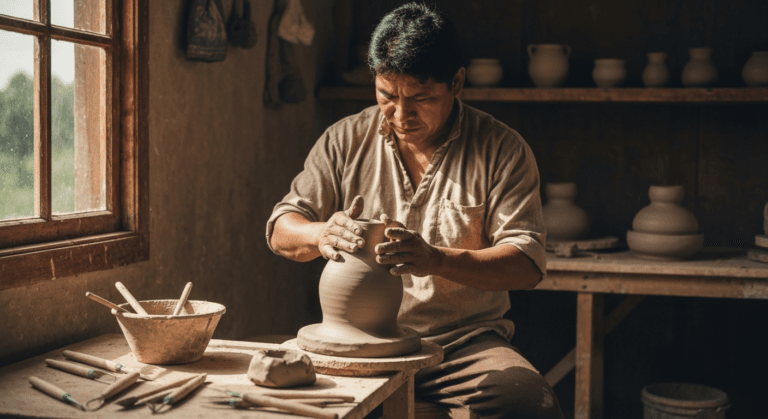


In Botswana’s evolving entrepreneurship landscape, one of the most powerful tools to fuel small and medium-sized business growth is funding from the Citizen Entrepreneurial Development Agency (CEDA). Whether you are looking to start a small tuckshop in Letlhakane or scale a manufacturing plant in Gaborone, CEDA loans in Botswana provide the financial backbone many local entrepreneurs need to succeed.
Understanding CEDA Loans in Botswana
CEDA continues to be a game-changing entity in Botswana’s development finance space. Unlike a traditional commercial bank, CEDA was created specifically by the government to foster local enterprise, create jobs, and diversify the economy away from diamonds.
CEDA’s Mission and Unique Position
CEDA exists to support 100% citizen-owned businesses through low-interest funding and mentorship. While a commercial bank focuses on collateral and high returns, CEDA prioritizes impact—specifically job creation, skills development, and import substitution (making things locally rather than buying from outside).
Why CEDA Loans are Popular with Local Entrepreneurs
Low interest rates (often significantly lower than market rates), long repayment periods, and the availability of grace periods make these loans highly attractive. Furthermore, CEDA offers a unique “mentorship and monitoring” program, which means they don’t just give you money and leave; they provide guidance to ensure your business survives the critical first few years.
The Reality Check: Responsibility of Funding
Funding is not a “handout.” It comes with high expectations. Applicants must show clear business viability, a personal contribution (equity), and strong accountability. According to local feedback, unrealistic financial projections and a lack of market research are the primary reasons for application rejections.
Types of CEDA Financing Products
CEDA delivers tailored financial products depending on your business size, sector, and strategic focus. Knowing which category you fall into is the first step toward a successful application.
1. Micro and Small Business Loans
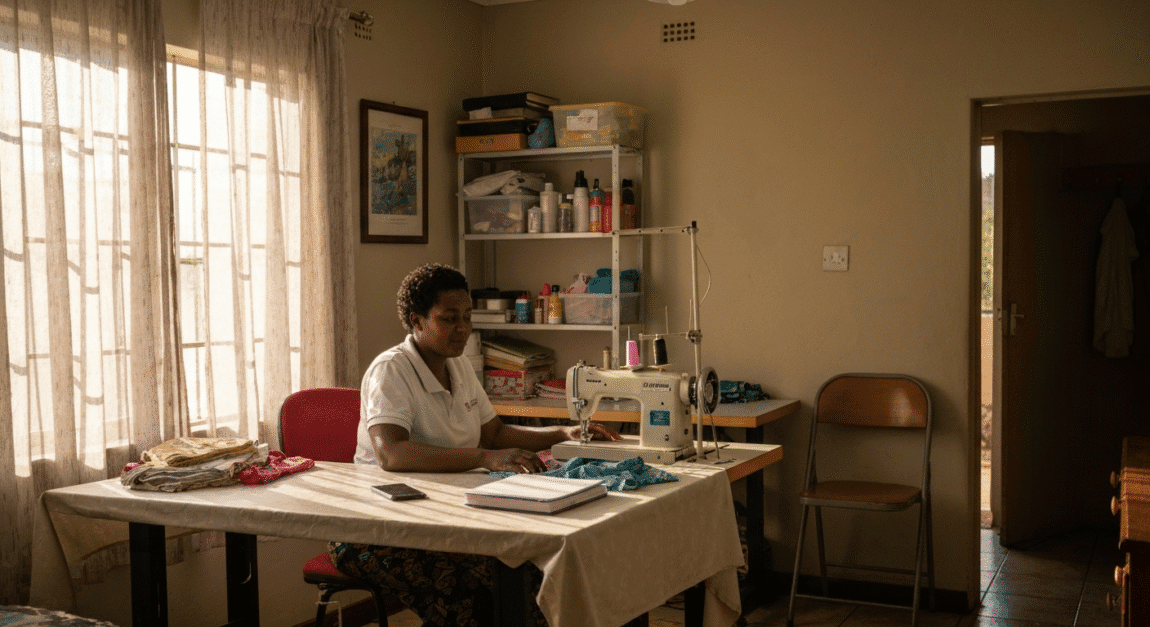
These loans cater to businesses requiring funding from P500 to P500,000. This is perfect for the “Motswana wa popota” looking to start or grow a small-scale operation.
- Target Businesses: Street vendors, hair salons, small-scale poultry, mobile mechanics, and home-based bakeries.
- Key Use: Buying equipment, initial stock (working capital), or renovating a small workspace.
2. Medium to Large Scale Project Financing
CEDA can finance up to P50 million for larger operations. These applications undergo much more rigorous scrutiny and usually require a comprehensive business plan.
- Qualified Industries: Manufacturing, construction, logistics, large-scale commercial farming, and tourism.
- Strategic Support: For projects that can significantly reduce imports (like local soap manufacturing), CEDA may offer even more favorable terms.
3. Specialized Funding: Youth and Agribusiness
CEDA has a strong focus on youth and women. While programs like the Youth Development Fund (YDF) are largely grant-based for very small projects, CEDA youth loans are for those ready to run a more formal, scalable business. Agriculture remains a top priority, especially projects involving innovative technology like hydroponics or commercial cattle breeding.
Who is Eligible for CEDA Loans?
Before you start your paperwork, ensure you meet the basic CEDA requirements for business loan eligibility:
- Citizenship: You must be a Botswana citizen aged 18 or older with a valid Omang.
- Ownership: The business must be 100% citizen-owned. If it is a joint venture with a foreigner, the citizen must hold the majority share (this is subject to specific CEDA guidelines for large projects).
- Registration: Your business must be registered with CIPA (via the OBRS system).
- Tax Compliance: You need a Tax Identification Number (TIN) from BURS and, in many cases, a Tax Clearance Certificate.
How to Apply for CEDA Funding: Step-by-Step
The application process has become more digital, but the core requirements remain focused on the viability of your idea.
Step 1: Preparation of the Business Proposal
You need a solid document that explains what you will sell, who will buy it, and how you will pay back the loan. Avoid buying “templated” plans where you just change the name; CEDA officers can spot these immediately. It is better to write a simple, honest plan yourself or work with a reputable consultant to develop accurate financial projections.

Step 2: Submission (Online or In-Person)
You can visit a CEDA branch (Gaborone, Francistown, Maun, etc.) for an advisory session or submit your application online. During this stage, you will be required to provide proof of your “owner’s contribution”—this could be cash in the bank, equipment you already own, or land you are using for the business.
Step 3: Evaluation and Site Visits
If your proposal passes the first check, a CEDA portfolio officer will visit your proposed business location. They want to see if the location is suitable and if you actually understand the ground reality of your industry.
Checklist: Required Documents for a CEDA Loan
Missing documents are the #1 cause of delays. Ensure you have the following:
- Certified copy of valid Omang.
- CIPA registration documents (Extract from the Online Business Registration System).
- Valid Trading License (or a letter of intent from the council).
- BURS Tax Clearance Certificate.
- Bank statements for the last 6 to 12 months (personal or business).
- Detailed Business Plan with 3-5 year financial projections.
- Quotations for equipment or stock from reputable suppliers (usually 3 per item).
- Title deeds or a lease agreement for your business premises.
Tips to Improve Your Chance of Approval
CEDA receives thousands of applications. To stand out, follow these practical tips:
- Show Your “Skin in the Game”: Don’t ask CEDA for 100% of the money. If you can contribute even 5-10% in cash or equipment, it shows you are serious.
- Focus on Employment: Explicitly state how many Batswana you plan to employ.
- Market Research: Don’t just say “people will buy.” Show proof—letters of intent from potential customers or a survey of your local area.
- Be Realistic with Costs: Research the actual cost of transport, rent, and electricity in your specific village or town.
CEDA vs. Other Business Loans in Botswana
While CEDA is often the first choice, it isn’t the only option. Many entrepreneurs compare CEDA with commercial business loans in Botswana from banks like FNBB, Stanbic, or ABSA.
| Feature | CEDA Loans | Commercial Bank Loans |
|---|---|---|
| Interest Rates | Generally lower (Developmental) | Higher (Market-linked) |
| Collateral Requirements | Flexible/Requirement can be lowered | Strict (Property, Cash, Assets) |
| Turnaround Time | 4 weeks to several months | Fast (if collateral is ready) |
If you are looking for alternatives to CEDA, you might also consider microfinance institutions for smaller, faster capital needs.
Conclusion
Accessing CEDA loans in Botswana is a powerful way to turn your entrepreneurial vision into reality. By preparing a solid business plan, ensuring your BURS and CIPA compliance is up to date, and demonstrating a commitment to job creation, you increase your chances of securing the funding you need.
Ready to get your business noticed? Add your business to the Lephutshi Directory to improve your local visibility. If you need help building a professional online presence to impress investors, check out Lephutshi Developers. For those looking to sharpen their skills before applying, explore Dithutong to learn new business tricks today.
Recommended Reading
- SONA Meeting Highlights: National Priorities for SME Support
- Comprehensive Guide to Business Funding in Botswana
- How to Write a Winning Business Plan for Funding
- Understanding Business Taxes in Botswana
FAQ on CEDA Loans in Botswana
1. How do I qualify for a CEDA loan?
You must be a Botswana citizen (18+), have a registered business with CIPA, and provide a viable business plan that shows the project can generate enough profit to repay the loan and create jobs.
2. Can I apply for CEDA without a business plan?
For very small micro-loans, the requirements are simplified, but for most standard CEDA business loans, a structured proposal or business plan is mandatory to prove the project’s viability.
3. How long does CEDA take to approve a loan?
While CEDA aims for efficiency, the process typically takes between 4 to 12 weeks. Large-scale projects involving millions of Pula may take longer due to intensive site visits and committee reviews.
4. Does CEDA offer grants?
CEDA primarily offers loans. However, some specific youth-targeted or high-impact agricultural schemes may include a “grant component” where a portion of the funding does not need to be repaid if certain conditions are met.
5. Can I use a CEDA loan to pay off other debts?
No. CEDA funding is strictly for business startup, expansion, or working capital. It cannot be used for debt refinancing or personal expenses.